
Madrid, a capital that cultivates the art of caring for the planet
The Spanish capital promotes a responsible tourism model that combines innovation, culture and environmental awareness
In Madrid, sustainability is not a trend: it is a way of experiencing the city. From historic parks to the energy that powers its transport, the Spanish capital is redefining the way we travel by combining art, gastronomy, culture and ecological awareness. Amidst pedestrian streets, neighborhood markets and hotels committed to the environment, Madrid demonstrates that enjoying a destination is not incompatible with caring for the planet. The city beats with the energy of those who believe tourism can generate well-being without leaving a footprint. With the Strategic Tourism Plan 2024–2027, the City Council has placed sustainability at the heart of its international promotion, committing to showcase lesser-known neighborhoods and authentic experiences that form the soul of Madrid. One of the pillars of this change is the innovative CO₂ Responsables Madrid program, which allows visitors and establishments to measure, reduce and offset their carbon emissions. Hotels, museums and restaurants have various tools to calculate their impact and obtain official environmental commitment certifications, while travelers can balance their footprint by supporting reforestation projects in Spain. This way, enjoying the city becomes an act of shared responsibility.

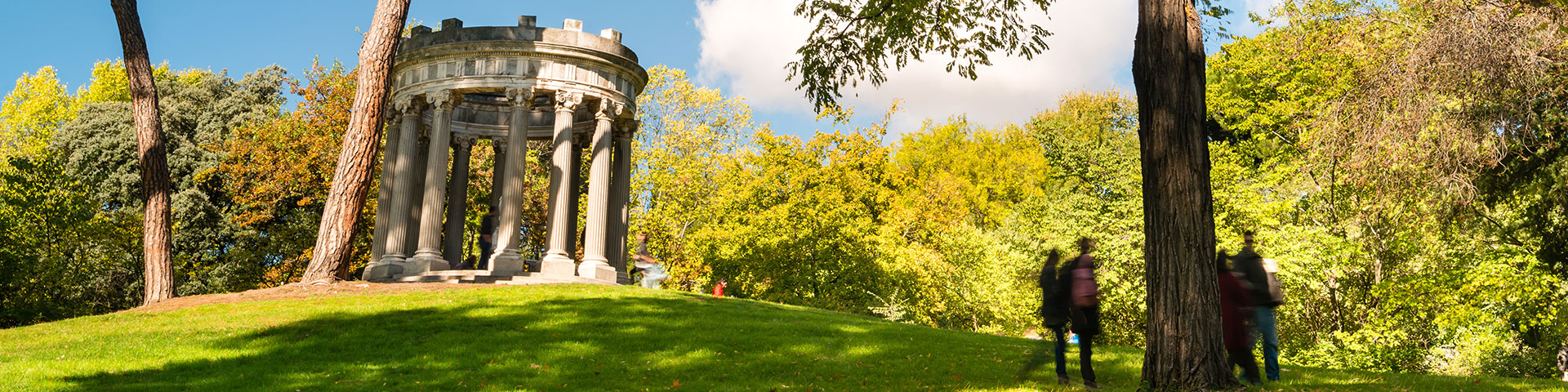
The sustainable drive also extends to the realm of events and congresses. With the PLUS Legacy with US platform, the Madrid Convention Bureau advises organizers to ensure their meetings are more environmentally respectful: promoting more local products, less paper and efficient management that leaves a positive footprint. Madrid invites you to explore its pedestrian squares – from Puerta del Sol to Plaza de España – or to lose yourself in the shade of El Capricho, amid clean transportation and a world-class metro system. Sustainability can also be tasted: restaurants like Coque, DSTAgE and El Invernadero, awarded the Michelin Green Star, reflect the combination of creativity and respect for the environment. The capital also holds the EU Mission Label for its progress towards climate neutrality before 2030 and has been recognized for the 6th consecutive year as a Tree City by the FAO. It is no coincidence: 27% of its surface area is covered by trees, and the ambitious Metropolitan Forest project is progressing to create a green belt that surrounds the entire city. Madrid does not just promote sustainable tourism: it transforms it into an experience. A city that breathes green, beats with purpose and looks to the future with the conviction that every journey can change the world.
Location
Madrid is located in the center of Spain, within the Community of Madrid. The main access points are Adolfo Suárez Madrid–Barajas Airport, as well as the Chamartín and Atocha train stations, connected by high-speed rail. The city is linked to radial highways A–1 through A–6 and connected by train to ports such as Valencia and Barcelona.