
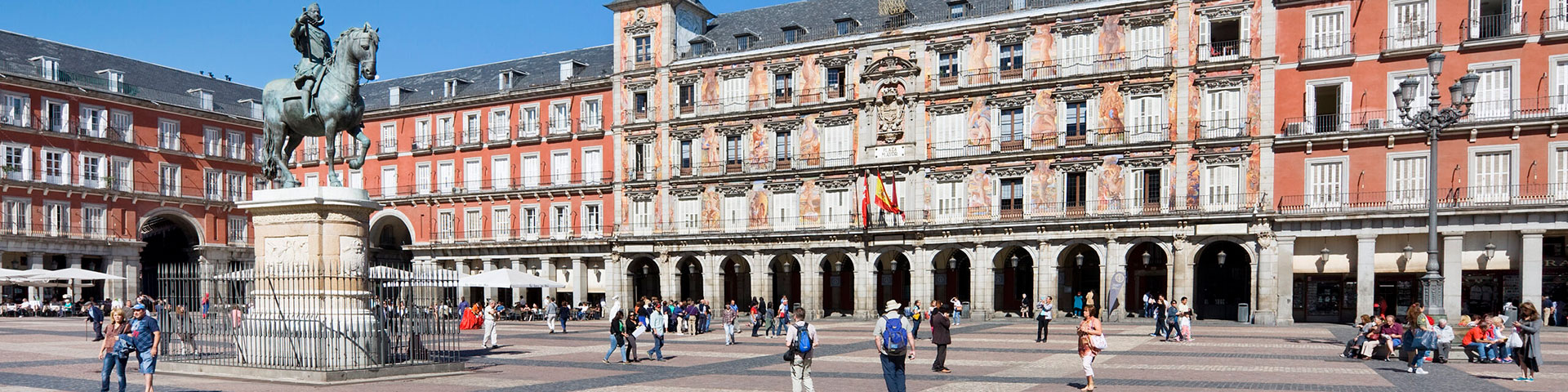
Madrid is positioned as a strategic hub for global tourism
The WTTC headquarters consolidates the capital of Spain as a meeting point for the tourism ecosystem
Madrid is taking a decisive step forward in its international positioning by becoming the headquarters of the World Travel & Tourism Council (WTTC), the leading organization representing the global private tourism sector. The arrival of this institution reinforces the capital’s role as a hub for decision-making, knowledge, and coordination in international tourism, integrating connectivity, talent, and an ecosystem of governance and sectorial collaboration. The appointment of Madrid as the headquarters of the WTTC positions the city at a new place on the global tourism map, as a strategic platform from which visions, agendas, and projects with international impact are defined. This step strengthens its role as a tourism governance center, established since 1975 with the headquarters of UN Tourism, and affirms the capital as a key setting for decision-making, investment, and public-private cooperation. Madrid combines a exceptional location between Europe, America, and various international markets, with infrastructure ready to host global organizations, professional events, and highly qualified talent. This combination has favored the creation of a solid tourism ecosystem, where large corporate groups, international organizations, and an extensive network of specialized services coexist. The presence of the WTTC reinforces this ecosystem and provides greater strategic density to the city. Madrid is no longer merely a relevant destination/market and has now become a space where models are designed, data is shared, initiatives are promoted, and synergies are generated among the different links in the tourism value chain.
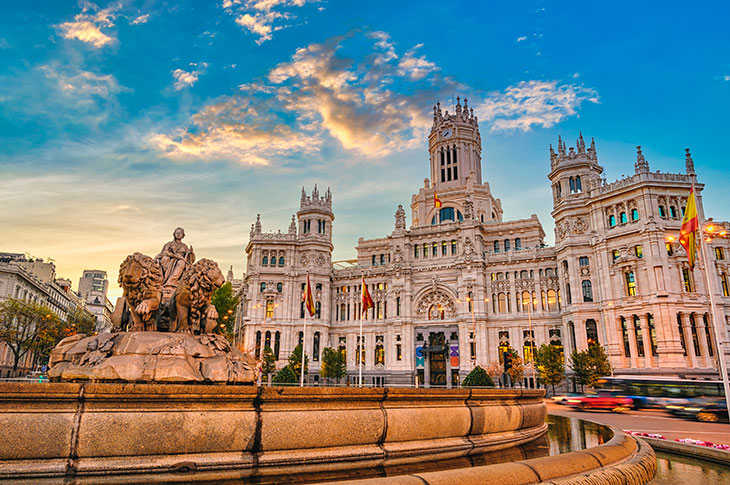
From a business perspective, the city offers competitive operational conditions, high international air connectivity, and a favorable setting to attract and retain global talent. These factors are key for organizations seeking efficiency, agility, and truly international reach within a constantly transforming sector. At the same time, Madrid is strengthening its appeal as a destination for meetings, congresses, and meetings for high-level professionals. The coexistence of leading institutions, corporate activity, and a diverse urban offer facilitates business travel being integrated with cultural, gastronomic, and networking experiences, providing added value to each trip. With the arrival of the WTTC, the capital has consolidated its role as a convergence point between the strategic and operational vision of tourism. A city that not only hosts companies and various organizations but positions itself as a conducive setting where the sector finds stability, innovation capacity, and a global perspective aligned with the current challenges of the travel industry. Location Madrid is located at the center of the Iberian Peninsula and is the capital of Spain. It is connected by a radial network of highways (from the A–1 to the A–6). It has the Adolfo Suárez Madrid–Barajas airport and high-speed train stations at Atocha and Chamartín. It does not have a port; the closest are Valencia and Barcelona.