
León: nature and culture in a destination that has it all
A region that brings together protected landscapes, ancient history, and wine and gastronomic experiences
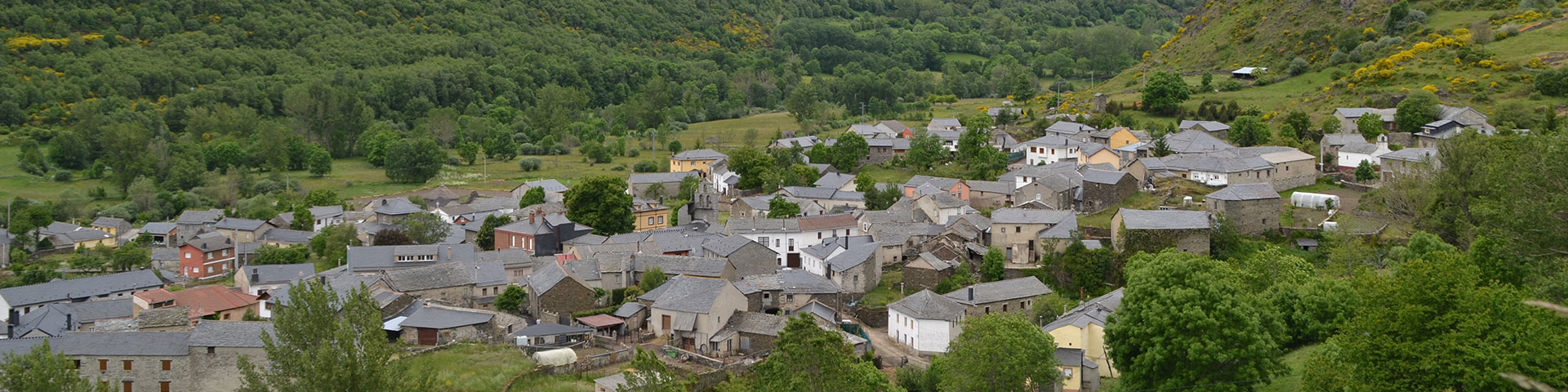
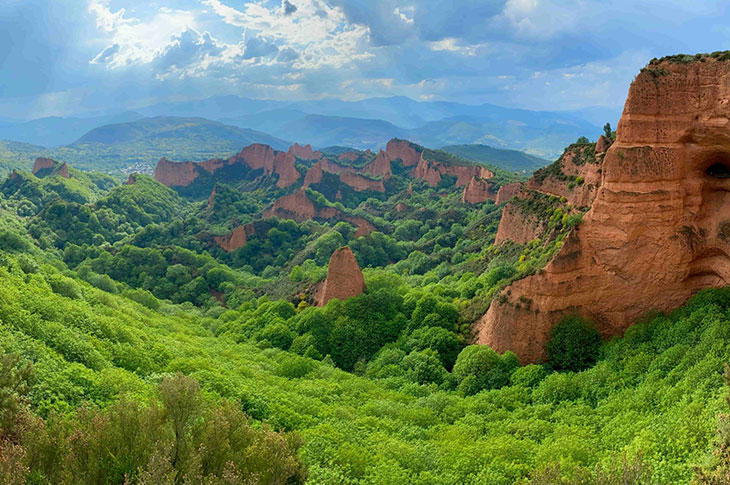
León has shown remarkable resilience following the wildfires that impacted parts of the region this summer, preserving most of its biodiversity and retaining its firm appeal as a tourist destination. With seven Biosphere Reserves, unique sites like the Picos de Europa and Las Médulas, and a capital city that blends a wealth of historical heritage with a renowned wine and gastronomic tradition, León is more vibrant than ever, establishing itself as one of the safest and most well-equipped destinations for visitors all year round. Nature in Its purest form León stands out as one of Spain’s richest regions when it comes to protected natural areas, boasting seven Biosphere Reserves that stretch from the Omaña and Luna Valleys all the way to Los Ancares Leoneses. These regions offer an extensive and diverse network of hiking trails, opportunities for wildlife and plant observation, and a variety of active-tourism activities such as canyoning and horseback riding. The Picos de Europa National Park serves up the iconic sight of its soaring peaks, while the Montaña de Riaño y Mampodre Regional Park impresses with its natural viewpoints that reveal the vast expanse of the surrounding landscape. Las Médulas, a UNESCO World Heritage Site, stands out as a unique and exceptional testament to Roman mining engineering. Its trails, lined with centuries-old chestnut trees, together with viewpoints such as that of Orellán, offer a harmonious blend of cultural and natural experiences in a single setting. Meanwhile, areas such as La Cabrera and El Bierzo round out this provincial landscape, with opportunities for active tourism and the chance to explore villages with rich local character.
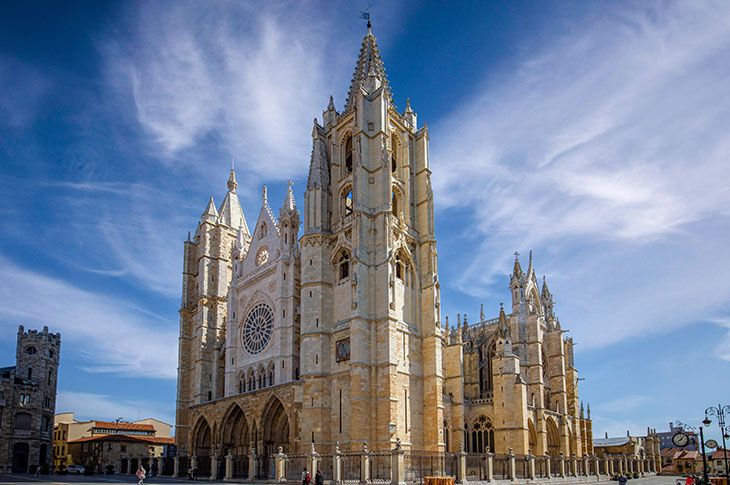
Heritage and history Beyond its natural wealth, this province boasts a significant collection of monuments. The capital is home to icons such as its Gothic Cathedral, famous for its medieval stained glass, and the San Isidoro Basilica, considered a real gem of European Romanesque architecture. Other must-visits include the Parador de San Marcos, a Renaissance landmark, and the Casa Botines, designed by Antoni Gaudí. Within the province, towns like Astorga, featuring its Episcopal Palace—also designed by Gaudí—and Ponferrada, with its Templar castle, offer insight into the region’s rich historical and cultural heritage. What’s more, León lies along the Way of Saint James, ensuring a steady provision of tourist services and a global connection with pilgrims from around the world.
Gastronomy and wine tourism León’s wine and gastronomic heritage forms another cornerstone of its tourist appeal. Delicious dishes such as Bierzo botillo, cured meat, cold cuts, and cheeses are perfectly paired with locally certified wines. Here, visitors can indulge in tapas bars in the capital, especially in the Barrio Húmedo, as well as exploring wineries thanks to immersive wine-tourism experiences in rural settings. The province invites visitors to enjoy an extended stay in which every traveler will find activities tailored to their interests—from outdoor adventures to cultural and culinary tourism—cementing León’s reputation as a destination prepared to welcome and delight all who visit. Location The province of León is situated in the northwest of Spain, within the Castile and León region. It shares borders with Asturias, Ourense, Zamora, Valladolid, Lugo, and Palencia. Connected by the A-6 and AP-66 motorways, León is served by an airport and a high-speed train (AVE) station in its capital city.