
Monastery route through La Rioja: treasures of stone and spirit
History, art and mysticism woven into a journey through the region’s monastic treasures
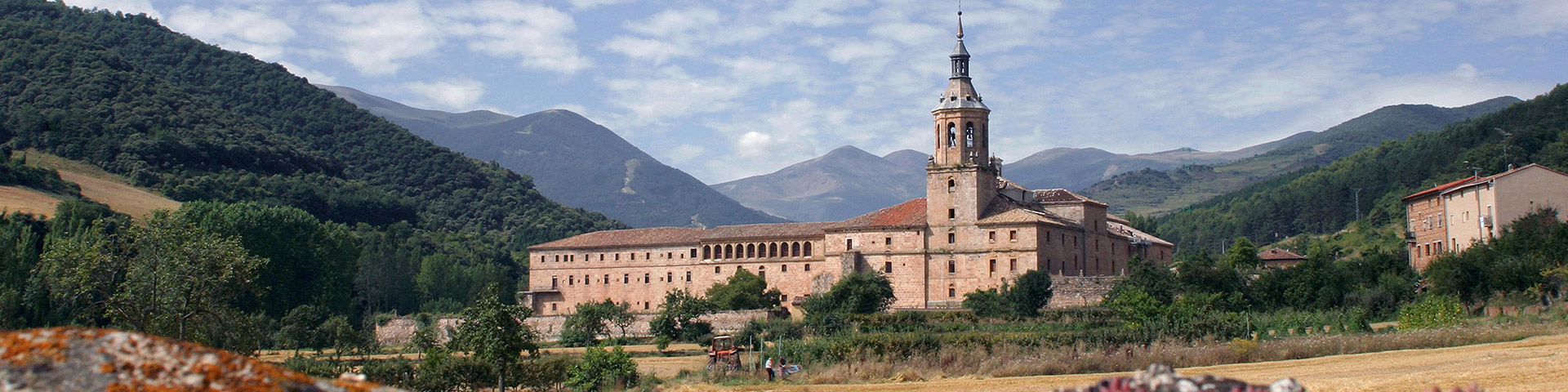
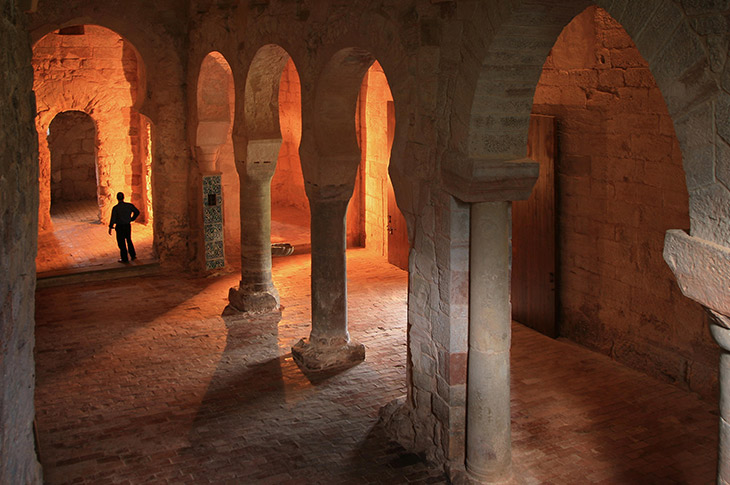
Across the valleys and hills of La Rioja, a heritage endures that is not just seen but deeply felt. These monasteries, that developed from the retreats of early hermits and the cultural pulse of the Middle Ages, now stand as timeless guardians of history, art and language. Exploring them invites you on an inward journey through the history of a region where the earliest Castilian words were spoken and where spirituality continues to flow amid alabaster, silence and devotion. Travelling through monastic La Rioja is like exploring a map of spirituality and beauty, where history is felt in every stone. These sacred sites, founded centuries ago by kings, bishops, or faith communities, served as beacons of culture and hospitality, sanctuaries of knowledge and spirit that still welcome visitors with timeless serenity. The journey begins in San Millán de la Cogolla, the birthplace of both the Spanish language and monastic tradition in La Rioja. Carved into the rock at the Monastery of Suso, you can still sense the presence of the earliest hermits and the tranquil space where the renowned Glosas Emilianenses, the seeds of the Spanish language, were written. At the foot of the mountain, the Monastery of Yuso reveals its Baroque grandeur and magnificent library, a testament to centuries of flourishing wisdom. Both monasteries, declared World Heritage Sites, serve as the starting point for any spiritual journey through the region.
From there, the route ventures into the Nájera region, where Santa María la Real and Santa Elena preserve echoes of Navarrese royalty and the gentle spirit of Franciscan seclusion. Their cloisters, altarpieces and royal pantheons form a stone narrative of the Middle Ages, a chronicle of faith and power. Nearby, the Monastery of Cañas dazzles with its alabaster glow, a symbol of the Cistercian spirit that elevates simplicity into art. The journey culminates amid mountains and forests in Valvanera, the spiritual heart of La Rioja and sanctuary of its patron saint. Its name, “Valley of the Veins of Water”, captures the harmony between nature and devotion that defines this renowned place of pilgrimage. Also, La Piedad in Casalarreina, a jewel of the Catholic Monarchs and Vico in Arnedo round off a route where every stone seems to be blessed by history. Today, these monasteries remain vibrant sanctuaries: havens for the soul, guardians of art and authentic destinations for those seeking more than just somewhere to visit. They offer going back to what really matters, to tranquility and origins, where time stands still and La Rioja reveals its most intimate and eternal side. Location La Rioja is situated in northern Spain, bordered by the Basque Country, Navarre, Aragón and Castile and León. Its capital, Logroño, is linked by the AP-68 and the N-232. The region has its own airport (Logroño-Agoncillo) and rail connections to the national network. The airports of Bilbao, Zaragoza and Vitoria make it even easier to reah.