
Guadalupe strengthens its historic pilgrimage routes in partnership with the Paradores network
Sixteen itineraries link heritage, landscapes and hospitality centered around the sanctuary
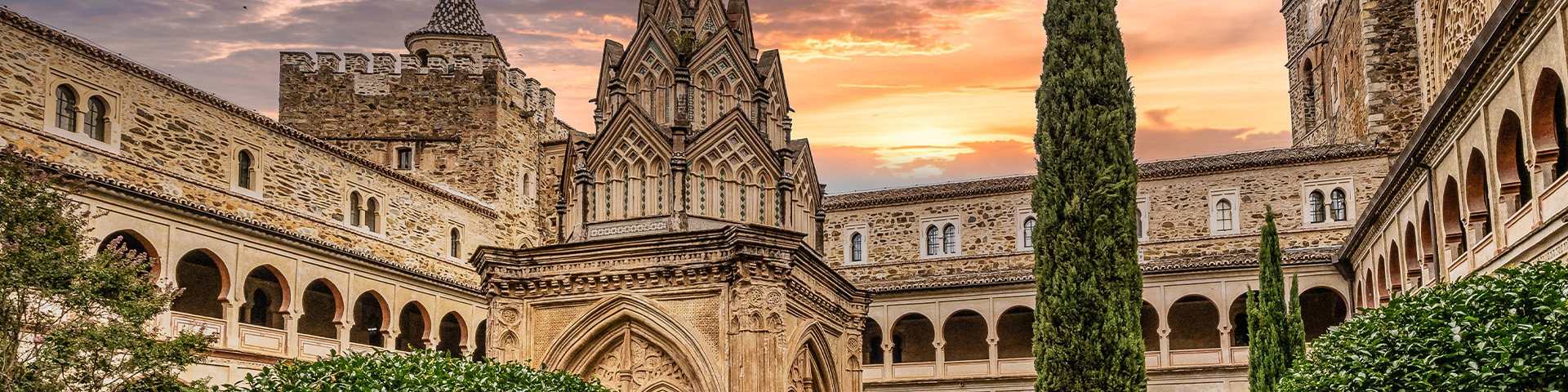
Sixteen historic routes lead to the Royal Monastery of Santa María de Guadalupe, traversing landscapes, towns and cities linked by centuries of pilgrimage. This network of itineraries finds the perfect complement in the Paradores located along the way, offering an extended experience that blends spirituality, heritage and hospitality within historic buildings rich in meaning, as part of the Guadalupe Jubilee Year celebration running from August 30, 2026, to September 8, 2027. Arriving in Guadalupe is not simply about reaching a destination. The journey unfolds step by step, along paths crossing diverse terrains, stopping points and landscapes that invite you to embrace a slower, more reflective pace. Spirituality intertwines with history, gastronomy and nature on a journey designed to explore Spain’s heartland with a patient, attentive eye to the unique nuances of each stage. The Historical Pilgrimage Routes to Guadalupe consist of sixteen itineraries converging on Puebla de Guadalupe from various points across Extremadura, Castilla-La Mancha, Andalusia, Castile and León and the Community of Madrid. Rather than a single path, they form an open, adaptable network of possibilities suited to different travel styles and ways of experiencing the region.
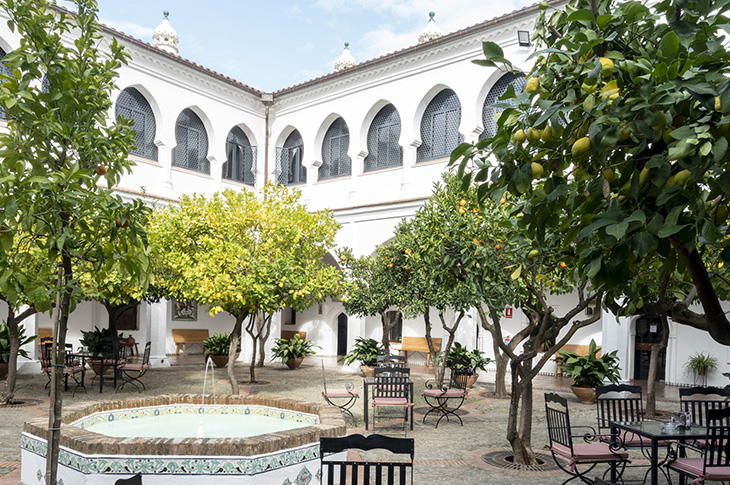
Each route tells its own unique story. Some stages are defined by quiet reflection, others are shaped by breathtaking landscapes, while many routes showcase heritage seamlessly woven into the everyday life of towns and cities. This diversity allows the pilgrimage to be experienced as a rich cultural and historical journey, appealing both to those motivated by faith and to those seeking to explore the destination from a deeper perspective. The Network of Historic Pilgrimage Routes to Guadalupe is dedicated to the restoration, identification, and waymarking of these paths, reviving routes that for centuries served as places of gathering, passage and hospitality. Their enhancement opens up new opportunities to explore Spain’s interior regions and to connect sites united by a shared pilgrimage tradition. Along the route, the Paradores of Cáceres, Trujillo, Plasencia, Mérida, Guadalupe, Oropesa and Toledo offer the chance to combine the journey with overnight stays in historic buildings. On top of these, and close to these routes, is the Parador de Jarandilla de la Vera. In the future, Segovia, Córdoba and Zafra may also be included, extending the journey to other destinations that are rich in heritage and hospitality. The final destination is epitomized by the iconic Royal Monastery of Santa María de Guadalupe. Founded in 1337 and architecturally shaped over several centuries, it was designated a UNESCO World Heritage Site in 1993. Its imposing presence dominates visitors’ arrival in the town, adding a profound spiritual, artistic and historical dimension to the journey. Surrounding the monastery, Guadalupe offers a setting where cultural, natural and gastronomic treasures enrich the traveler’s experience after reaching their destination. Their arrival invites reflection, exploration of the town and an understanding of why this site has become one of the foremost pilgrimage centers on the Iberian Peninsula. The Parador de Guadalupe holds a special place in that enduring tradition of hospitality. Housed in a former pilgrims’ hospital, it preserves the timeless connection between rest and the journey. The establishment will undergo a series of upgrades focused on enhancing energy efficiency, accessibility and the guest experience, reinforcing its status as a key cultural and tourism landmark in the region. The Guadalupan Jubilee Year will bring these routes to a truly momentous occasion. The Pilgrim’s Credential to Guadalupe, introduced in 2021, serves to certify journeys completed on foot, by bicycle or on horseback, becoming a personal keepsake of an experience that begins long before the monastery’s towers come into view.
Location
Guadalupe is situated in the southeast of the province of Cáceres, Extremadura, within the Villuercas-Ibores-Jara region. The main road access points are the EX–118 from Navalmoral de la Mata, and the A–5 and EX–102 from Trujillo and Miajadas. The nearest railway station is in Navalmoral, while the closest airports are Badajoz and Adolfo Suárez Madrid–Barajas.