
In Dalí’s Footsteps: a journey to uncover the heart of surrealism
Routes to explore museums, homes and landscapes that shaped the life and work of the Catalan artist
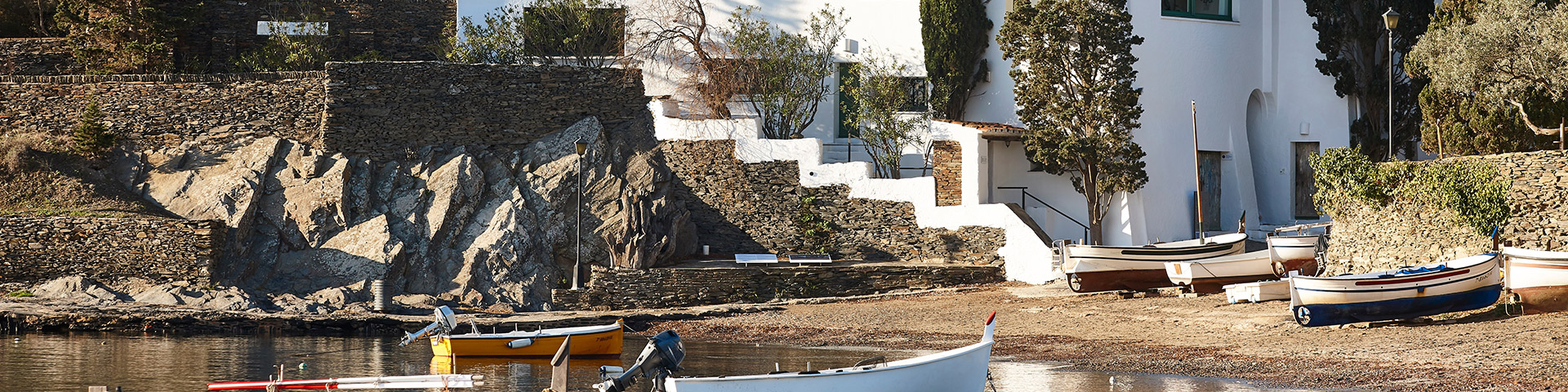
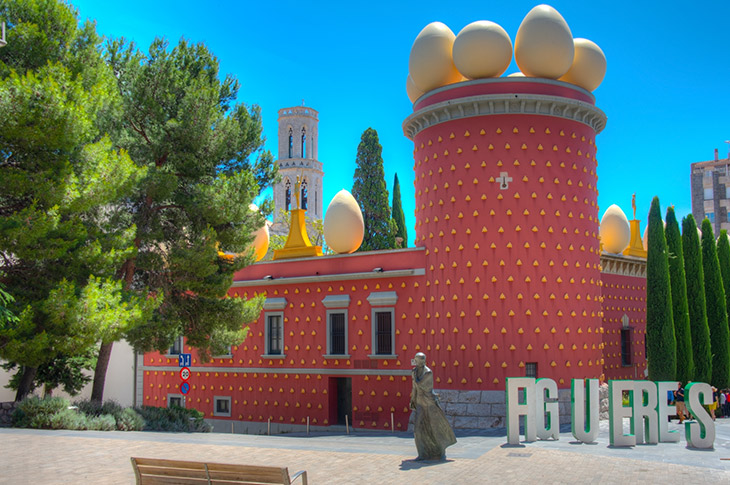
Tracing the footsteps of the artist Salvador Dalí through the Empordà region (Catalonia) invites you into a world where art, biography and landscape merge in a unique way. Two compelling tourist experiences, the Dalí Route in Figueres, and the Dalínian Triangle, linking Figueres, Portlligat and Púbol, offer travellers the chance to get an insight into Dalí’s vast legacy by exploring the places of his childhood, daily life and the creative spaces that shaped his extraordinary career. Visitors arriving in Figueres have the unique opportunity to embark on a captivating journey: the Dalí Route, an urban trail that takes in the most intimate aspects of the artist’s connection to his hometown. From the house where he was born on Monturiol Street to the family residence along the same road, the route is a stroll steeped in memory and rich in biographical insights. The route also includes a stop at the Toy Museum of Catalonia, preserving memories from his childhood and on La Rambla, the social heart of Figueres where Dalí spent many hours engaged in lively conversation and debate. The itinerary also takes in the Museum of the Empordà and the church of Sant Pere, where the artist was baptised and where his funeral took place. Together, these locations create a cultural getaway that blend history and personal stories, culminating at the Dalí Theatre-Museum, envisioned by the artist himself atop the ruins of the old municipal theatre. Here, visitors can admire a monumental masterpiece exhibiting works from all phases of his career alongside installations that reveal the surrealist genius in all its splendour. The experience also goes further with the Dalínian Triangle, an approximately 80-kilometre driving route linking three key places that were central to Dalí’s world. The first stop is the Dalí Theatre-Museum in Figueres, the heart of his artistic legacy. The second is in Portlligat, a small fishing village near Cadaqués, where Dalí made his home in a labyrinthine house built from old fishermen’s huts. Visitors can explore the studio, private rooms and garden, all preserved with the authentic vibe of the time when the artist worked here.
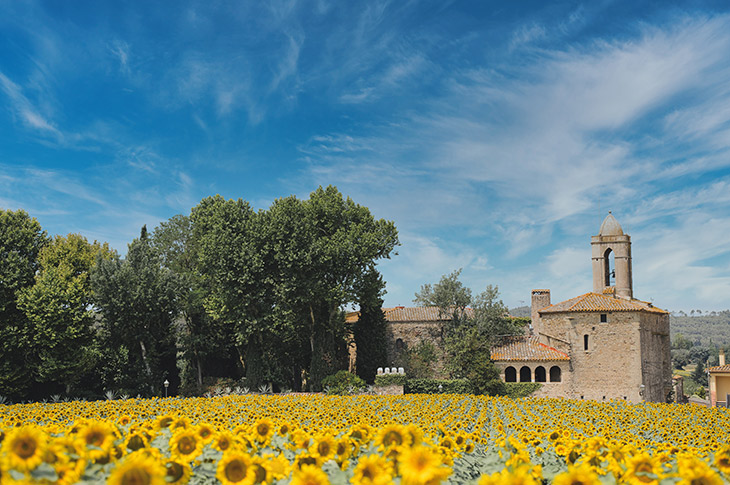
The triangle is rounded off by the Gala Dalí Castle in Púbol, purchased by Salvador in 1969 and gifted to his muse. In this medieval building, renovated by Dalí himself, visitors can marvel at Gala’s haute couture dresses, a magnificent Cadillac once owned by the couple and the crypt where the painter’s lifelong companion was laid to rest. It was also Dalí's final workshop from 1982 to 1984. These two itineraries complement each other, offering travellers an experience that goes far beyond conventional tourism: a journey through Dalí’s life and creative backdrops, an immersion in the powerful Empordà landscape and an insight into the profound connection between the region and this artistic genius. An invitation to discover the very essence of Salvador Dalí through his life and works.
Location The Costa Brava is situated in northeastern Catalonia, within the province of Girona, stretching between Blanes and the France–Spain border. It can be reached via the AP-7 motorway and N-II road, with train stations in Girona and Figueres, airports at Girona-Costa Brava and Barcelona-El Prat, and ports in Palamós, Roses and Llançà.