
Rediscover Madrid through its factories, dams and train stations
A journey into the heart of industrial tourism, unveiling the innovation and ingenuity that helped shaped the region
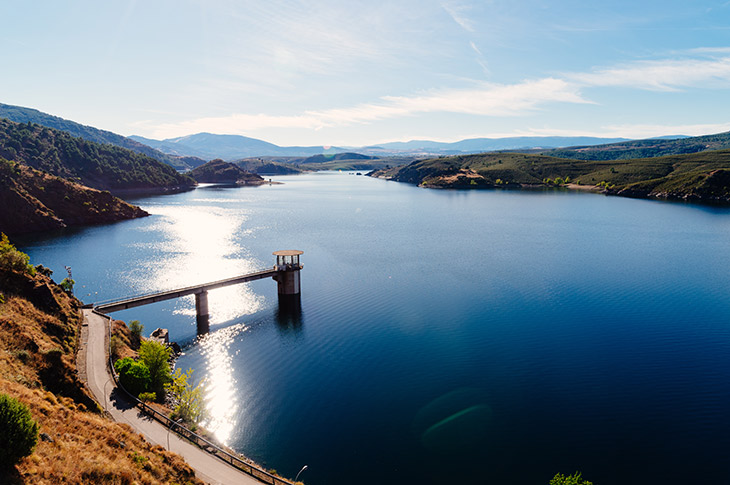
Beyond its palaces and museums, the Community of Madrid invites you to go off the beaten track: its industrial heritage, a treasure that unveils how innovation, architecture and engineering have shaped the region’s growth. Repurposed historic factories, monumental dams, railway stations, old mines and telecommunications sites are part of a legacy that blends technology, history and culture, offering visitors an enthralling and insightful experience. Industrial tourism in the capital opens the door to a different kind of history: one of human determination to harness nature, innovate and transform everyday life through industry. This alternative route reveals not only the architectural grandeur of palaces and churches but also the infrastructures that underpinned the growth of the capital and its surrounding area. Dams stand out as one of the most fascinating chapters within this heritage. From the Oliva Pontoon and the Villar Dam, true trailblazers in hydraulic engineering, to the awe-inspiring El Atazar Dam; a symbol of modernity and one of the country’s most distinctive retaining walls, each structure embodies centuries of ingenuity and meticulous planning. Also included are unfinished projects such as the El Gasco Dam, which serve as reminders of the grand ambitions of bygone eras.
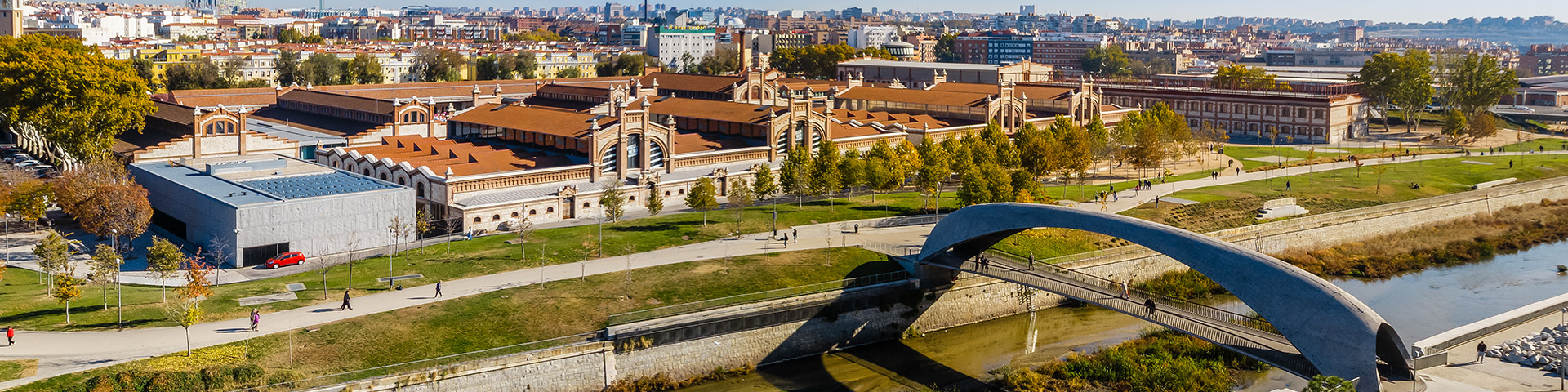
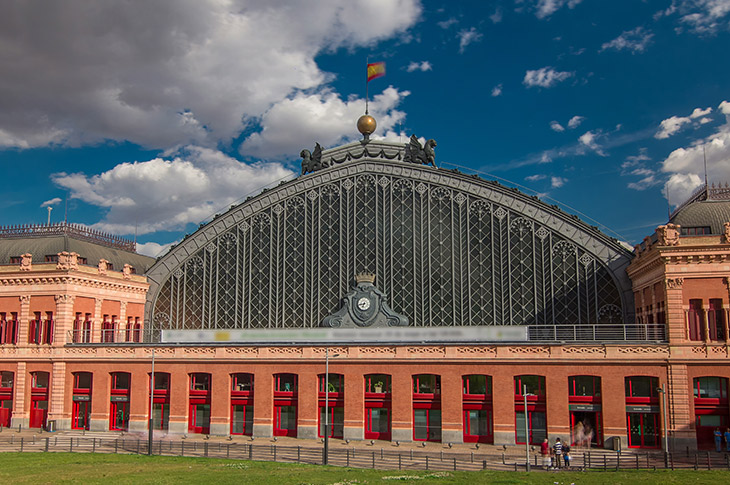
Traditional crafts have also left a lasting legacy. In Nuevo Baztán, the pre-industrial vision of Juan de Goyeneche can still be felt; during the 18th century, he built a unique industrial complex unlike any other in Spain. The mills in Morata de Tajuña and the pottery kilns in Colmenar de Oreja stand as living testaments to essential activities that sustained local communities. The 19th century and early 20th century transformed Madrid into a bustling hub of factories and workshops. The Royal Tapestry Factory, the former Valdemorillo glass factory and the San Miguel Market are prime examples where handcrafted produce and industrial architecture blend seamlessly. Today, many of these sites have been revitalised for cultural use, such as Matadero Madrid, now a cutting-edge cultural centre and the El Águila factory, which houses Madrid’s Regional Archive and Library. Transportation forms another key pillar of this journey. The Atocha Station, the Madrid Railway Museum, housed in the historic Delicias Station and the Strawberry Train, linking Madrid to Aranjuez, offer a glimpse into the early days of modern travel. Aviation also holds a place at the Aeronautics and Astronautics Museum, as well as the historic Cuatro Vientos and Getafe aerodromes, which are benchmarks in the history of Spanish aviation.
Electricity, telecommunications and mining round off this itinerary, with spots such as the Nave de Motores de Pacífico, the Telefónica Foundation Space and the Fresnedillas Lunar Museum, all of which highlight the region’s connections to global milestones, from public lighting to lunar missions. Location:The Community of Madrid is situated in the geographic heart of Spain. It can be reached by an extensive network of radial motorways, the Adolfo Suárez Madrid-Barajas Airport and the Chamartín-Clara Campoamor high-speed train station, connecting it with major cities across Spain and Europe alike.