
Travel across Spain following in the footsteps of Ignatius of Loyola
Ignatian Way, a historic itinerary crossing five regions and offering a transformative experience
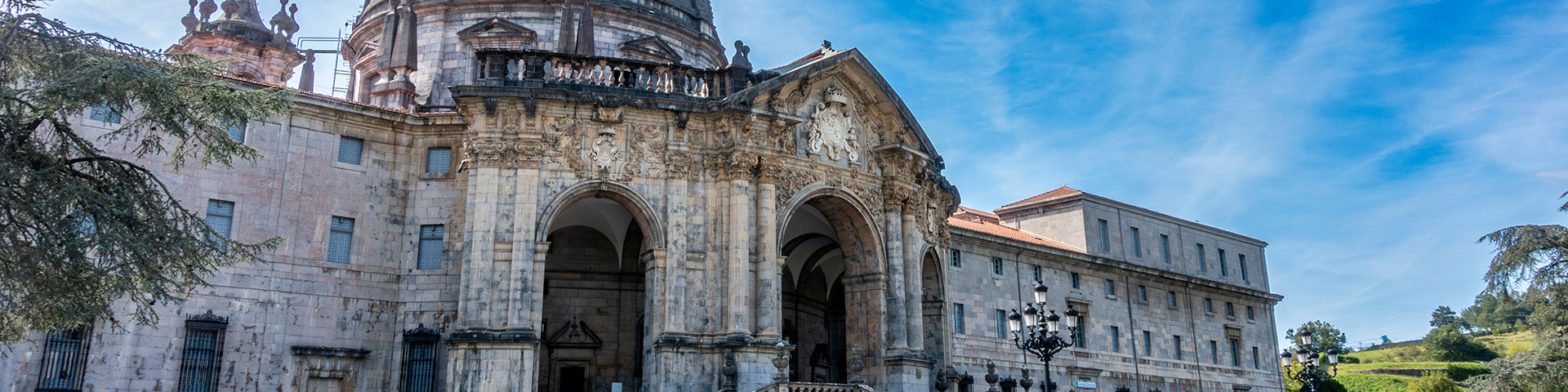
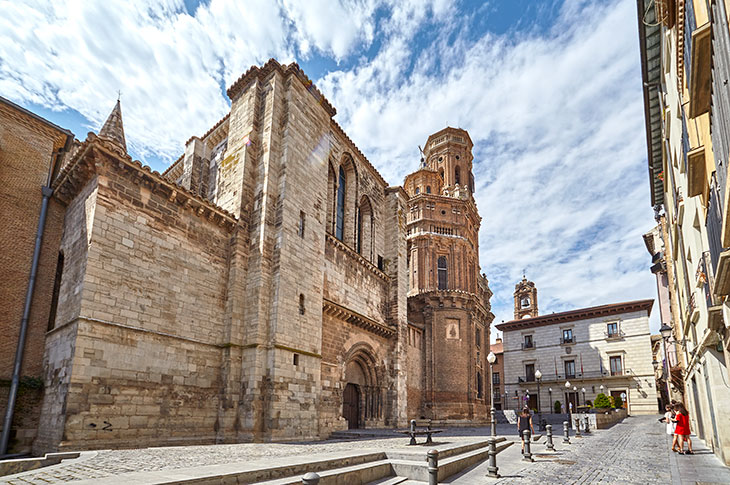
The Ignatian Way is a cultural and spiritual route covering nearly 700 kilometers from Loyola (Basque Country) to Manresa (Catalonia), following the itinerary that Ignatius of Loyola undertook in 1522. Divided into 27 stages and spanning five autonomous communities, it offers the traveler a transformative experience combining diverse landscapes, historical heritage, local traditions, and a pace of travel that invites reflection. The journey begins at the Sanctuary of Loyola, in Azpeitia, the birthplace of Ignatius of Loyola. From there, the route ventures into the heart of the Basque Country, passing through towns such as Zumarraga and discovering places of profound symbolic significance like the Arantzazu Sanctuary, in the surroundings of Oñati. This first segment, which crosses Gipuzkoa and Álava, is the most mountainous and demanding of the route, passing through rural counties such as Urola Garaia, Debagoiena and the Alavese Plains, featuring green landscapes, Romanesque chapels, and small villages that maintain a strong local identity. After passing through Genevilla and Laguardia, the Ignatian Way enters La Rioja, where the landscape opens and vineyards mark the horizon. Towns such as Navarrete, Logroño, Alcanadre, Calahorra and Alfaro line a section deeply connected to history, with cathedrals, traditional markets, and a cuisine based on wine and produce from orchards. Navarre brings a strong historical connection to Ignacio de Loyola to the path. From Tudela, in Navarre, the route follows the course of the Ebro River, with stops at its cathedral and vibrant urban spaces, before heading towards Gallur, in Aragon. The Navarrese landscape combines orchards, riverbanks, and wide horizons, reflecting its natural diversity.
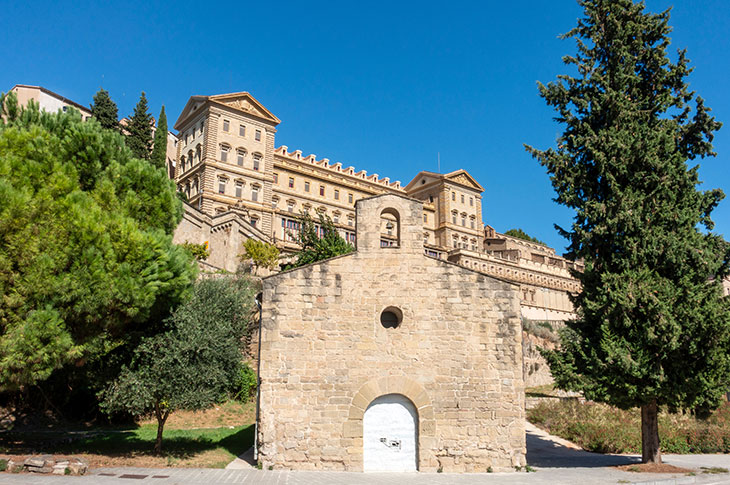
The Aragonese section is one of the longest on the route. From Gallur and Alagón, this path reaches Zaragoza, where the Basilica of Our Lady of the Pillar, the Seo Cathedral and the Aljafería Palace stand out. From there, the route ventures into towns like Fuentes de Ebro, Pina de Ebro, Bujaraloz, Candasnos and Fraga, crossing the semi-desert landscape of Los Monegros, a setting that accentuates the introspective dimension of the journey. The final stages run through Catalonia, crossing towns such as Lleida, Verdú, El Palau d’Anglesola, Cervera and Igualada. The passage through Montserrat, with its monastery and natural massif, marks one of the most iconic moments of the journey. The path culminates in Manresa, at the Cova de Sant Ignasi, where travelers conclude their journey.
The Ignatian Way is a unique tourist proposal that allows you to discover Spain from a profound perspective, connecting territories, cultures, and landscapes on foot.