
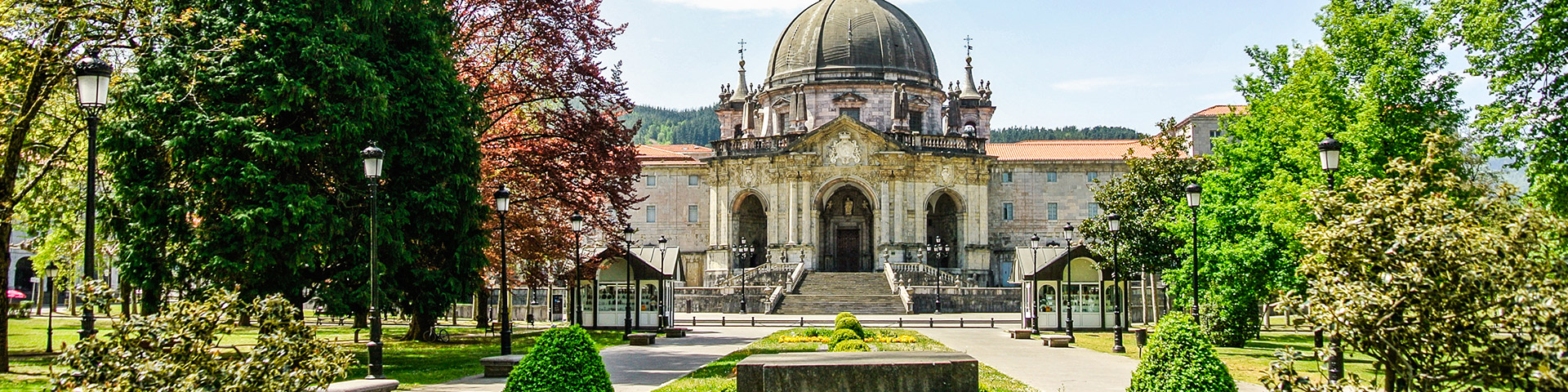
A one-of-a-kind journey through Catalonia: emotion and spirituality along the Ignatian Way
From Lleida to Montserrat: an inspiring experience of faith, nature and culture
The Ignatian Way is much more than a pilgrimage route; it is a journey to the very roots of modern spirituality. Spanning nearly 700 kilometres, this route crosses the Basque Country, Navarre, La Rioja, Aragon and Catalonia, retracing the path taken by Saint Ignatius of Loyola in 1522. In Catalonia, its final 183 kilometres unfold as a journey of introspection, awe-inspiring landscapes and profound discovery. This route is more than just a physical route; it is a deeply transformative life experience. Inspired by Saint Ignatius’s pilgrimage from his birthplace in Azpeitia (Guipuzkoa) to the Cave of Saint Ignatius in Manresa, the route crosses five autonomous communities, weaving together diverse landscapes, cultures and ways of life. The route is split into 27 stages, linking the lush, green Atlantic north with the Mediterranean interior, tracing the footsteps of someone who walked in search of meaning.
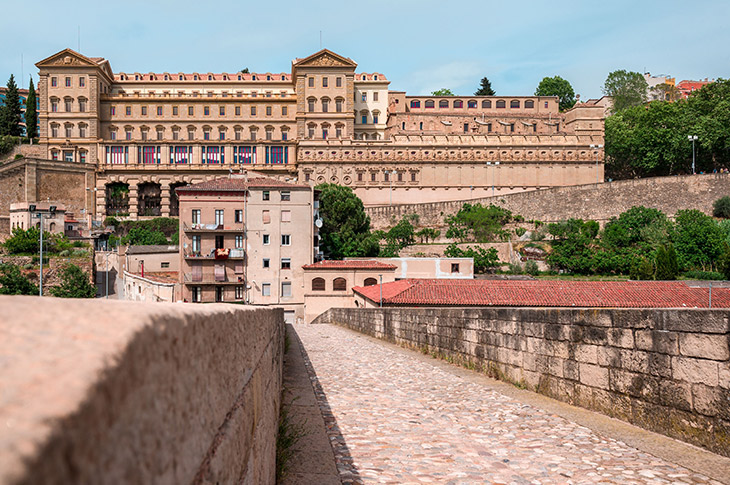
It makes its way into Catalonia just 9 km from Fraga, continuing along the ancient royal road of Aragon, an heir to the Roman Via Augusta. From there, pilgrims enter a realm of fertile silence, where the fields call for quiet reflection and contemplation. Alcarràs, with its centuries-old holm oak, marks the gateway to a route blending spirituality and landscape. In Lleida, capital of Segrià, stone and history rise in the Seu Vella, the ancient Romanesque-Gothic cathedral that dominates the city from above. The Pont Vell leads the pilgrim toward the agricultural horizons of the Pla d’Urgell and la Segarra, where the path winds through orchards, olive groves and the historic Urgell Canal. Each village tells a story intertwined with faith. Verdú, birthplace of Jesuit Saint Pere Claver; Tàrrega, with its palace of the Marquises of la Floresta; and Cervera, home to a magnificent 18th-century university, form a monumental corridor uniting devotion and heritage. Further along, dry stone walls lead to Igualada, where the Leather Museumpays homage to the industrial and creative vitality of inland Catalonia. The journey culminates at the sacred mountain of Montserrat. Its stunning shape against the sky guides pilgrims to the monastery and, ultimately, to Manresa. At the Cave of Saint Ignatius, beside the Cardener River, the saint had a revelation that transformed his life and inspired the Spiritual Exercises, the heart of Ignatian spirituality.
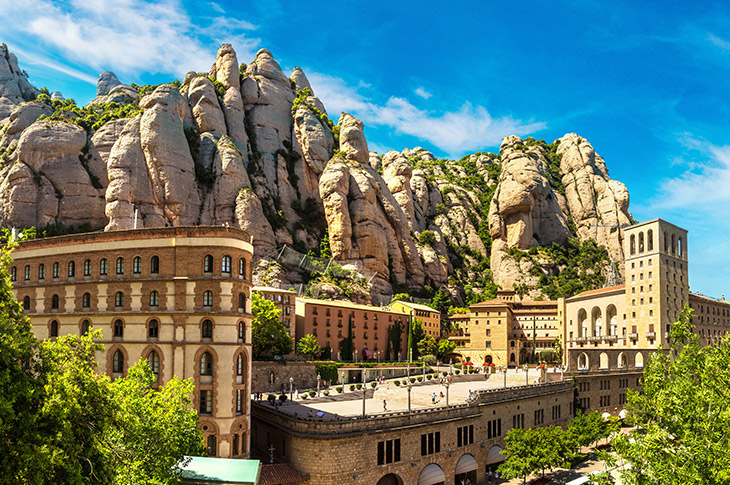
Walking the Ignatian Way in Catalonia means retracing the final steps of a profound inner journey. Amid valleys, monasteries, arbequina olive oil and wines with Denomination of Origin, pilgrims discover a region where faith merges with beauty and every step invites self-discovery. Location Catalonia is located in northeastern Spain, bordering France, Andorra, Aragón and the Region of Valencia. Its transport network includes Barcelona-El Prat, Girona-Costa Brava and Reus airports; the ports of Barcelona and Tarragona; the high-speed AVE rail network; and the AP-7 and AP-2 motorways.