
Northern hórreos: living heritage for rural tourism
These traditional constructions reveal a shared cultural network between mountains, coast, and the rural world
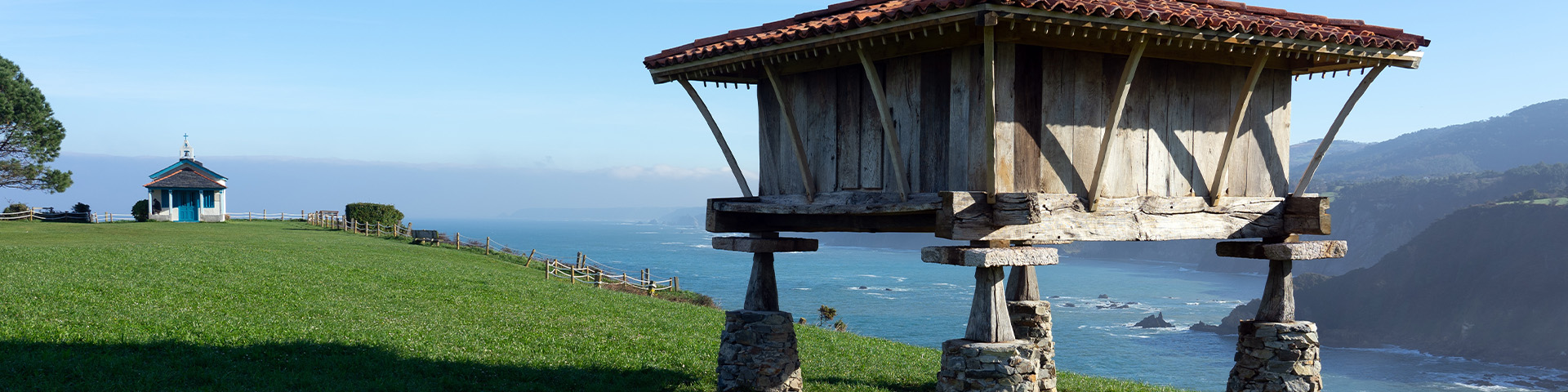
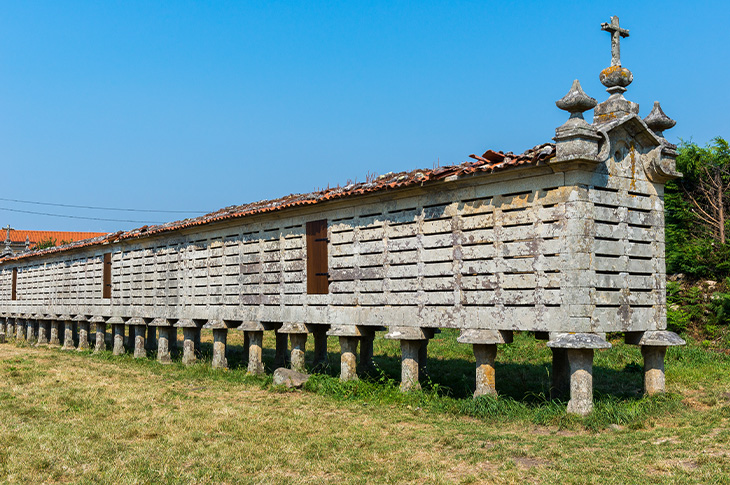
The hórreos of the northern Iberian Peninsula’s official recognition as a Representative Manifestation of Intangible Cultural Heritage places their legacy in the spotlight—a legacy that transcends their architectural value and promotes their symbolic, social, and territorial dimensions. Galicia, Asturias, León, Cantabria, and the Basque Country share a living heritage that speaks of memory, knowledge, crafts, and lifestyles, offering tourism a narrative of great authenticity, deeply linked to the landscape and the identity of their communities. More than just ancient, elevated granaries designed to protect crops from moisture and rodents, the hórreos make up an emotional geography that traverses the mountains, valleys, and villages of northern Spain. Their formal and constructive diversity, evident in materials, roofs, staddle stones, or interior partitions, transforms these buildings into an expression of popular architecture and the connection between each territory and the way in which it is inhabited. In Galicia, their presence accompanies some recognizable landscapes within the region, from the seaside front of Combarro to the ensembles of A Merca or Piornedo, not forgetting the imposing hórreo of Carnota, which has become one of the great icons of this tradition. In Asturias, where they are closely linked to peasant life and rural identity, an hórreo culture has endured the ages and is associated not only with agricultural storage but also with decoration, masterful construction, and the continuity of typologies such as the hórreo and the panera, well-represented in places like Espinaréu, Bueño, Sietes or Barcia.
León reveals another major map of hórreos in mainland Spain. From the Sajambre and Valdeón valleys to the mountains of Riaño, Babia, Laciana, El Bierzo, Prioro, Felechas, or Las Bodas, these constructions showcase the variety of influences and solutions that have shaped the Leonese mountain region. In Cantabria, the hórreos of Liébana preserve the essence of these free-standing wooden granaries, elevated on staddle stones to keep grain and tools away from ground moisture. Meanwhile, in the Basque Country, the hórreos of Agirre and Ertzilla—both built during the 16th century—evoke their historical relevance in the old farmhouses of Gipuzkoa and Bizkaia, where they also expressed social prestige and refined craftsmanship. Their recognition as a Representative Manifestation of Intangible Cultural Heritage emphasizes that the value of the hórreos lies not only in their architecture but also in the knowledge passed down, their uses, and the memories preserved around them. This is a living heritage that offers rural tourism in the north of Spain a solid cultural foundation upon which to build unique and coherent destination proposals with long-term viability.