
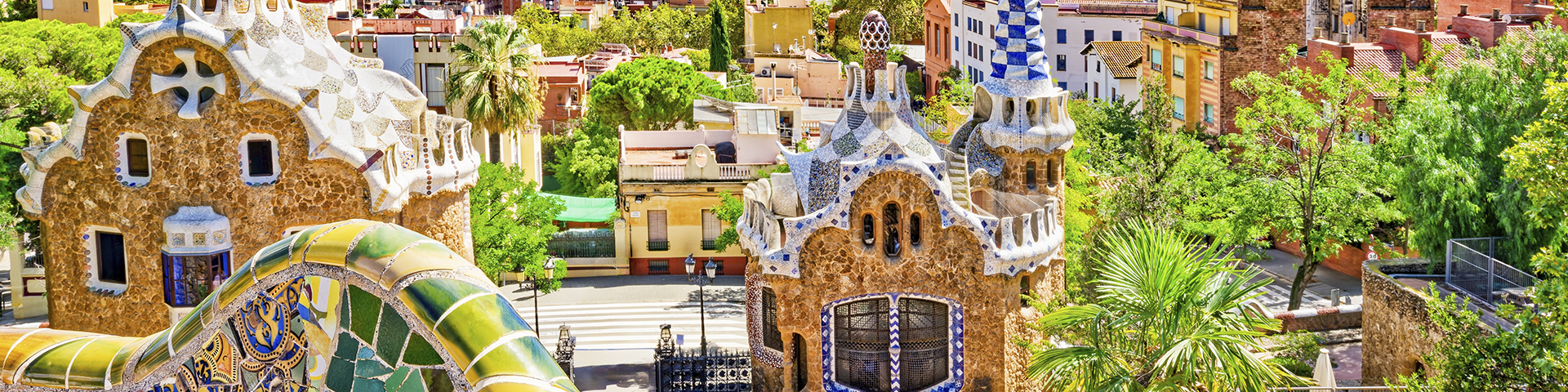
Casa Batlló, the Sagrada Familia and other venues refresh the Gaudí experience
Barcelona showcases exhibitions, theatre, virtual reality and new routes to explore the architect’s enduring legacy
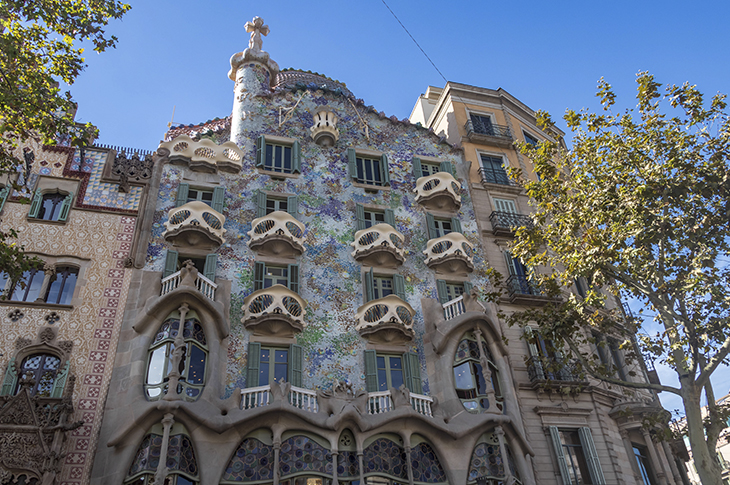
Gaudí Year 2026, marking the centenary of the Catalan architect’s passing, has launched a vibrant program in Barcelona and Catalonia with Casa Batlló serving as a key highlight. The opening of the Third Floor —the last original home restored and transformed into private event venues— is added to exhibitions, theatre, immersive experiences, music and participatory projects, offering fresh ways to engage with Gaudí’s legacy through cultural, sensory and contemporary lenses. The inclusion of this Third Floor transforms the visitor experience at Casa Batlló. Beyond the building’s status as a Modernist icon, visitors discover a home that preserves the memory of everyday life, featuring rooms designed for domestic living and architecture experienced on a more intimate scale. After over a century inhabited by Batlló family descendants, the space is now open to the public for the first time, hosting private gatherings, celebrations, presentations and culinary experiences. The restoration, carried out over three years with an archaeological approach, removed 20th-century alterations to reveal the building’s original 1906 architecture. Gaudí’s original woodwork, stuccoes, flooring and construction details have been meticulously restored or recreated using traditional artisanal techniques. This restoration revealed hidden floral motifs, original undulating ceilings, repurposed doors and a unique door handle that deepens our understanding of his meticulous attention to detail. Building upon this heritage foundation, Paola Navone – OTTO Studio has crafted an interior design project that harmonizes with the building without overpowering it. Together, furniture, objects, color and artisanal pieces create a contemporary ambiance that honors the original architecture. The event spaces, separate from the museum route, can accommodate groups of 2 to 20 people and can be enjoyed independently or as part of the cultural visit, complemented by a culinary offering inspired by Mediterranean and Catalan cuisine.
Meanwhile, Casa Batlló Contemporary expands the perspective with the exhibition Gaudí, Miró, Gomis: Deconstructed, organized in collaboration with the Joan Miró Foundation and developed by Tomorrow Bureau, will be open from July 8, 2026, through January 2027. The exhibition fosters a conversation between Antoni Gaudí, Joan Miró and Joaquim Gomis, drawing on their connection to Barcelona and shared themes such as nature, materiality and experimentation. Gomis’s photographs, instrumental in promoting Gaudí’s work internationally, interact with sculptures and graphic art by Miró, while technologies such as animation, 3D scanning, photogrammetry and artificial intelligence make it possible to analyze shapes forms, reconstruct volumes and unveil structures hidden to the naked eye. The centenary program also features immersive experiences. Gaudí Code, inaugurated on September 22 at Espai Imagina, explores the architect’s creative process and showcases several projects that were never built, including the Monumental Fountain of Plaça de Catalunya, the Franciscan Missions in Tangier and the Hotel Attraction in New York. Meanwhile, Barcelona Cathedral presents Gaudí: the immersive experience, a 40-minute virtual reality installation that recreates the architect’s workshop and creative process. It will be available until December 31, offered in multiple languages. The performing arts program offers fresh perspectives on the life and work of Antoni Gaudí. Gaudí: The awakening of genius will premiere at the Teatre Poliorama on November 15 as a family musical in Catalan, focusing on Gaudí’s childhood, illness, connection with nature and the blossoming of his creative talent. That same day, Camerata XXI – Mirrors of Gaudí will be presented at the Teatre Auditori Casal Riudomenc, in Riudoms, offering a blend of music, existing works and storytelling that explores the architect’s childhood, spirituality and creativity beyond the Sagrada Familia, trencadís and modernism. Specifically, in November, the Sagrada Familia will host the participatory art project What does the Sagrada Familia awaken in you? held in the apse chapel as part of the centenary celebrations and marking the completion of the Tower of Jesus Christ. After exploring the temple, participants will share words and impressions that will contribute to a collective artwork. Meanwhile, Casa Vicens is reopening the restored Smoking Room on November 16, reinstating the vibrant polychrome originally designed by Gaudí in 1885. The Gaudí Year 2026 program is further enriched with thematic tours, exhibitions and cultural activities that place the architect’s work firmly within the context of Catalan Modernism. The itinerary includes sites such as the Crypt of the Colònia Güell in Santa Coloma de Cervelló, the Güell Winery in El Garraf and the Artigas Gardens in La Pobla de Lillet, along with Barcelona icons like La Pedrera and Park Güell.
Location
Barcelona is situated in the northeast of Spain, along the Mediterranean coast, and is the capital of Catalonia. Barcelona is accessible via the AP–7, AP–2, C–32 and C–31 highways, the high-speed AVE train network, Barcelona–El Prat Airport and the Port of Barcelona —one of the Mediterranean’s leading cruise and passenger ports.