
Following in the footsteps of the Middle Ages to the heart of Ribeiro
A journey into hidden Galicia: Ribeiro unveils its Romanesque heritage and most authentic landscapes
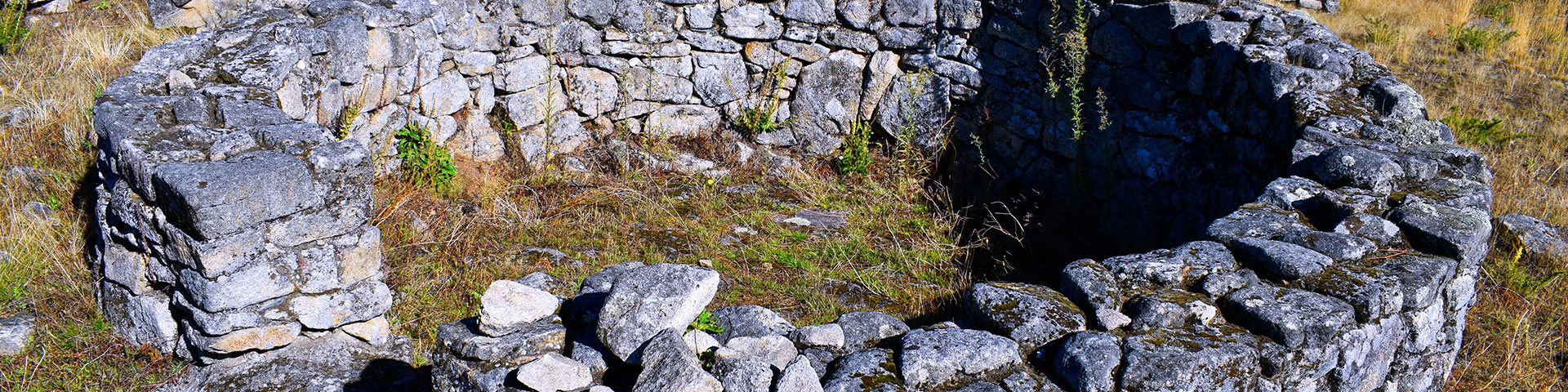
Galicia is home to hidden gems sure to delight even the most inquisitive traveler, while Ribeiro—a land shaped by vineyards and rivers—stands out as a unique destination in which rural Romanesque architecture, mountainous scenery, and rich ethnographic traditions seamlessly intertwine. This route invites visitors to explore monasteries, centuries-old churches, natural hot springs, and medieval villages—an itinerary that weaves together history, nature, and local flavor. Ribeiro, located in the province of Ourense, is known for much more than just its wine. It is also a region dotted with Romanesque churches, Cistercian monasteries, medieval villages, and landscapes perfect for hiking. This three-day itinerary combines historic heritage, folk culture, and immersion in lush nature, all enriched by the warmth of local hospitality and cuisine featuring pulpo á feira octopus, carne richada stew, and traditional Mudéjar sweets. The journey begins in O Carballiño, where the Arenteiro Ethnographic Park offers a glimpse into daily life, centered around the river and its mills. Boborás, with churches like San Xiao de Astureses and San Martiño de Cameixa, brings visitors closer to the heart of simple yet evocative rural Galician Romanesque heritage. This day concludes at the Cistercian convent of San Clodio—the true historical birthplace of viticulture in the Ribeiro region. The second stage unfolds amid quaint villages and elevated landscapes. From the church of Gomariz in the Avia Valley to the climb up Pena Corneira, visitors will discover the striking beauty of late Romanesque architecture in churches such as San Tomé de Serantes and Santa María de Lamas. The route then continues to Beade, renowned for its medieval old town, and to Ribadavia, where the pre-Romanesque San Xes de Francelos Church preserves Visigothic elements and exquisite stone-carved latticework today.
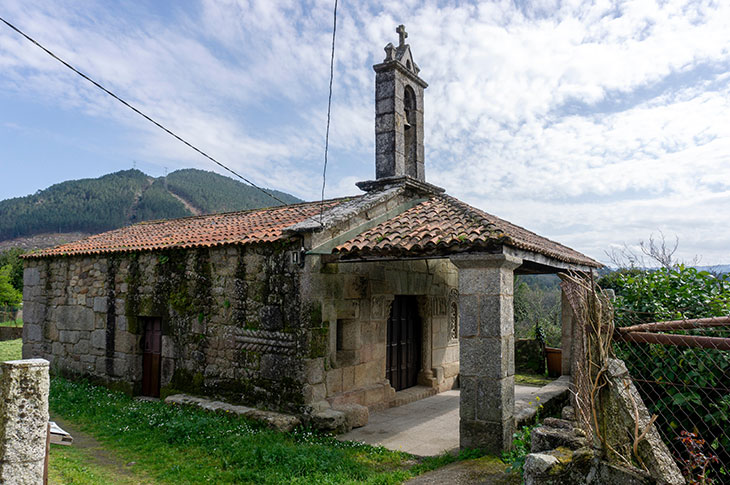
The third day offers a blend of archaeology, spirituality, and relaxation. The castro hillfort of San Cibrao de Lás impresses with its size and extensive Romanization, while the monastery of Santa María de Melón reveals the charm of Romanesque architecture blended with later stylistic influences. This itinerary also includes a rejuvenating stop at the Prexigueiro thermal baths, whose waters emerge beside the Cerves River, before venturing into Pazos de Arenteiro: a medieval village designated as a Historic-Artistic Ensemble, brimming with grand manor houses, narrow streets, and churches infused with history. Beyond its monuments, this route offers a truly sensory journey. The crisp oak forests, the echo of traditional folk songs, the richness of Ribeiro wine, and local gastronomy accompany visitors every step of the way. The result is a unique journey inviting you to rediscover Galicia at its most authentic: a harmonious blend of stone, water, tradition, and the landscape.
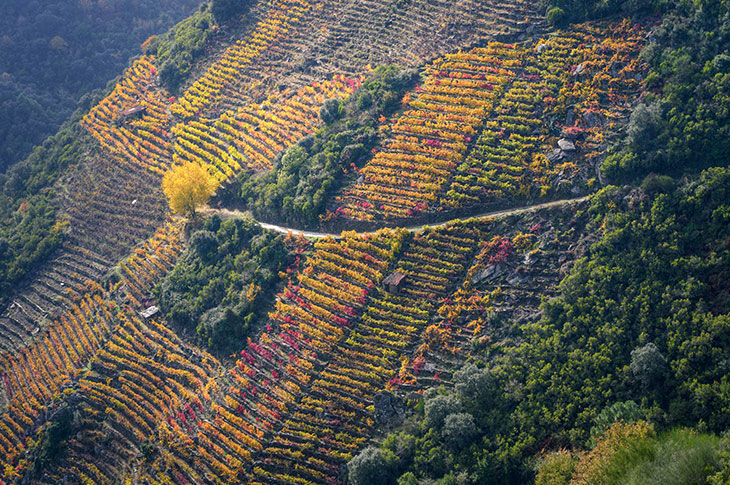
Location Ribeiro is located in the southwest of the province of Ourense, within the region of Galicia. It spreads across the middle valley of the Miño River and its tributaries: the Avia and Arnoia. The main urban center is Ribadavia, connected via the A-52 motorway and the N-120, with Vigo-Peinador airport and the port of Vigo approximately 40 miles away.