
An invitation to discover Galicia through culinary experiences
Proposals that connect visitors through knowledge and flavor
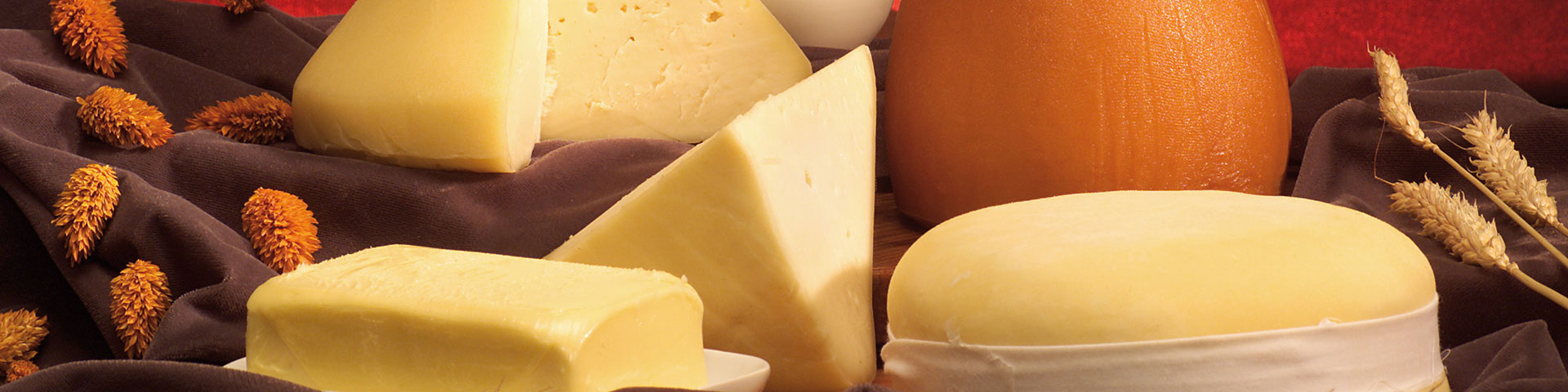
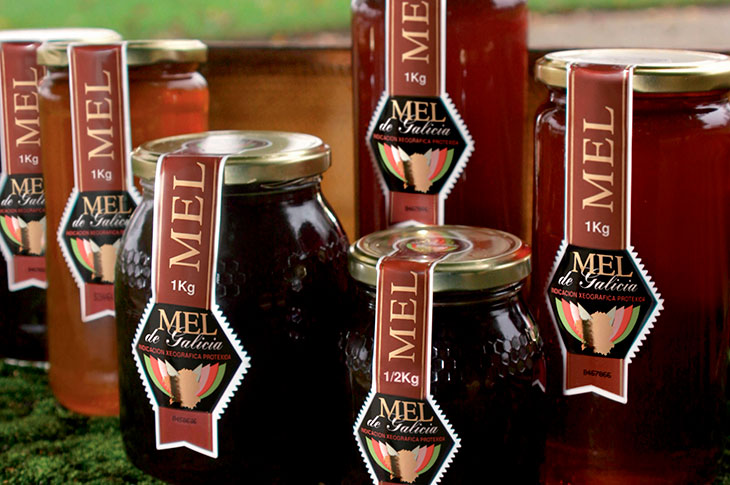
Galicia invites international visitors to discover the destination from an intimate and sensory perspective, through experiential gastronomy tourism routes that connect the produce, territory, and people. Dairies, apiaries, estates, plantations, and workshops open their doors to visitors to share artisanal processes, landscapes shaped by human labor, and knowledge handed down through generations. A leisurely journey that transforms these tastings and samplings into understanding and the itinerary into an experience. Exploring Galicia through its experiential gastronomy routes involves delving into a territory where food is an essential part of cultural identity. Travelers do not just taste: they observe, learn, and participate in a narrative built from the landscape, the rhythm of the seasons, and the work of those who cultivate, raise, and transform the products. The cheese routes lead to the heart of rural Galicia, where family farms and ecological projects showcase how milk is turned into cheeses with protected designation of origin. Visits allow travelers to explore meadows and stables, understanding both traditional and modern production techniques, and appreciating the great value of animal welfare, biodiversity, and time as essential ingredients. This experience is rounded off with tastings that reflect Galicia’s territorial diversity. Honey follows a route that is deeply connected to nature. Visitor centers, museums, and educational apiaries introduce travelers to the world of bees, explaining their role in ecosystems and the botanical wealth of the surroundings. Workshops, tastings, and tours through restored natural spaces turn these visits into an educational and sensory experience, where each variety of honey expresses a distinct landscape.
Historic agricultural products, such as the chestnut or the Lourenzá bean, allow visitors to travel back in time. Visitor centers and artisan workshops showcase ancestral crops, harvesting and processing techniques, as well as their economic and social significance. These are routes that incorporate architectural heritage, traditional paths, and local culture, offering visitors a comprehensive interpretation of the territory. Contemporary Galicia also expresses itself through innovative projects that maintain a strong connection to the land. Tea plantations, infusion and organic cosmetic initiatives, craft beers made with their own hops, and ciders from native apples create routes that combine sustainability, creativity, and a deep rootedness in the territory. Visits include walks through estates, insight into production processes, and guided tastings in carefully preserved rural settings. These culinary routes are designed for the international traveler seeking meaningful experiences, human contact, and extensive knowledge of the destination. In Galicia, experiential gastronomic tourism is not an add-on but a way of traveling: a journey where each flavor tells a story and every encounter leaves a mark. Location Galicia is located in the northwest of Spain, bordered by Portugal to the south, the Atlantic Ocean to the west and north, and Castile and León and Asturias to the east. It has access via the A–6 and A–52 highways, airports in Santiago de Compostela, A Coruña and Vigo, Atlantic ports, and a rail network with high-speed connection.