
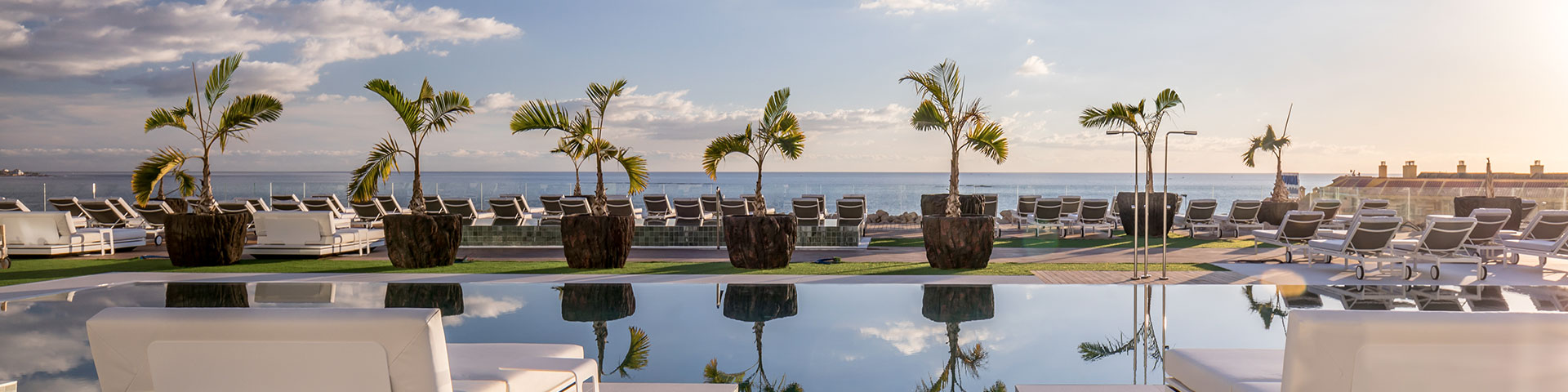
Luxury hotels in Tenerife: exclusive getaways between the ocean and volcanoes
Five iconic hotels that perfectly blend striking architecture, gourmet cuisine, and unparalleled exclusivity
In Tenerife, luxury hospitality has found a rich and ideal setting to flourish in every way: from resorts overlooking the Atlantic with breathtaking infinity pools to contemporary boutique hotels where art and tradition blend seamlessly. The island boasts a dream collection of hotels that fuse history, modern design, and exquisite culinary experiences, firmly establishing it as one of Europe’s premier destinations for exclusive tourism. In Costa Adeje, Royal Hideaway Corales Suites stands out with a design inspired by marine coral formations. The resort features 114 suites and apartments with sea views, several outdoor pools, a state-of-the-art spa, and spaces for family fun and relaxation. One of its major draws is its culinary offering, with restaurants headed up by Michelin-starred chefs that have made it a real culinary landmark on the island. Also located in Costa Adeje, Tivoli La Caleta Tenerife Resort & Spa has opted for a combination of modern style and tropical ambiance. Its amenities include three heated pools, the Anantara Spa with its Asian-inspired treatments, a fully equipped gym, and the SEEN Beach Club, infusing the site with a sophisticated beachfront vibe. The resort presents a diverse culinary offering, featuring an international-cuisine concept led by chef Oliver Da Costa.
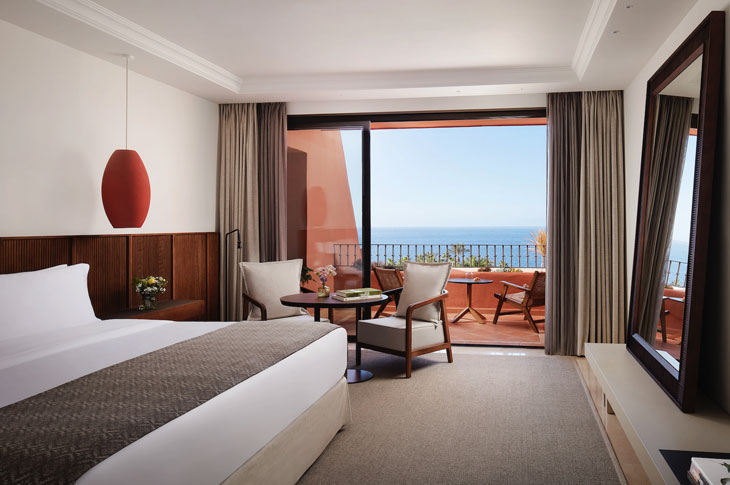
Still within this Tenerife town, the iconic Hotel Bahía del Duque retains its classic resort charm, with its design evoking a 19th-century Canarian colonial villa. It offers more than 350 rooms and private villas, nine restaurants—including one Michelin-starred—and 14 bars and lounges. Facilities include a kids’ club, an astronomical observatory, several oasis-style pools, a 24-hour gym, and the renowned Bahía Wellness Retreat, revealing exclusive beauty treatments and thalassotherapy spa circuits. What’s more, the recent opening of the Upalupa Moments & Tastes restaurant further underscores its innovative spirit. The Gran Hotel Taoro, located in the north of the city of Puerto de la Cruz, makes its return to the hospitality scene after a full renovation to modernize its 199 rooms and luxurious suites. Its amenities include a cutting-edge wellness center, garden-surrounded pools, and five dining venues—including a Japanese restaurant by Ricardo Sanz and two culinary concepts by Erlantz Gorostiza—as well as updated social areas such as the lobby bar and event spaces, making it a destination in its own right.
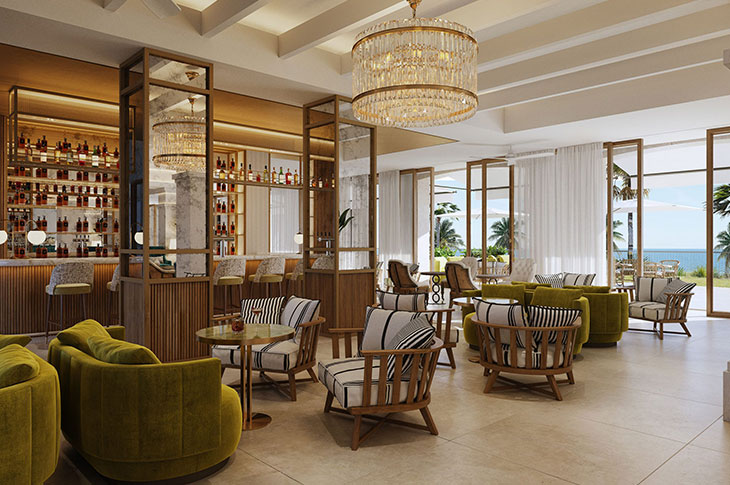
In Guía de Isora, the Red Level Gran Meliá Palacio de Isora stands out, famed for a saltwater infinity pool considered the largest in Europe. Its exclusive RedLevel area provides a personal butler, private lounge, and premium services. The resort boasts a Clarins spa, extensive dining options with signature restaurants, a kids’ club, sports facilities, and exclusive experiences such as paragliding excursions and astronomy programs. These five hotels exemplify how Tenerife masterfully blends innovation, heritage, and hospitality into a luxury experience, raising it to the rank of some of the Atlantic’s most exclusive destinations. Location Tenerife is the largest of the Canary Islands, situated in the Atlantic Ocean southwest of the Iberian Peninsula and belonging to the province of Santa Cruz de Tenerife. Tenerife is served by two international airports—Tenerife North and South—as well as several seaports, including Santa Cruz and Los Cristianos, which link the island both to other destinations within the archipelago and to mainland Spain.