
Templar Spain: five castles where history and legend remain alive
A Templar itinerary to discover unique castles where history, mystery and majestic views coexist
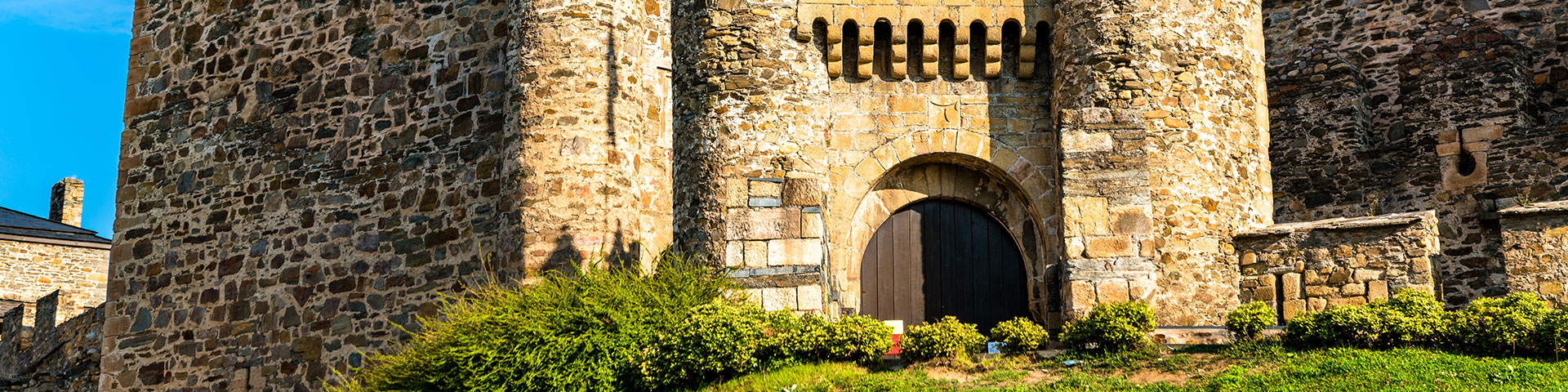
From the Leonese north to the Mediterranean coast, Spain guards a Templar legacy that captivates travelers. Five fortresses invite you to discover the legacy of the warrior monks among centuries-old walls, dizzying views and routes full of legends. From Ponferrada to Caravaca de la Cruz, this itinerary reveals the power, faith and beauty that still resonate in the castles of the Order of the Temple. To travel through the country's Templar castles is to experience an era in which spirituality and military strategy marched united. The Order of the Temple, born in Jerusalem during the 12th century under the name Poor Fellow-Soldiers of Christ and of the Temple of Solomon, was a religious militia that answered directly to the Pope. On the Iberian Peninsula, its members protected pilgrims, defended newly conquered territories and controlled routes to Santiago de Compostela or the Holy Land. Their footprint was so profound that, according to the inventory by writer Jesús Ávila Granados, the Templar Order administered around 162 castles on Spanish territory, more than in any other European country. These fortresses —spread across Aragon, Castile and León, Extremadura, the Region of Valencia, Castile-La Mancha, Catalonia and Murcia— remain witnesses to a history that combines faith, power and legend. In Castile and León, Ponferrada Castle in León is the great Templar emblem of the north. Located right on the Way of St James, it occupied more than 8,000 square meters of walls, towers and passages intended to protect pilgrims. The evening light over the Sil River turns its silhouette into an unforgettable image. To the east, in Aragon, the renowned Monzón Castle (Huesca) was one of the most powerful Templar bastions. There, young James I, future king of Aragon, was educated. Within its walls, one can still sense the discipline of the warrior monks, and from its heights, you can see the landscape that was once a frontier and a fortress.
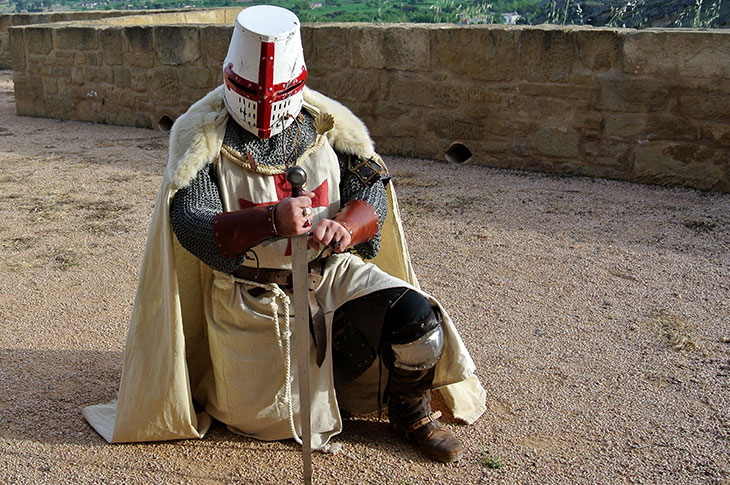
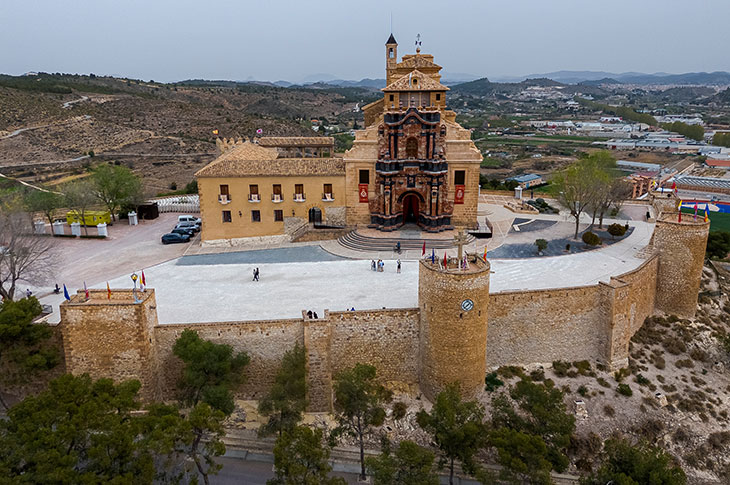
In Catalonia, the Miravet Castle in Tarragona stands over a bend of the Ebro River. With a Romanesque church and imposing towers, it was a convent-fortress where one of the last Templar groups took refuge before the Order was dissolved in the 14th century. Its unique views over the river evoke the blend of seclusion and power that characterized the Templars. Further south, in Castile-La Mancha, the San Servando Castle (Toledo) rises opposite the Alcántara bridge. Designed to protect access to the city, its Templar era gave it that sober and mystical character it still retains. Today, transformed into a hostel, its medieval ambiance remains intact. The route culminates in the Region of Murcia, at the Caravaca de la Cruz Castle, where the Templars secured the territory conquered by Alfonso X. Within its walls is the Basilica of Vera Cruz, a symbol of faith and a pilgrimage destination.
Each of these castles is an open door to time, a setting where travelers can sense that the history of the Temple still breathes among its stones.