
El Hierro under water: a journey to the volcanic heart of the Atlantic
Volcanic seabeds, large species, and marine reserves define an underwater paradise in the Canary Islands
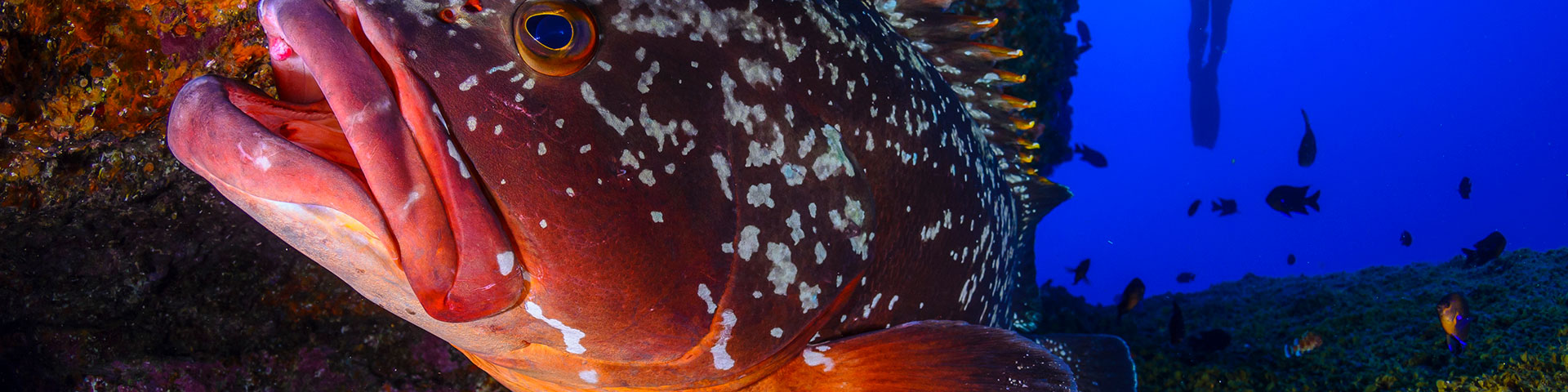
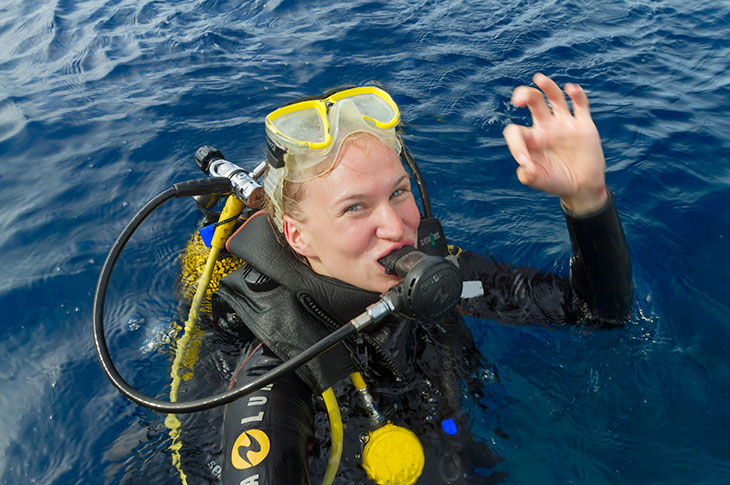
El Hierro offers a diving experience that goes beyond sport, becoming an immersive exploration of the underwater landscape. Temperate waters throughout the 365 days of the year, visibilities reaching up to thirty meters, and a unique volcanic geology define one of the best diving destinations in Spain and Europe. Around the La Restinga Marine Reserve, each dive reveals a living, diverse, and astonishing ocean. Diving in El Hierro is descending into a world sculpted by fire and shaped by the sea. The volcanic origin of this island and its narrow insular shelf allow great depths to be reached at a very short distance from the shore, creating a vertical underwater setting of enormous visual richness. This unique terrain, coupled with strict environmental protection and exclusively artisanal fishing, has given rise to one of the best-preserved marine ecosystems in the Canary Islands. The heart of this experience lies at the southern tip of the island, around La Restinga and the Mar de Las Calmas Marine Reserve. These are home to the most valued dive sites in the archipelago, suitable for both beginners in scuba diving and experienced divers and specialized photographers. Lava tongues, sheer walls, sandy platforms, and caves form routes that change with each dive. Punta Restinga is an example of this diversity. Facing the fishing port, an underwater lava tongue offers multiple routes where large groupers coexist with rays gliding over the sand and schools of small fish. By day, color and movement dominate the landscape; by night, lobsters and rays transform the scene. Nearby, the La Restinga Pier provides an opportunity to discover the ocean’s nocturnal life with an accessible and sheltered dive, ideal for baptisms, training, and underwater photography.
El Bajón represents the most spectacular side of diving in El Hierro. This underwater mountain with vertical walls, shallow peaks, and descents reaching one hundred meters is considered the best dive on the island. The currents sustain abundant fauna that includes large groupers or garopa, so it is no coincidence that it is a regular venue for the Open Fotosub El Hierro. Other locations complete the underwater mosaic of El Hierro. In The Desert, an extensive sandy plain hosts the largest known colony of garden eels in the Canary Islands, alongside pelagic species such as tunas and sunfish. La Bonanza Rock, the island's own natural symbol, provides an opportunity to circumnavigate a volcanic dike that drops to nearly fifty meters deep, while La Caleta combines shores, unique caves, and an arch covered with black corals accompanied by large schools of fish. With more than 40 diving spots, water temperatures ranging between 18ºC and 25ºC, and biodiversity where tropical and Mediterranean species coexist, El Hierro is not only a place to dive but also to explore. Each descent is an invitation to understand the grandeur of the ocean from within. Location El Hierro is an island located at the southwesternmost tip of the country, within the region of the Canary Islands. Access is possible by air through El Hierro Airport (Valverde) and by sea via the ports of La Estaca and La Restinga. There is no railway station available.