
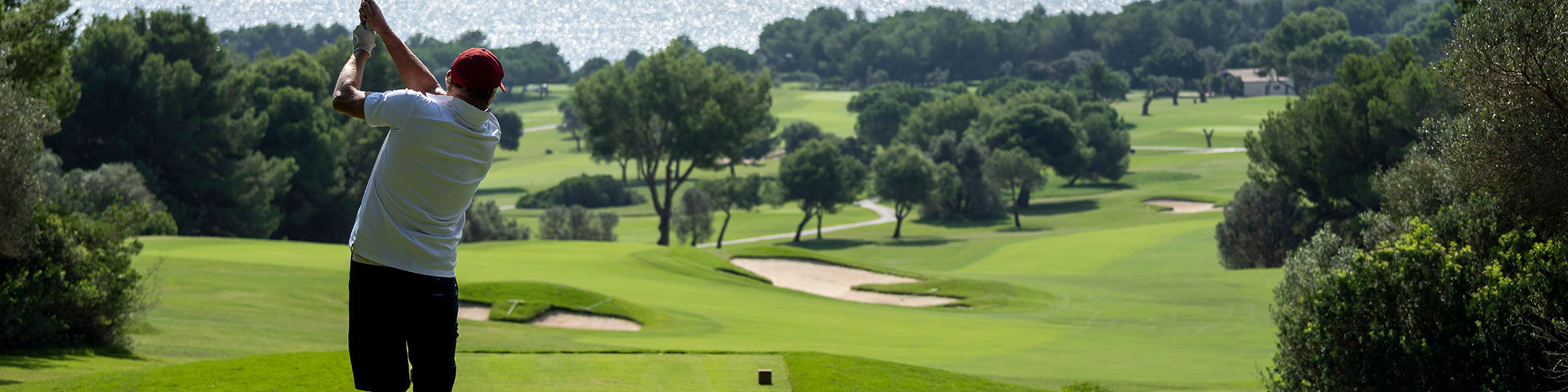
Where to play golf in Spain: key destinations and sector figures
Exceptional climate, top-level infrastructure, and a diversified offering consolidate Spain as an international powerhouse
Spain attracts close to 1.4 million visitors annually thanks to golf, thereby reaffirming its position as an international leader. In Spain, this traveler profile, characterized by longer stays and high spending, can enjoy an offering that combines sport, scenery, and lifestyle. Playing golf in Spain also allows visitors to travel through diverse landscapes without sacrificing on comfort, transport links, or quality of experience. Courses opening out along the coast, extending into more rural areas, ascending toward mountain environments, or located just a short distance from major cities make it possible to build comprehensive tourist itineraries around the sport. The climate represents one of the destination's main competitive advantages. With around 300 days of sun per year, Spain offers a particularly long golf season. In the Canary Islands, where the average annual temperature exceeds 20 degrees, the sport can be enjoyed throughout the year. In the south of Andalusia, with nearly 3,000 hours of annual sunshine, and in the most Mediterranean regions, conditions remain favorable even in the milder months, boosting golf's ability to attract demand both in spring and autumn. Based on this exceptional climate, a network of destinations with great international prestige has emerged. Marbella, considered one of the main golf epicenters in Europe, brings together some of the country’s most renowned courses, along with the Costa del Sol. On top of this, the Costa de la Luz, the Costa Brava, the Costa Cálida in Murcia, the Region of Valencia, the Balearic Islands, and the Canary Islands are all regions where golf naturally integrates into the tourism experience.
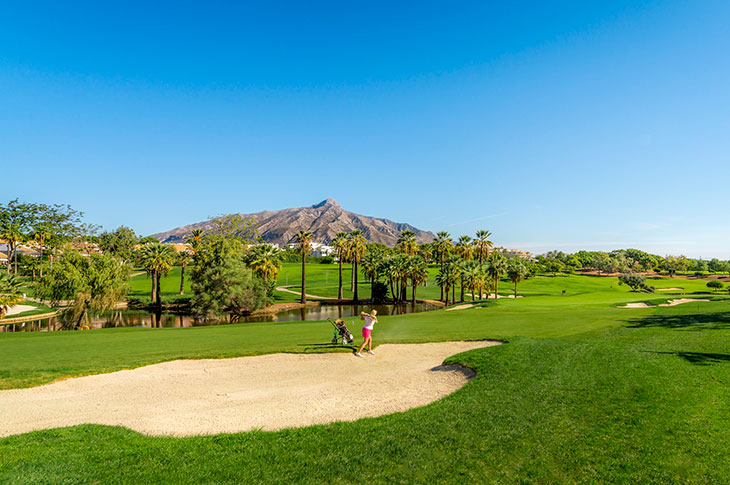
The strength of golf also relies on its infrastructure. The main locations are situated near airports with extensive international connections, such as Madrid–Adolfo Suárez, Alicante–Elche, Barcelona–El Prat, Girona–Costa Brava, or Malaga, facilitating short breaks and longer stays from major European markets. This accessibility is complemented by a diverse offer of accommodation, resorts, spas, Paradores hotels, and other complementary services that elevate the experience beyond the golf course itself. Spain also boasts a well-established business base, as the Spanish Association of Golf Courses (AECG) represents over 200 facilities. This significance is reflected in the figures. The golf sector generates nearly 16 billion euros in economic impact and a revenue of close to 875 million. Moreover, this tourism model stands out for its ability to generate spending across the entire destination: out of every 10 euros spent by a golf traveler in Spain, approximately 9 are allocated to services beyond the course, such as hotels, dining, shopping, or transportation. This spending distribution confirms this profile’s position within a high value-added segment. Finally, the experience is rounded out by a range of courses aimed at very diverse profiles. Visitors will find courses designed by renowned names in golf architecture, such as Robert Trent Jones at Valderrama and Sotogrande, or Javier Arana at El Saler and Aloha Golf Club, alongside options tailored to amateur players, family travelers, or visitors who prefer to combine golf with gastronomy, culture, or wellness.
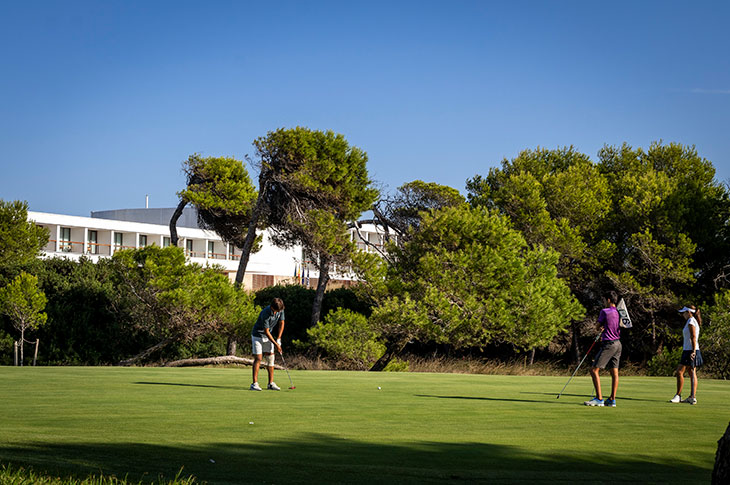
As a result, Spain reaffirms itself as one of the leading international destinations for golf practice and as a mature, competitive market with potential in the premium segment. To learn more about the sector's evolution and the network of facilities supporting this proposal, the Spanish Golf Courses Association provides up-to-date information and specific resources.