
Five caves to discover the underground heart of Spain
From prehistoric rock art to subterranean lakes, set off on an enthralling journey beneath Spain’s surface
Beneath the ground, Spain preserves a heritage as diverse as it is astonishing. From the rock art vaults of Cantabria to the volcanic tubes of Lanzarote, passing through underground lakes, natural columns and stone cathedrals in the mountains of León, the country whisks you off on a journey through millions of years of geological and human history. These caves combine science, culture and excitement in settings that seem otherworldly, each preserving its own story that connects the distant past with the curious gaze of the modern traveller. Nerja Cave (Andalusia). Known as the “Natural Cathedral of the Costa del Sol,” the Nerja Cave, located in Maro (Málaga), blends geological, archaeological and touristic value. Declared a Site of Cultural Interest, it offers a tour through rooms brimming with large speleothems, including the Cataclysm Hall, with a 32-metre-high column. Its virtual reality room is the perfect way to round off this visit by showcasing areas not accessible to the public, making it an immersive and educational experience that combines conservation and technology.
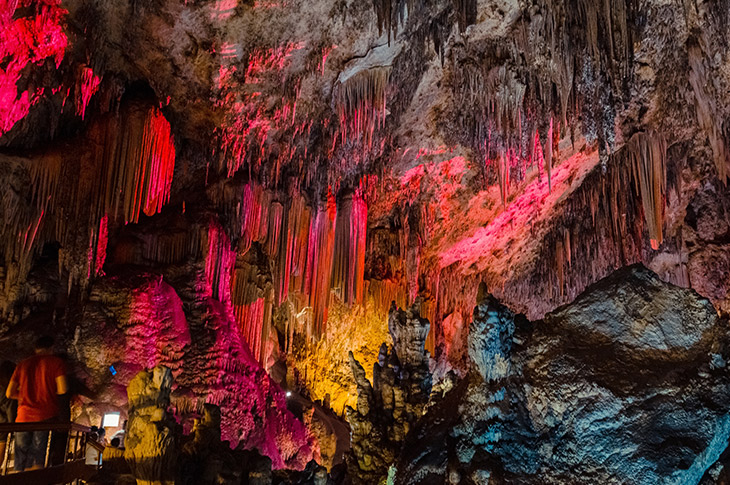
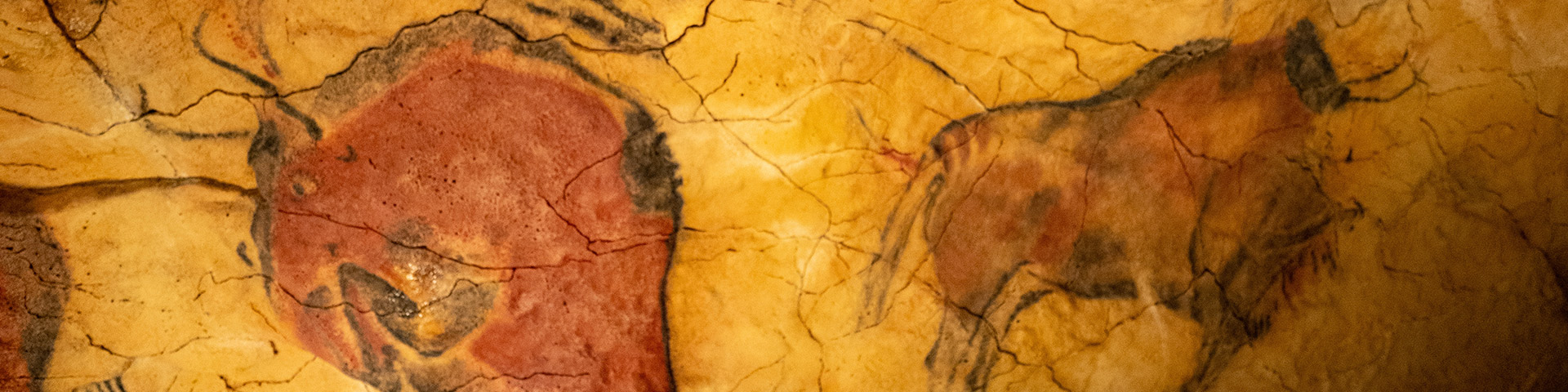
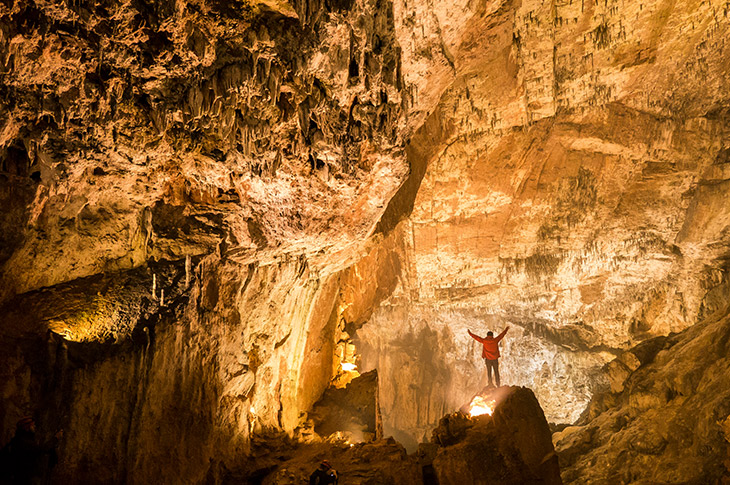
Altamira Cave (Cantabria). Paleolithic rock art reaches its pinnacle in the Altamira Cave, located in Santillana del Mar. Discovered in 1868 (attributed to Modesto Cubillas, with its study conducted by Marcelino Sanz de Sautuola in 1879), its renowned polychrome paintings of bison and female deer sparked worldwide recognition of cave painting. Today, access to the original cave is highly restricted, but the National Museum and Research Centre, together with the Neocave, offer a faithful experience of this sanctuary that marked a turning point in the history of prehistoric art. Cuevas del Drach (Balearic Islands). Located in Porto Cristo (Mallorca), these caves are home to Lake Martel, one of the world’s largest underground lakes. During this approximately one-hour tour, visitors enjoy a live classical music performance and a boat ride over waters that change colour depending on their depth. Lighting gives prominence to the stunning stalactites and stalagmites that adorn this natural wonder, a masterpiece that brings together nature and human creativity. Valporquero Cave (Castile and León). Nestled in the heart of the León mountains and beside the Hoces de Vegacervera, this cave has seven chambers descending to a lower level sculpted by the stream that still flows through it. Maintaining a steady temperature of 7°C, there are a number of different tour options to explore, from the basic route to Valporquero Insólito (Unusual Valporquero), a caving experience that unveils water’s power as a master sculptor of stone. Its natural setting, nestled among beech forests and gorges, rounds off the perfect landscape to enjoy inland tourism.
Cueva de los Verdes (Canary Islands). Formed around 20,000 years ago following the eruption of La Corona volcano in Lanzarote, this cave is an awe-inspiring volcanic tube that stretches all the way to the sea, where the famous Tunnel of Atlantis begins. Once a refuge against pirate attacks, it was developed in the 1960s by Jesús Soto under the guidance of artist César Manrique. Its approximately one-kilometer route blends art and nature through a captivating play of light and sound, creating a poetic, serene and immersive vibe that astonishes with its sheer scale and visual harmony.