
From the rutting season to astrotourism: La Mancha unveils its ecotourism offer
Nine regions across five provinces present experiences featuring birds, rural culture, wildlife, rivers and stars
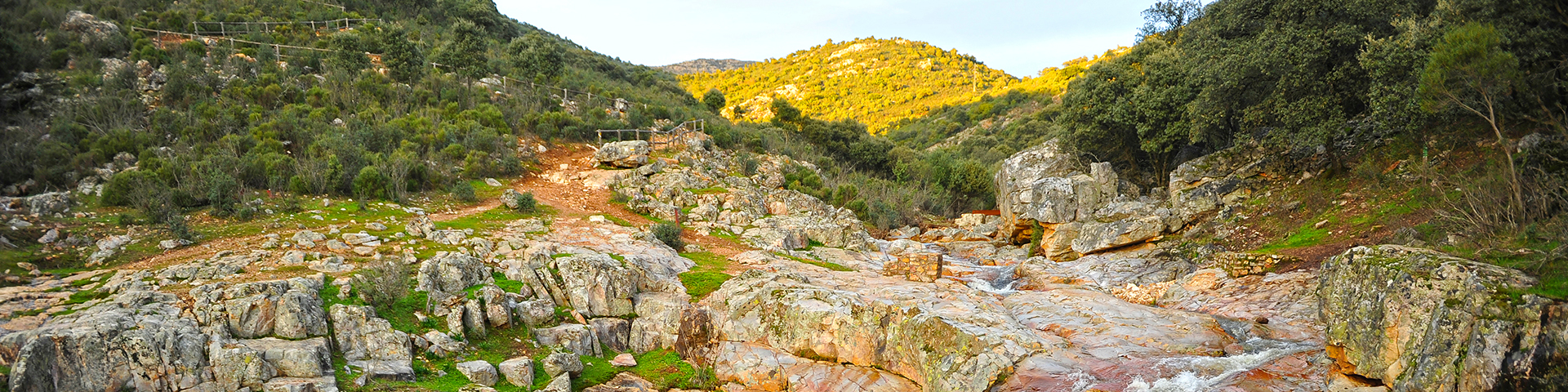
Castile-La Mancha presents an ecotourism initiative linked to the Natura 2000 Network that encompasses its nine regions, 294 municipalities and over 30 carefully crafted experiences designed to explore protected landscapes, birdlife, starry skies, traditional crafts, local cuisine and outdoor activities —all part of a regional cooperation project connecting sustainability, the local area and travel. The Castile-La Mancha ecotourism map invites visitors to explore each of the five provinces at a relaxed pace, emphasizing both conservation and a close connection with natural environments. This initiative is grounded in an extensive area: nine regions spread across five provinces, covering 33,950 square kilometers, 294 municipalities and home to 325,419 residents. Its scope covers 78% of the Special Areas of Conservation (SAC) and 72% of the Special Protection Areas for Birds (SPAs) in Castile-La Mancha. In addition, more than 70% of the regional Natura 2000 Network qualifies for the Sustainability Recognition System for Nature Tourism within the Natura 2000 Network. The Sierra de Alcaraz and Campo de Montiel open the gateway to the night sky with Photographing the Sky and Stars of Calares del Mundo, alongside birdwatching adventures like the Top 10 Birds of Campo de Montiel. Both experiences capture the essence of nature, tranquility and meticulous attention to detail, inviting a leisurely travel pace that values subtlety over mere transit. In the Alcudia Valley and Sierra Madrona, the range of offerings becomes particularly diverse. ALMA Wild Nature coexists with Living Prehistory with the Family, Exploring the Essential Landscapes of the Alcudia Valley and Discovering a Roman Villa and the Skies of the Alcudia Valley. These are complemented by experiences rooted in rural traditions, such as Between Pleitas and SPAs, and the flavors of the region, like Discover the Landscapes and Flavors of the Strawberry Tree in Sierra Madrona.
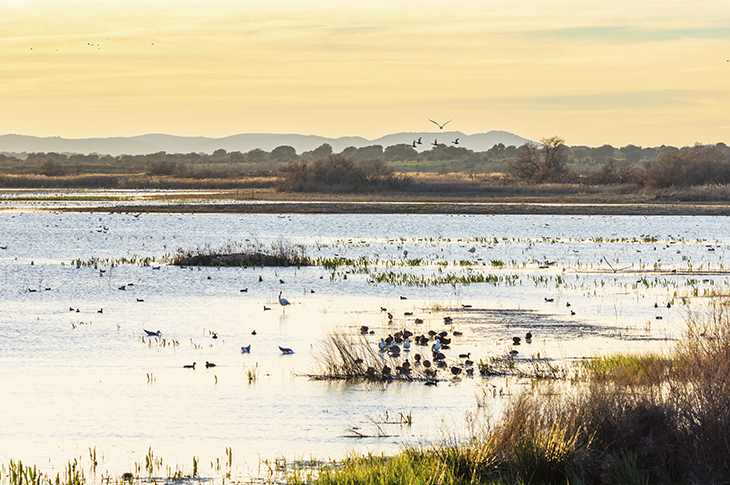
Alto Guadiana Mancha focuses its appeal around the Tablas de Daimiel National Park, offering both intimate local encounters and family-friendly discovery through a variety of experiences. Meanwhile, Molina de Aragón-Alto Tajo offers one of the most extensive collections of experiences, including rutting season observation, basket weaving, birdwatching, truffle tourism, shepherding, cheese tasting, starry nights, mushroom foraging and river excursions. The Campana de Oropesa focuses on the observation and conservation of Iberian birds of prey, highlighting the Iberian imperial eagle as one of its flagship species. Entreparques invites visitors to explore the subtle charms of the Mediterranean forest through Colors and Sensations in the Mediterranean Forest, while the Montes de Toledo offers an immersive adventure to discover the richness of its wildlife and flora up close. The Serranía de Cuenca offers unique experiences connected with stargazing, while the Sierra del Segura mountain range expands the offer with rock climbing, traditional plant knowledge, bread-making workshops, visits to the source of the Mundo River, breathtaking high mountain views, and a sensory journey down the Segura River.
Location
Castile-La Mancha is situated in the heart of Spain, sharing borders with seven autonomous communities. High-speed rail links serve Toledo, Ciudad Real, Puertollano, Cuenca, Albacete and Guadalajara-Yebes; the main airports nearby include Adolfo Suárez Madrid–Barajas, Valencia, Alicante–Elche and the Murcia Region.