
Castile and León boosts MICE tourism with historic venues and modern infrastructure
Network of heritage cities and specialized facilities drive the regional MICE sector
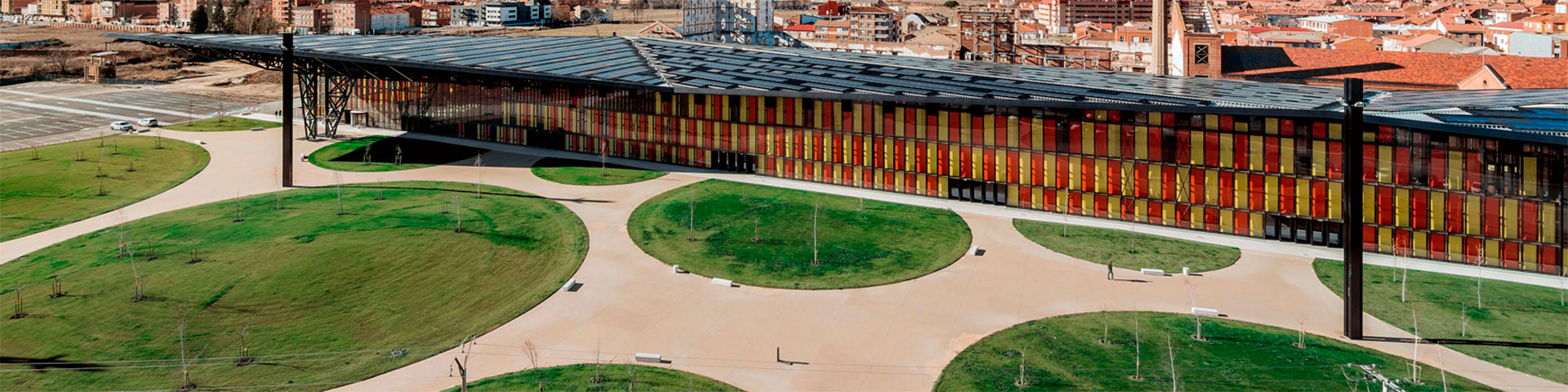
Castile and León has consolidated its positioning within the meetings-tourism sector thanks to a unique combination of historical heritage, specialized infrastructure, and good transport links. Modern conference centers, auditoriums, cultural spaces, and heritage venues coexist in cities that offer accessibility, organizational capacity, and solid hotel infrastructure. The sector’s growth in destinations such as León, Valladolid, or Burgos confirms the strength of a community that integrates culture, local gastronomy, and professional experience into its MICE proposition. The community has successfully structured a network of specialized venues, unique spaces, and professional services capable of hosting anything from scientific congresses to business meetings or corporate events of international scope. The diversity of its cities makes it possible to offer distinct environments for each type of event. In León, recognized by UNESCO as the Cradle of Modern Parliamentarism, the León Conference and Exhibition Center, and the City of León Auditorium bring together the majority of conference activity in a city that maintains links with sectors such as pharmaceuticals, veterinary science, and new technologies. Burgos, in turn, relies on the Fórum Evolución to channel an intense professional program that has significantly increased the number of attendees and the economic impact generated by meetings tourism.
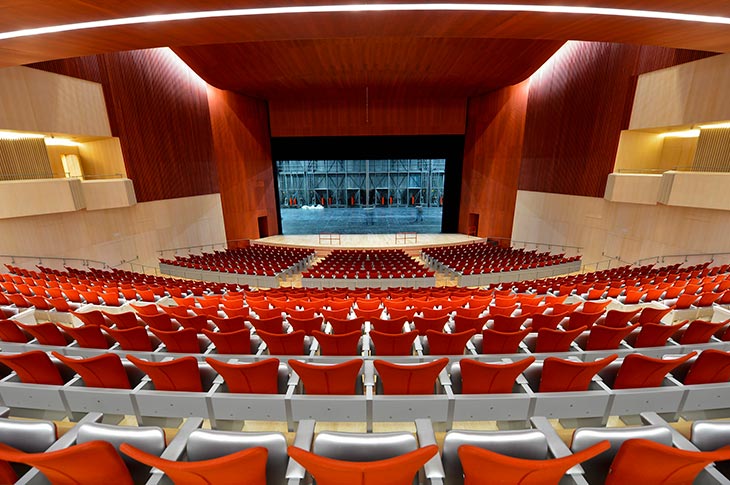
Valladolid rounds off this activity hub with a set of large-capacity venues, such as the Miguel Delibes Cultural Center, the Conde Ansúrez Conference Center, or the Feria de Valladolid, a versatile venue that hosts professional events and large cultural productions. In recent years, it has strengthened its positioning thanks to the organization of international meetings and specialized projects, including professional markets linked to wine tourism or the audiovisual industry. Alongside these major centers, a number of other cities offer up complementary settings for MICE tourism. Salamanca is home to a landmark Conference Center designed by Juan Navarro Baldeweg, and a network of cultural spaces capable of hosting professional meetings in the heart of the city’s historical heritage. Segovia adds proximity to the capital and its high-speed transport links as a strategic advantage, while Ávila, Zamora, Soria, and Palencia provide cultural venues, auditoriums, and conference centers that facilitate the organization of events in accessible and manageable urban environments. This destination’s appeal is further enhanced by the possibility of complementing these professional events with experiences related to heritage, nature, or gastronomy. The cities of Castile and León make it possible to combine conferences with monument visits, cultural activities, or a selection of wine and gastronomic offerings that add significant value to the professional visitor’s experience. The model, supported by a network of contemporary infrastructure and the use of historic spaces as events venues, positions the region as one of the most versatile inland destinations in mainland Spain for the development of MICE tourism.
Location
Castile and León is located in the north of inland Spain, bordering Portugal and the regions of Galicia, Asturias, Cantabria, the Basque Country, La Rioja, Castile-La Mancha, Aragon, Extremadura, and the Community of Madrid. It enjoys road connections to Madrid and the north of the country, as well as a high-speed rail network, and airports in Valladolid, León, Salamanca, and Burgos.