
Cantabria and its Indiano heritage: a journey through its architecture and roots
A journey through Comillas, Santoña, Solares, Arredondo, and other places marked by the Indianos
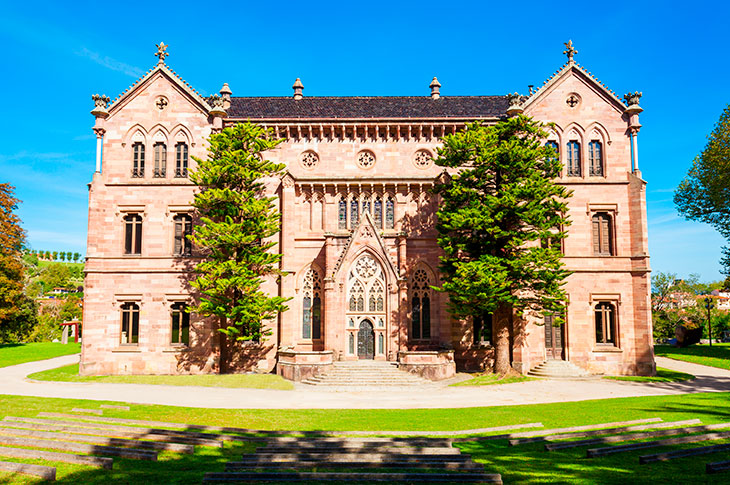
In Cantabria, the legacy of the Indianos (Cantabrians who set sail for the New World and returned having made their fortune) is reflected in palaces, chapels, estates, and monuments promoted by those who emigrated to America in the 19th and 20th centuries and returned determined to transform their place of origin. This architecture, tied to family memory and homecoming, offers the chance to discover towns marked by stories of success, deep cultural roots, and contribution to local development. Towns such as Comillas, Arredondo, Solares, Santoña, and Anero preserve buildings and celebrations that hark back to an era in which this homecoming resulted in distinctive architecture, public works, and philanthropic action. In Comillas, the impact of the Indianos is clear to see. The figure of Antonio López y López, Marquess of Comillas, drove the construction of some of the most representative complexes in the town. The Sobrellano Palace and its neo-Gothic style and gardens, together with the Chapel-Pantheon housing the family remains, form a unique site, key to understanding the splendor of this period. The Pontifical University rounds off this monumental ensemble. Every year, the Indiano Festival revives this historic atmosphere through costumes, music, and reenactments linked to the era.
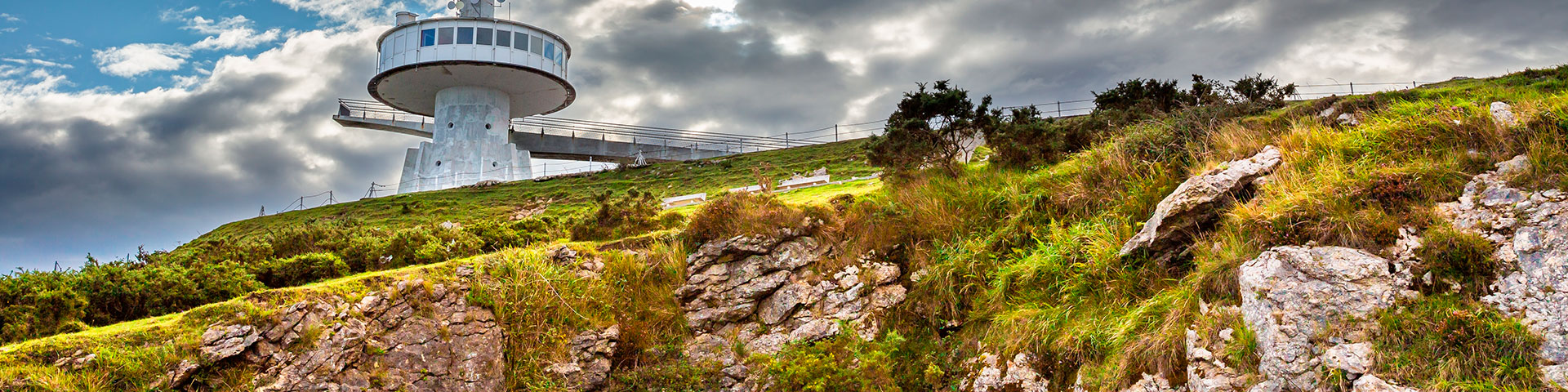
On Peña Cabarga, the Monument to the Indianos stands as a tribute to those who emigrated and later returned. Beyond its symbolic value, it offers a beautiful view of Santander Bay and the natural surroundings that characterize this area of Cantabria. Arredondo, known as the capital of the world because so many Indianos who made fortunes in America and brought wealth back upon their return emigrated from here, is home to one of the most essential testaments to this legacy: the neoclassical church of 1860, financed by Antonio Gutiérrez Solana. The temple’s tower, visible from much of the valley, bears witness to the project’s great scale and the determination to support local development. Solares offers up another significant landmark: the Marquess of Valdecilla Estate, originally built by Ramón Pelayo de la Torriente and today transformed into a museum. Its buildings and gardens evoke the residential style linked to the Indianos’ return, while the town keeps this memory alive with the Indianos Festival, uniting local participation and tradition. In the popular Santoña, the Manzanedo Palace is one of the most remarkable examples of this legacy. Built by Juan Manuel de Manzanedo, it currently houses the town hall and stands out for its scale and design: a direct reflection of the Indianos’ economic and social impact on the town. Anero adds the Los Falla Palace to the route, whose design and ornamentation hark back to influences acquired during the family’s time in Mexico. Together, these towns reveal a legacy that transcends architecture. Cantabria’s Indiano heritage makes up a historical and cultural journey that allows visitors to understand these emigrants’ homecoming transformed the local lands and left a heritage that continues to define the region’s identity.
Location
Cantabria is a region in northern Spain, located along the Cantabrian coast. It is mainly accessed via Seve Ballesteros–Santander Airport. The region is connected by the A–8 and A–67 highways, the Port of Santander with its regular maritime links, and Renfe and FEVE train stations connected with Spanish cities.