
Hidden gems to discover a less traveled Cantabria
Nature, history, and tranquility come together in five unique destinations across northern Spain’s Cantabria region
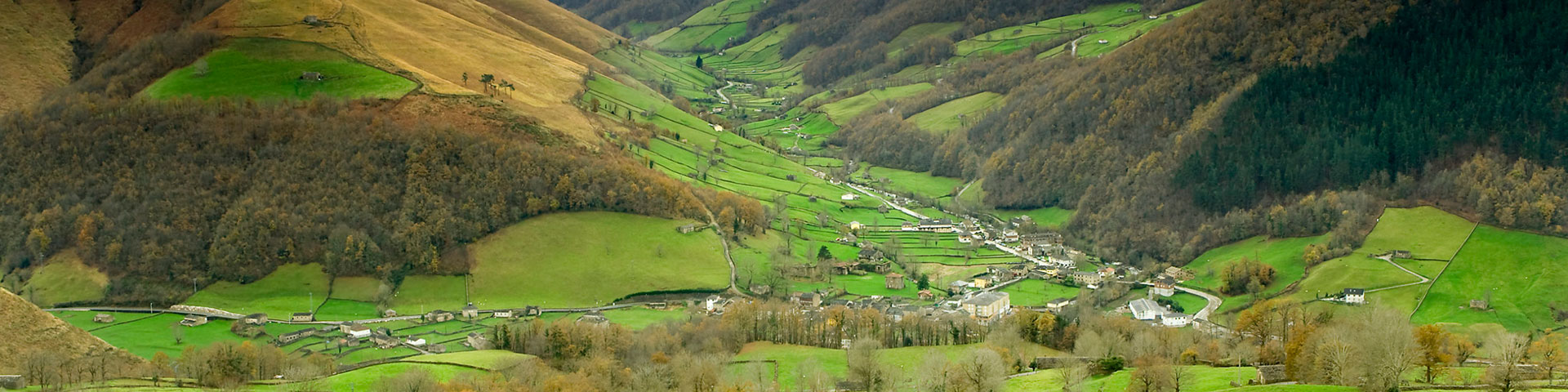
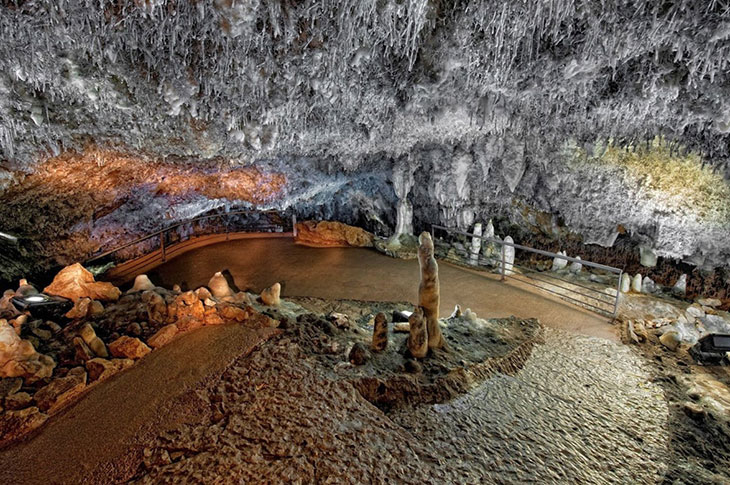
Nestled among mountains, caves, and valleys, Cantabria is home to some hidden gems left untouched by mass tourism, where nature reveals itself at its most pristine. From trails winding through endless beech forests to unusual sanctuaries and timeless beaches, Cantabria invites you to explore a more intimate, authentic side of the region—a leisurely journey through secret landscapes, rich traditions, and tranquil silence. Visitors venturing into the El Soplao Cave will quickly understand why it’s known as the Sistine Chapel of Geology. Situated between Valdáliga and Rionansa, it captivates with its eccentric formations, crystalline galleries, and mysterious underground atmosphere. Beyond the standard tour, an adventure route leads visitors to explore areas in their natural, untouched state, equipped with helmet and headlamp, for an experience as thrilling as it is unforgettable.
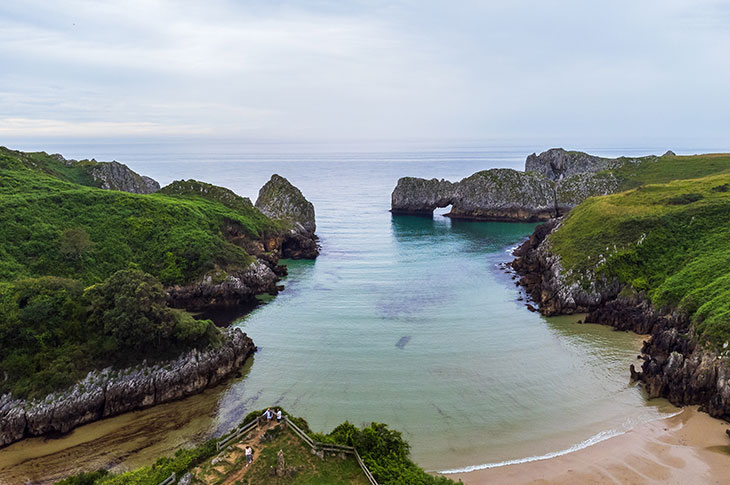
A short distance away, amid a unique environment, lies the San Román de Moroso Hermitage, in Bostronizo (within Arenas de Iguña), one of the best-preserved pre-Romanesque churches in northern Spain. Nestled among oaks and steeped in legend, its setting appears to have been made for quiet reflection. Visitors who make the journey here will discover not just a 10th-century architectural gem, but also a spiritual sanctuary embraced by the forest. At the heart of the Pasiego Valleys, Alto del Caracol presents one of Cantabria’s most breathtaking panoramic viewpoints. Here, the road winds upwards through meadows and traditional cabins, reaching a vantage point from which the landscape unfolds into an endless chain of valleys. The Pasiegos, heirs to a pastoral mountain lifestyle, perpetuate a way of life that embodies the region’s most authentic identity. Meanwhile, the coastline has plenty of secrets to share too. On the western coast, Berellín Beach, near Prellezo (in Val de San Vicente), lies tucked away among cliffs and rock formations that reveal a natural turquoise lagoon at low tide. Further east, Antuerta Beach, near Ajo (in Bareyo), retains its wild, untouched charm—with no facilities or crowds—while Oyambre combines dunes, meadows, and open sea within a serenely beautiful protected area.
For those eager to escape inland, the Saja-Besaya Nature Park is a real green lung, stretching out over the heart of Cantabria. Its beech forests—some of the largest in northern Spain—are home to wildlife such as roe deer and wolves, and feature well-marked trails like the Pozo de la Arbencia route. This is the perfect place for leisurely walks, listening to the forest, and discovering why Cantabria remains synonymous with vibrant nature. Location Cantabria is situated in northern Spain, between the Cantabrian Sea, Asturias, Castile and León, and the Basque Country. It is well connected via the A-8 and A-67 motorways, served by Seve Ballesteros-Santander Airport and the port of Santander, and offers Renfe train services to Madrid, Bilbao, and Oviedo.