
Canary Islands: outdoor activities all winter long
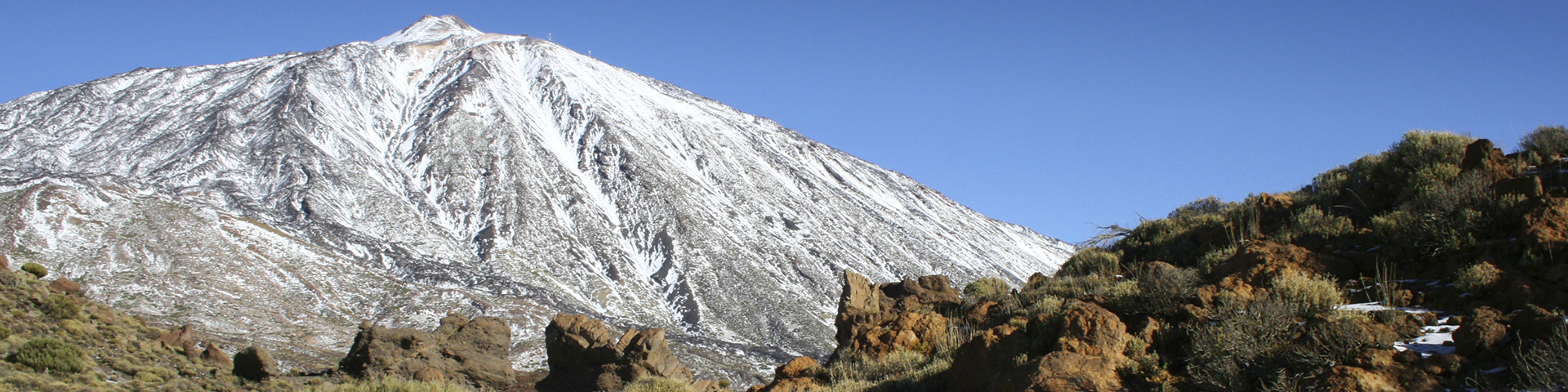
When the cold takes over much of Europe, the Canary Islands offer another way to experience winter, thanks to their mild temperatures and the light that extends the days. The archipelago thus becomes an attractive setting for staying active and enjoying the landscape. Cycling with the Atlantic by one’s side, passing through a laurel forest or tasting a selection of wines among volcanic ashes are part of an experience where there’s no need to wrap up warm. Canarian winters are not so much about the calendar and more about the way in which the light, landscape and rhythm of the days change. Humidity intensifies the green hues in the higher areas, the almond trees begin to bloom and in Gran Canaria, species such as the oro de risco (Anagyris) flower at the end of winter, while the sun continues to warm the dunes of Maspalomas and the coastal sands. During a single day, microclimates allow one to move from mild environments by the sea to much cooler mountain settings. Nature offers one of the most compelling reasons to travel during these months. The national parks of Teide, Timanfaya, Garajonay and Caldera de Taburiente feature volcanoes, laurel forests, ravines and trails, while more than 1,500 kilometres of coastline offer a different collection of landscapes: cliffs, natural pools and beaches where swimming is a constant part of the experience. Those who long for winter landscapes can see the peaks of Teide or the Roque de los Muchachos covered with snow.
The Atlantic adds movement to the experience. Surfing can be practiced on various islands and takes on special prominence in Fuerteventura and Lanzarote. The former merges waves for all levels with some of the best Atlantic breaks between October and April, as well as protected spots. In Lanzarote, Famara allows children to get a taste of the activity, providing a surfer atmosphere for the whole family. Windsurfing has clear references in Fuerteventura, in El Médano (Tenerife) and in Pozo Izquierdo (Gran Canaria). In addition, diving, snorkelling, cycling and hiking routes are favoured by a climate that permits outdoor activities for much of the winter. Winter is also a season in which to observe the archipelago more calmly. In Tenerife and Gran Canaria, whale and dolphin watching excursions allow visitors to encounter these marine mammals up close. In Lanzarote, a bicycle and binoculars are all one needs to explore the marina of Arrecife and observe migratory birds. Local cuisine accompanies this change of pace. Stews, corn broths, creams and Christmas sweets coexist alongside fresh fish, cheeses, gofio and a cooking tradition with extensive recognition. Wine also opens up its own routes: Canarias currently has eleven protected designations of origin, ten of island or regional scope and the DOP Canary Islands. The urban heritage adds another layer to the journey. San Cristóbal de La Laguna, Santa Cruz de La Palma, San Sebastián de La Gomera or Valverde allow for the interlinking of nature with architecture, museums and visitor centres. Gran Canaria adds its markets, wineries, theatre, museums, music and carnival to this winter mosaic. Fuerteventura combines less crowded beaches with cycling, swimming, Lobos Island or Corralejo, while in La Palma, La Gomera and El Hierro, the natural landscapes and historic centres continue to offer many ways to explore the islands during the colder months. Location The Canary Islands are an autonomous community of Spain located in the Atlantic Ocean, off the northwest coast of Africa. Their main access points are the airports of Gran Canaria, Tenerife South, Tenerife North–Ciudad La Laguna, Fuerteventura and César Manrique–Lanzarote, as well as the ports of Las Palmas and Santa Cruz de Tenerife.