
Canary Islands in September: the Atlantic as a great refuge
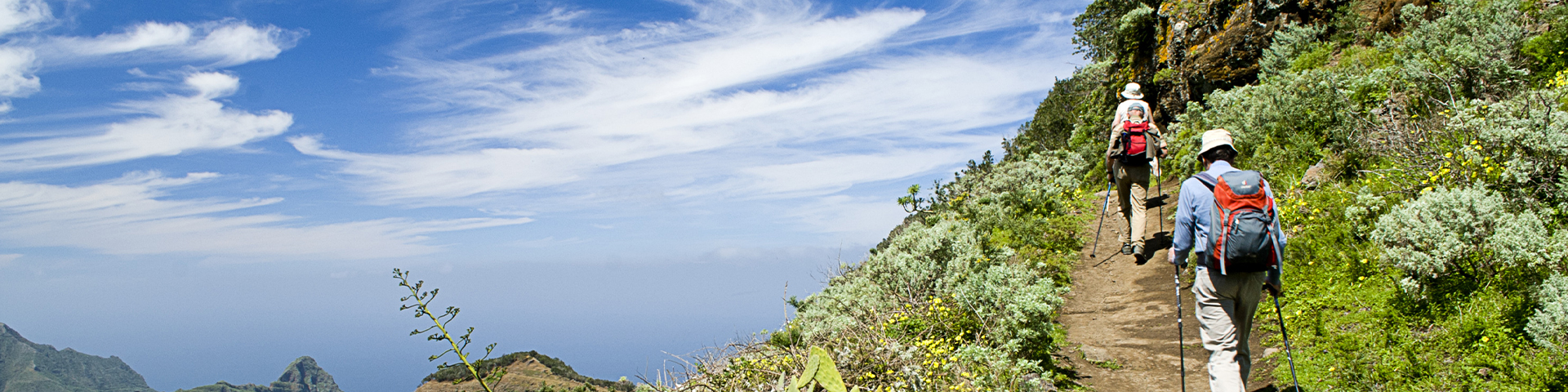
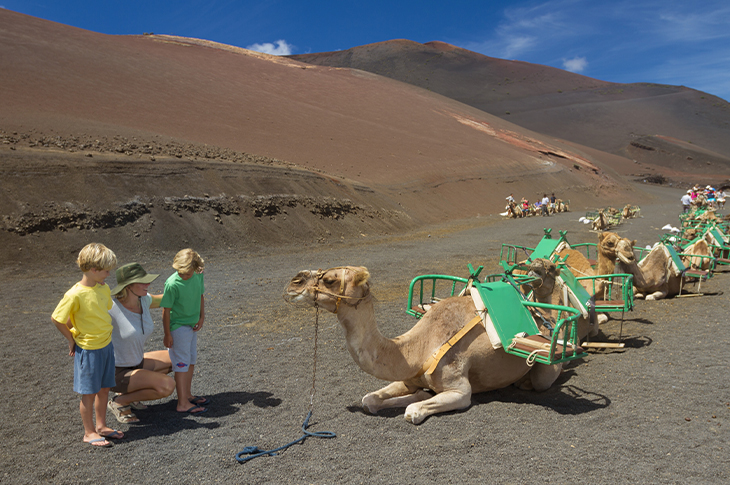
September opens a particularly attractive season in the Canary Islands, inviting travel at a different pace: pleasant temperatures, around 12 hours of daylight, less crowding, and a calendar combining grape harvests, patron saint festivals, trails, characterful villages, local cuisine, and outdoor experiences. At this time of year, the archipelago reveals a more leisurely, diverse, and experiential dimension, where both landscape and culture invite visitors to discover the destination from a more authentic perspective. Each island maintains a recognizable personality, made up of accents, crafts, classical architecture, and landscapes that change over short distances. La Orotava, in Tenerife, retains the charm of its stately houses, cobblestone streets, and wooden balconies; Teror, in Gran Canaria, combines heritage, local life, and a Sunday market; and Betancuria, in Fuerteventura, preserves the rural atmosphere of the island’s historic heart. Haría, in Lanzarote; Agulo, in La Gomera, and Valverde, in El Hierro, complete an itinerary of towns where the journey can be measured in viewpoints, terraces, museums, and artisanal shops. The Canary Islands also offer a vast natural repertoire. In Tenerife, the Teide National Park allows visitors to explore volcanic landscapes and admire the highest peak in the country; in La Palma, the Caldera de Taburiente unfolds trails amid pine trees, ravines, and waterfalls; and, in La Gomera, the Garajonay National Park features a laurel forest with an immersive setting. The Timanfaya National Park, in Lanzarote, displays the mineral force of lava, while Tamadaba, in Gran Canaria, offers inland trails with open views towards the Atlantic.
September is also harvest time. The islands' wine-growing tradition, rooted in the arrival of the vine after the European conquest in the 15th century, includes two highly significant grape varieties: the Malvasía Volcánica and Listán Negro. Walking among vineyards, approaching agricultural landscapes, and discovering local products allows visitors to connect with an archipelago connected to the land, its small producers, and a cuisine rich in nuances. Gran Canaria synthesizes much of that diversity. Its condition as a “miniature continent” is reflected in the transition between coast and summit, in its Biosphere Reserve and in the Cultural Landscape of Risco Caído and the Sacred Mountains of Gran Canaria, listed as a UNESCO World Heritage Site. Added to this is the Gran Canaria Wine Route, the only one in the Canary Islands and the only one outside the mainland territory within the Wine Routes of Spain product club, featuring wineries, restaurants, accommodations, cheese producers, estates, and bochinches that bring travelers closer to the local wine culture. September's agenda also includes a strong cultural component. The Fiesta del Pino (Teror) combines a pilgrimage, processions, dances, and carts loaded with local products. In Lanzarote, the Romería de Los Dolores pilgrimage unites devotion, folklore, timples, cheese, wines, and the traditional Baile del Romero dance in Mancha Blanca. In Fuerteventura, the Virgen de la Peña festival brings together tradition, songs, and guitars for one of the oldest celebrations of the archipelago. The Canary Islands present themselves as a destination not only to visit but to be interpreted through their landscape, memory, and ways of celebrating. Location The Canary Islands are a Spanish autonomous community located in the Atlantic Ocean, southwest of the Iberian Peninsula and off the northwest coast of Africa. The main access is by air, through airports on its main islands. It also has seaports such as Las Palmas and Santa Cruz de Tenerife. Land mobility is organized through island roads and there is no interurban railway network.