
Diving in the Canary Islands: an ocean of landscapes and biodiversity to discover
Dives in marine reserves and volcanic landscapes to take your breath away under the Atlantic
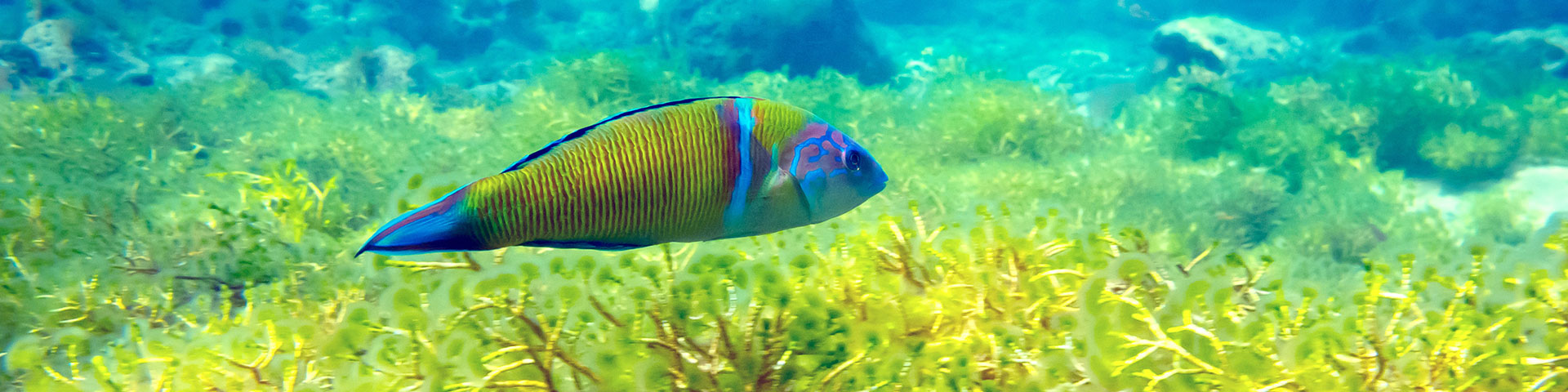
The Canary Islands have established themselves as one of the most sought-after international destinations for practicing scuba diving and underwater activites thanks to the uniqueness of their volcanic seabeds, the clarity of their waters, and the great wealth of marine biodiversity that astonishes both experts and beginners. With mild temperatures throughout the year and locations that combine history, unique landscapes, and nature reserves, the archipelago offers a constant invitation to discover an underwater world of unparalleled beauty. Exploring the seabeds in thee Canary Islands means much more than diving into the Atlantic Ocean. Each island presents its own distinctive character, with places sure to enchant underwater photographers and divers of all levels. From volcanic reefs with luminous landscapes to underwater cemeteries packed full of symbolism, the experience is varied and unforgettable. Gran Canaria offers some of the archipelago’s most renowned dive sites, such as El Cabrón, a marine reserve recognized as one of the best in Europe and teeming with angel sharks, moray eels, and seahorses. On the same island, Las Canteras Beach combines urban accessibility with ideal conditions for beginners to enjoy snorkeling and tankless diving, making it perfect for families and novices alike. In Tenerife, the volcanic landscape takes center stage. La Catedral, near Puerto de la Cruz, amazes with its 65-foot-high structure pierced by sunlight, creating a unique visual spectacle. In the south, Montaña Amarilla, on the Costa del Silencio, reveals an underwater environment made up ofcaves and rocky terraces that captivates both beginners and experienced divers. In Lanzarote, the Atlantic Museum reveals itself as Europe's only underwater museum, where sculptures by the British artist Jason deCaires Taylor coexist with marine life in a setting as artistic as it is astonishing. Meanwhile, El Hierro boasts the La Restinga – Mar de Las Calmas Marine Reserve, a site in which visitors will discover what it feels like to fly underwater thanks to the transparency of its seabeds and the abundance of fish, manta rays, and—occasionally—cetaceans.
La Palma, declared a UNESCO Biosphere Reserve, invites you to explore one of the archipelago’s most unique sites: the Malpique Crosses, an underwater cemetery made up of forty stone crosses honoring the martyrs of Tazacorte. This site blends history and nature in a setting packed full of symbolism and remarkable marine biodiversity. Fuerteventura also captivates with spots like Veril Grande, located opposite the Jandía lighthouse, where angel sharks, guitarfish, and whale sharks can occasionally be spotted. The island of Lobos offers stunning underwater landscapes, perfect for those who enjoy snorkeling. Finally, La Gomera showcases lava and basalt landscapes at sites like Iguala I, where water clarity often exceeds 100 meters. It is an ideal destination for those seeking dives in pristine environments teeming with endemic biodiversity. In sum, the Canary Islands are an unrivaled destination for lovers of the sea. Its natural features, rich history, and pristine, crystal-clear waters solidify the archipelago’s reputation as a true diving paradise—where every dive is a unique experience. Location The Canary Islands archipelago, made up of seven main islands, is situated in the Atlantic Ocean, southwest of the Iberian Peninsula and off the northwest coast of Africa. It is served by international airports on Tenerife, Gran Canaria, Lanzarote, Fuerteventura, and La Palma, as well as inter-island and maritime ports.