
A cultural journey through the Canary Islands: heritage, museums and traditions
torical houses, sacred landscapes and artisan crafts reveal the cultural diversity of the islands
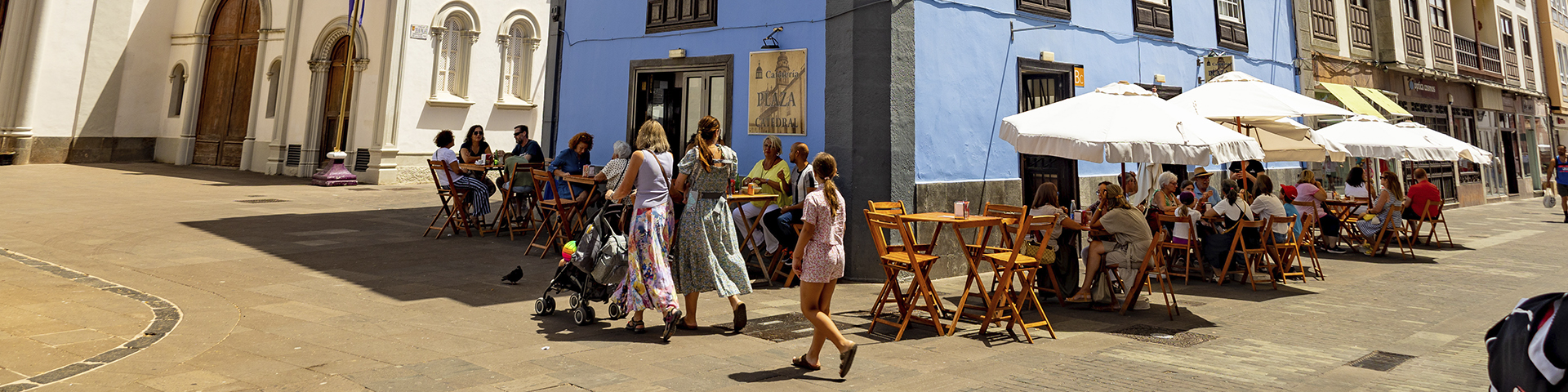
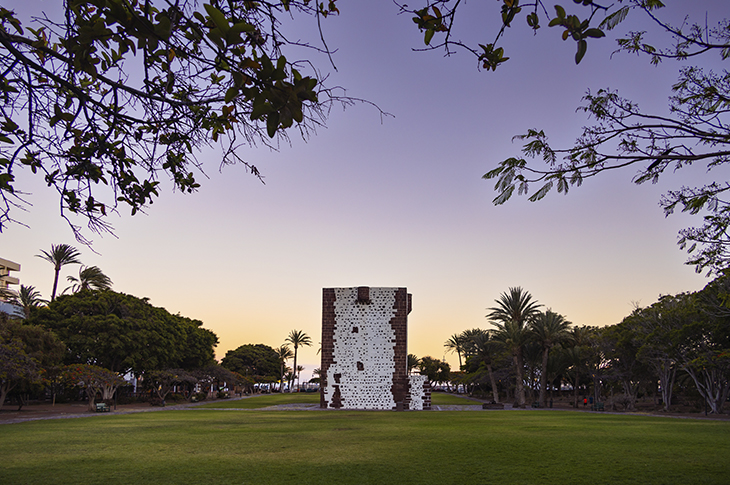
An exploration of the Canary Islands through its culture and heritage means a journey through aboriginal relics, historic cities, museums, artisan workshops, traditional music, visitor centres, caves and spaces where art interacts with the landscape – a concept that takes on unique nuances on each island. This diversity allows for an evolution from contemplation to the understanding of ancient ways of life, without losing the thread of an identity that expresses itself differently in each destination. Gran Canaria offers one of the most extensive routes. In Las Palmas de Gran Canaria, the Canario Museum gives visitors a glimpse into the life of the aborigines, while Columbus’ House links the island’s history with America and the Atlantic Center for Modern Art (CAAM) shines a spotlight on contemporary creation from Africa, America and Europe. Outside the capital, the Cueva Pintada Museum and Archaeological Park in Gáldar, the Maipés de Agaete and the Risco Caido and the Sacred Mountains of Gran Canaria Cultural Landscape place archaeology at the forefront. Culture also comes alive in the streets during celebrations such as the Las Palmas Carnival. In Tenerife, culture can be explored on foot. The historic district of San Cristóbal de La Laguna, recognized by UNESCO, offers a bustling coexistence of historical houses, museums, local crafts and festivals. The Casa de los Balcones and Casa Lercaro in La Orotava evoke other ways of inhabiting the island, while popular culture makes an appearance at events such as the Festival of Traditions in Garachico or the Pinolere Craft Fair. La Gomera incorporates an especially creative dimension. San Sebastián de La Gomera preserves the Torre del Conde, the Pozo de la Aguada and the Church of the Assumption; Vallehermoso upholds the memory of poet Pedro García Cabrera and Agulo maintains the legacy of artist José Aguiar. In the capital, the Museum of Archaeology allows a deep dive into the world of the island’s first inhabitants through archaeological pieces, rock engravings and a life-sized recreation of a sacrificial altar. Also noteworthy is the Silbo Gomero, which is a unique language that connects landscape, communication and tradition and has been recognized by UNESCO as an Intangible Cultural Heritage of Humanity.
Lanzarote’s culture finds one of its essential figures in César Manrique. The César Manrique Foundation invites visitors to immerse themselves in his work and his unique dialogue with the territory: its building is structured around five volcanic bubbles transformed into rooms, exemplifying the integration of creation, nature and landscape. Meanwhile, La Geria offers a landscape that is closely tied to the island’s identity. La Palma extends an invitation to trace the past through archaeological parks, spaces dedicated to traditions such as saltworks, sugarcane cultivation or silk weaving as well as visitor centres. Its architecture reflects various cultural influences, including Flemish art introduced by settlers following the island’s incorporation into the Crown of Castile. The festive calendar also features Los Indianos, when the streets of the capital fill with Creole-inspired costumes and the characteristic talcum powder fight takes place. Fuerteventura exhibits the classic Majorero architecture of the Ecomuseo La Alcogida, the Archaeological Museum of Fuerteventura in Betancuria and agricultural systems like the gavias and nateros of Guisguey. La Alcogida also offers the chance for a close-up look at the work of artisans and how they carry out their crafts. El Hierro invites visitors to examine a culture that is closely linked to nature and customs that have been passed down through generations. Learning about how the Bimbaches lived, joining in local celebrations such as Los Carneros de Tigaday or the Bringing down of the Virgin of Los Reyes and discovering trades like weaving, pottery, carpentry and basketry reveal an identity that remains alive to this day. Wood, ceramics and wicker continue to shape utensils, instruments and garments linked to both daily and festive life. From this perspective, the Canary Islands present themselves as a territory best understood when listened to, observed and explored by entering their museums, following the footsteps of their ancient inhabitants, recognizing traditional inherited trades and discovering how each island has developed its own way of telling its story.
Location
The Canary Islands are a Spanish autonomous community located in the Atlantic Ocean, off the northwest coast of Africa. The main access points are the airports of Gran Canaria, Tenerife South, Tenerife North–Ciudad de La Laguna, Fuerteventura and César Manrique–Lanzarote, as well as the seaports of Las Palmas and Santa Cruz de Tenerife.