

Experiencing Cádiz to the rhythm of flamenco in the footsteps of three icons
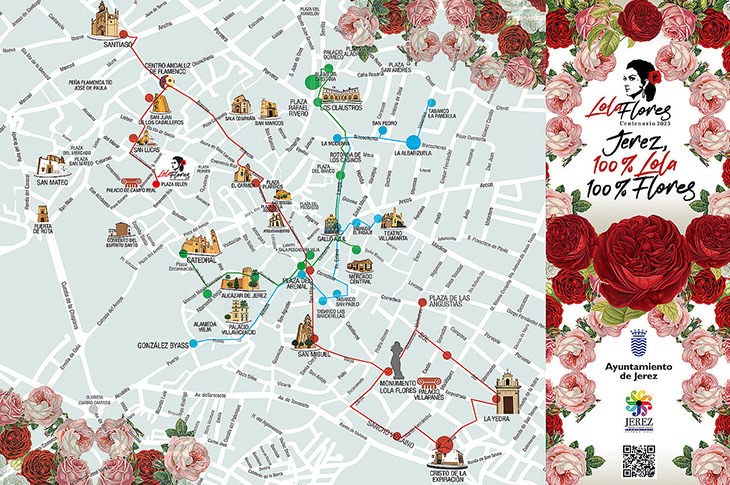
Cádiz offers a way to experience flamenco by exploring the places that defined the life and work of Lola Flores, Camarón de la Isla and Paco de Lucía, three true icons with intimate ties to Jerez de la Frontera, San Fernando and Algeciras. The various routes link birthplaces, neighbourhoods, squares, visitor centres and everyday scenes, composing a journey through memory, landscape and the roots of an art that is deeply connected to the province and the country. Lola Flores, born in Jerez de la Frontera in 1923 and known as La Faraona, was an artist who stood out thanks to her singing, dancing, stage presence and a personality that made her one of the most representative figures to be born in the city. The Jerez route offers three itineraries. The Footsteps of Little Lola explores the flamenco spots between San Miguel and Santiago, from Calle Sol to churches, squares and her monument, recalling the years when she attended dance academies and submerged herself in the local songs and traditions. Walks of Light and joy delves into her youth through an itinerary set among wineries, palaces, traditional taverns and shops, with stops at Alameda Cristina, Calle Larga, the Santo Domingo Cloisters, the Mercado de Abastos, the Alcázar and the Cathedral. The Paths of Lola's Art follows her reunion with Jerez through spaces that evoke her essence and roots. All lead to the Lola Flores Visitor Centre, where photographs, costumes, screenings, interviews and letters permit a closer look at her artistic and personal facets.
San Fernando invites visitors to learn about José Monje Cruz, Camarón de la Isla, whose career revolutionized flamenco singing. This itinerary begins in Las Callejuelas, the fishing neighborhood in which he was born and spent his early years, among modest houses, workshops, marshes and salt flats. The birthplace and family forge help reconstruct this environment: his father was a blacksmith and aficionado of cante jondo, and Camarón listened to fandangos and saetas from the time he was a child. The route continues through Venta de Vargas, the monument dedicated to the cantaor, the Iglesia Mayor, his mausoleum and the Peña Camarón de la Isla. One of the essential stops is the Camarón de la Isla Visitor Centre, which traces his life and career by way of audiovisual content organized around three concepts: Origin, Legend and Revolution. The visit conveys the fact that the connection to San Fernando does not function solely as a biographical memory, but as a gateway to a voice that changed the way flamenco is interpreted.
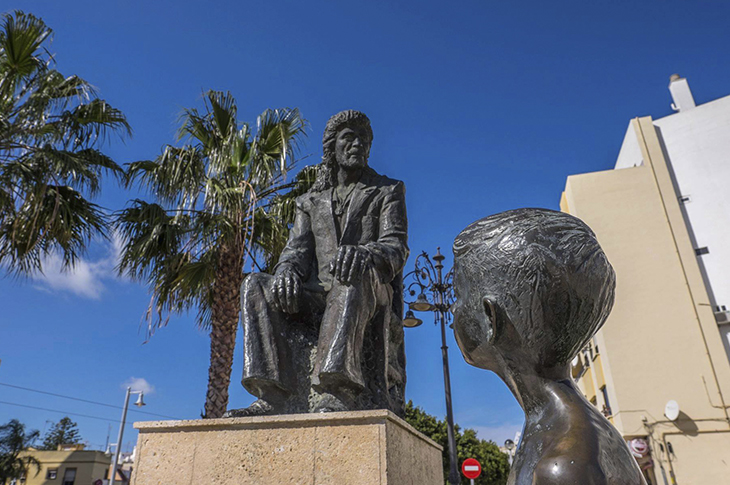
Algeciras concludes this triangle of emotion with Paco de Lucía, born Francisco Sánchez Gómez in 1947 and universally considered one of the greatest references in flamenco guitar. Born into a family environment closely tied to flamenco, his career expanded the language of the genre through openness to other disciplines and an international career that took his guitar to stages all over the world. His collaboration with Camarón also holds a decisive place in this revival. The route starts in Calle San Francisco, where he was born, linking the spaces of his childhood and memory with places related to his work. The Paco de Lucía Visitor Centre is home to guitars, records, documents, personal objects and screen projections that explain his creative evolution. The tour continues on to settings such as Punta del Faro, the Río de la Miel or El Rinconcillo, where the experience leaves the museum to return to the territory that accompanied the musician.

Location The province of Cádiz is located in the southwest of Andalusia, between the Atlantic Ocean and the Strait of Gibraltar. Its main road accesses are the A–4, A–48, A–381 and A–7. It features Jerez Airport, railway connections in the main cities and the Port of the Bay of Cádiz.