
Cabárceno: the restored ecosystem redefining the wildlife experience
Research, environmental education, and immersive offerings in Cantabria
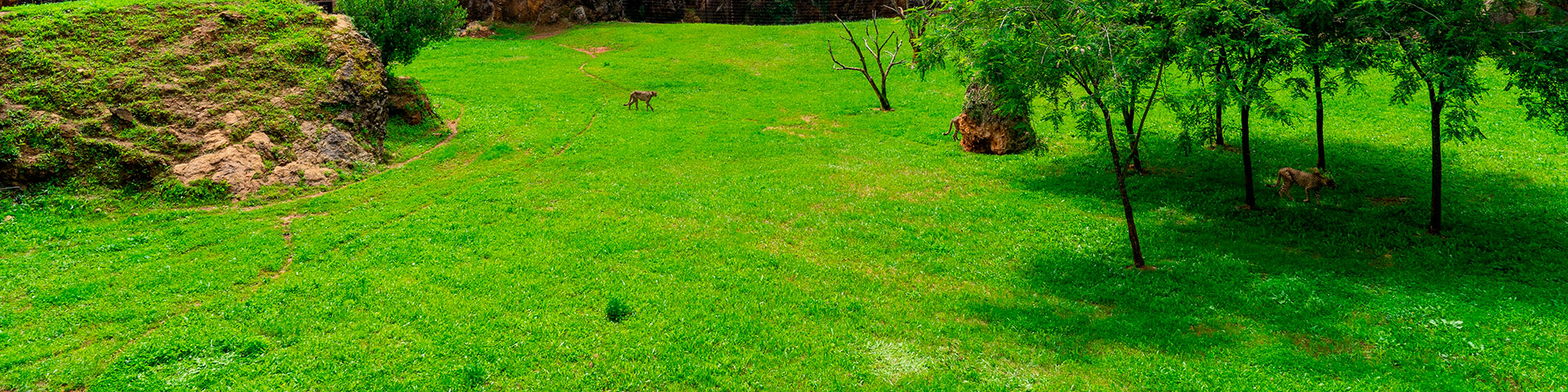
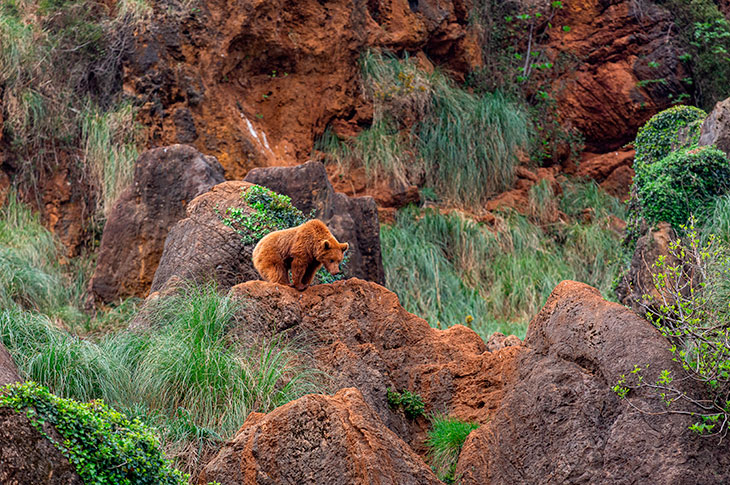
The Cabárceno Nature Park, in Cantabria, has established itself as one of the major European leaders in wildlife management and observation thanks to a model that integrates conservation, research, and education within a natural space recovered after centuries of mining activity. With more than a hundred species from six continents living in semi-wild conditions, extensive educational infrastructure, and immersive experiences such as Wild Visit, the park offers a unique proposal in northern Spain, combining scientific outreach and pedagogical activities aimed at diverse audiences, including families. Cabárceno is the result of a profound transformation within the northern territory. Where iron ore was once extracted, today a landscape stretches out shaped by environmental restoration, transformed into the so-called Lung of Cabárceno. The planting of more than 5,000 trees and the regeneration of meadows have made it possible to create an environment not only home to fauna, but one which also promotes plant biodiversity, pollinators, and migratory birds. Within its extensive enclosures, designed to promote semi-freedom and the coexistence of species, more than one hundred species of animals live, from six continent across the world. African elephants, white rhinoceroses, western lowland gorillas, brown bears, European bison, and Grévy's zebras make up an inventory that combines iconic species with Iberian fauna and native breeds. These vast spaces allow visitors to observe their behaviors and reinforces the commitment to animal welfare. The park has shaped its identity around three clear pillars: conservation, research, and education. As a zoological facility, it develops projects that contribute to the protection of endangered species and participates in breeding programs aimed at ensuring their survival. This scientific approach is conveyed to visitors through interpretative spaces such as the Bear House, created in collaboration with the Fundación Oso Pardo (Brown Bear Foundation), the Environmental Classroom, and the 360º Room, conceived as an immersive outreach experience.
One of the park’s most distinctive offerings is the Wild Visit, a guided off-road vehicle tour that enables access to restricted areas and firsthand knowledge of the caretakers’ daily work. This experience provides a technical insight into nutrition, physiology, social dynamics, and veterinary protocols. The park’s layout offers a variety of ways to explore—cable car, green trails, internal shuttle, or recommended itineraries—and makes it possible to adapt visits to a range of very different audience profiles. In this regard, Cabárceno has also established itself as a consolidated family tourism offering. By combining learning, close contact with animals, and safe spaces, it fosters a shared experience in which emotion becomes an effective tool for environmental awareness. Cabárceno therefore represents a model of restored nature that integrates biodiversity, scientific rigor, and educational experiences. A destination where conservation is not merely an accessory, but the axis around which the entire visit is articulated.
Location
Cabárceno Park is located in the municipality of Penagos, in Cantabria, northern Spain, about 10 miles from Santander. It is mainly accessed via the CA–142 road, connected to the A–8. The nearest airport is Seve Ballesteros–Santander. The city of Santander also enjoys transport links via a seaport and a train station with regional and national connections.