

From mountain ranges to salt flats: the Region of Valencia as a leading destination for birdwatching
350 species and 4 major habitats define the Valencian ornithological map
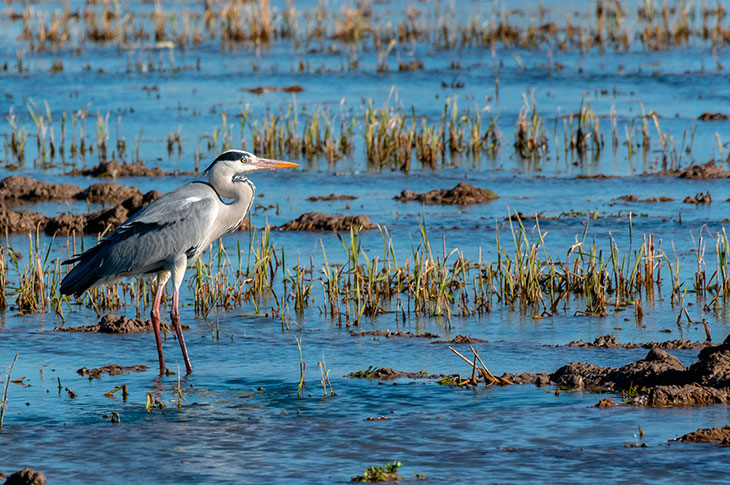
The Region of Valencia has established a distinctive positioning as a destination for birdwatching, supported by its remarkable environmental diversity and its strategic location along the migratory routes connecting northern Europe with Africa. With over 350 species recorded throughout the year and a network made up of 22 nature parks and 40 Special Protection Areas for Birds (SPAs), the territory offers a structured, competitive, and attractive product in all seasons. The great variety of habitats represents one of its main assets. Mountainous areas, which in some cases exceed 5,900 feet in altitude, are home to holm oak forests, pinewoods, and juniper groves crossed by rivers and canyons. In these areas, iconic species take refuge—such as the Bonelli's eagle, the golden eagle, the Egyptian vulture, the griffon vulture, or the eagle-owl. Places like the Tinença de Benifassà Nature Park, Peñagolosa, the Sierra de Espadán, or Alto Turia are particularly appreciated for watching raptors—both diurnal and nocturnal. Coastal wetlands and marshes make up another major pillar. The Albufera of Valencia, the Pego-Oliva Marshes Nature Park, the Prat de Cabanes-Torreblanca Nature Park, or the Santa Pola salt flats are all settings revealing high concentrations of waterfowl and marsh passerines. Flamingos, glossy ibises, marbled ducks, white-headed ducks, western swamphens, or Audouin's gull are just part of a catalog of birds significantly enriched during the pre-mating and post-mating migratory passages. The coastline, spanning over 300 miles, includes coastal mountain ranges, cliffs, and the Columbretes Islands Nature Reserve, where the Eleonora's falcon breeds.
The steppe areas of southwestern Valencia round off this mosaic with species such as the great bustard, lesser kestrel, or black-bellied sandgrouse, while the semi-arid landscapes of inland Alicante are perfect for spotting rare birds like the trumpeter finch or the black wheatear. This ecological diversity makes it possible to create themed itineraries adapted to different levels of specialization. Meanwhile, the area’s infrastructure supports this natural wealth. The community offers around 17 marked routes, observatories integrated within the environment, and specialized companies offering guided tours and photographic experiences based on environmentally respectful criteria. The observer's code of ethics, aligned with the Spanish Ornithological Society (SEO Birdlife), reinforces this commitment to a responsible model. This natural foundation is complemented by an experiential dimension, with proposals that combine birdwatching with visits to wineries in areas such as Alto Turia, the Hoces del Cabriel, the Sierra de Mariola, or Peñagolosa, as well as tastings of oils from thousand-year-old olive trees, truffles, honey, and other iconic local products. The accessibility of this infrastructure and the quality of accommodation available complete a specialized offer with international appeal throughout the year.
Location
The Region of Valencia is located on the Mediterranean coast of eastern Spain. It is connected via the AP–7 (coastal route) and the A–3 (Madrid–Valencia). It enjoys transport links through airports in Valencia, Alicante-Elche Miguel Hernández, and Castellón; maritime ports in Valencia, Alicante, and Castellón; and a high-speed and medium-distance railway network.