
Frontons, history, and culture: Basque pelota as a tourism pillar in Pamplona
From summer on, the city unveils a calendar that connects sport, heritage, and culture
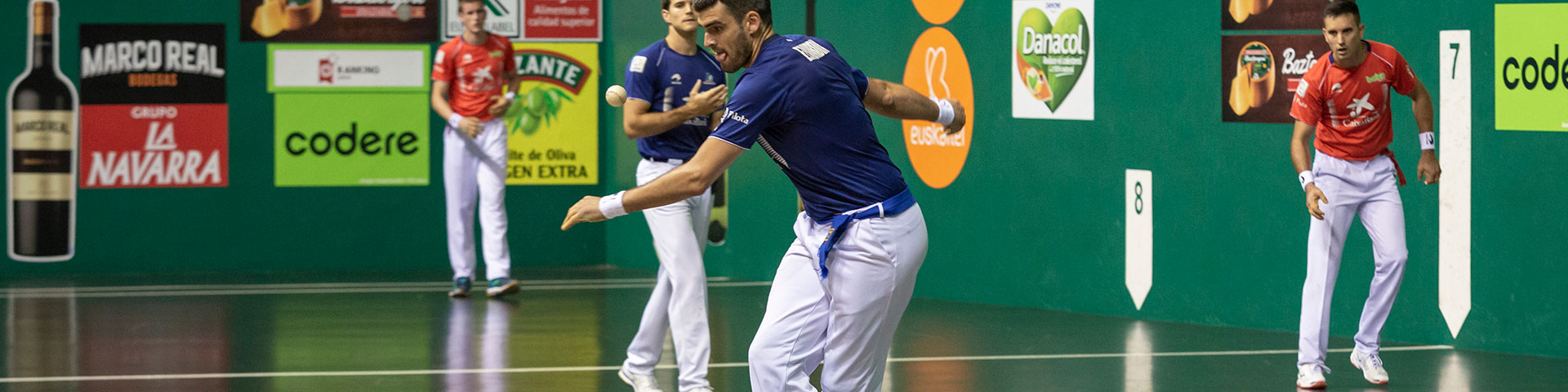
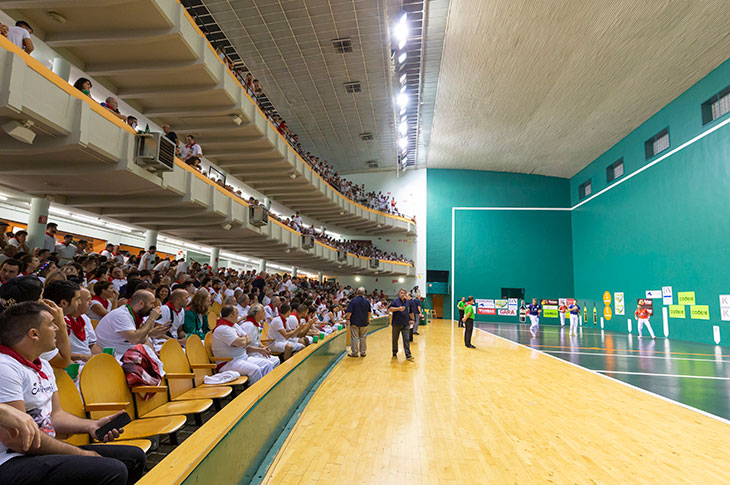
Pamplona has transformed Basque pelota into one of the strongest pillars upon which to shape a tourism offering based on identity, heritage, and experience. This sport, deeply rooted in the city’s daily life since the Middle Ages, now weaves together a narrative connecting urban history, architecture, culture, and gastronomy. From summer onwards, a calendar of competitions, guided tours, and specialized gatherings invites visitors to discover the destination through a tradition that continues to define its social landscape. The relationship between Pamplona and Basque pelota is embedded in the city’s very historical development. Its practice has been documented since the Middle Ages and, for centuries, the sport was played in streets, squares, and open spaces. The game's popularity reached such heights that, in the 18th century, authorities restricted its practice in the streets and near churches due to the risk of stray balls, which ultimately led to the establishment of dedicated spaces for the sport. Within this context, unique variants developed, such as laxoa—played with heavier balls—and other specialties that incorporated new tools. Pamplona also stands out as the birthplace of remonte, a fast-paced version that propels the ball using a curved cesta glove. From that moment on, the fronton became an inseparable element of the urban landscape. The Frontón Labrit, popularly known as “La Bombonera” (or “The Chocolate Box”) thanks to its lively atmosphere on match days, is the city’s most iconic fronton and one of the main venues for pelota activities. Alongside it, we have the Euskal Jai Alai fronton, located alongside the city walls, and the La Mañueta fronton, built in 1913 in the heart of the old town and historically linked to challenges battled out between players. These venues are complemented by the Navarra Arena, home to Pamplona's most modern covered fronton, which has played host to some of the most significant finals in recent history.
A tourist calendar active from summer onwards
The city has structured a program around this legacy, allowing visitors to approach Basque pelota from a wide range of cultural and sporting perspectives. During the Sanfermines, the Frontón Labrit hosts matches included in championships linked to the festivities, as well as the Emakume Master Cup San Fermín Txapelketa games. During the summer months, guided tours are also organized through the historic center that integrate the story of the game and its importance in Pamplona’s daily life into the urban narrative. Alongside these routes, visitors will discover itineraries that explore the relationship between pelota and the work of Jorge Oteiza. The “Jorge Oteiza and pelota” guided tour explores urban sculptures linked to his research on emptiness and space, connecting tradition and the avant-garde with a starting point located in front of the Gayarre Theatre and dates scheduled between May and December. The artist’s creative works can be explored in his Museum in Alzuza, from which guided city tours are organized to discover and interpret various pieces forming part of the city’s urban landscape. Between August 27 and 30, the city celebrates Pilotaldia, a gathering that brings together pelota schools from Euskal Herria with over 800 participants. During the festivities, this sport takes over various urban spaces through the organization of nearly 300 matches, along with an extensive program of public activities.
Sport, culture, and gastronomy
In 2026, the calendar continues into autumn with activities that broaden the cultural perspective on this sport. Basque pelota games, such as the pasaka or the bote luzea, once formed part of the clergy’s daily life centuries ago. The Church and Pelota event, scheduled for October 18, will feature talks and a demonstration of matches in the cloister of the Santa María la Real Cloister. Meanwhile, from October 21 to 23, Civivox will host the audiovisual exhibition Women and Pelota, focused on the female presence within the world of Basque pelota. This sports schedule maintains its intensity during the final months of the year with Vive el Remonte, a competition dedicated to this variation originating in Pamplona, held at the Frontón Labrit from October to December. Meanwhile, various frontons across the city host professional matches as part of championships such as Cuatro y Medio, Manomanista, and the Doubles competition. One of the highlights of this calendar will take place in November with the International Basque Pelota Congress, scheduled for the 11th and 12th at the Frontón Labrit: an event that will bring together enthusiasts, professionals, and companies to analyze the sport’s current situation and future challenges. That same month, the city will host A Mano y Cuchara, a gastronomic offering linking the pelota tradition with Navarrese products through a culinary route across the city’s bars and restaurants. Find more details about the events and activities here.
Location
Pamplona is located in the north of Spain, in the Chartered Community of Navarre, near the Pyrenees and the border with France. It is connected by the AP–15 and A–21 highways. It also relies on a train station with national services and the Pamplona–Noáin Airport. The airports of Bilbao, Zaragoza, San Sebastián, and Biarritz are also located nearby.