
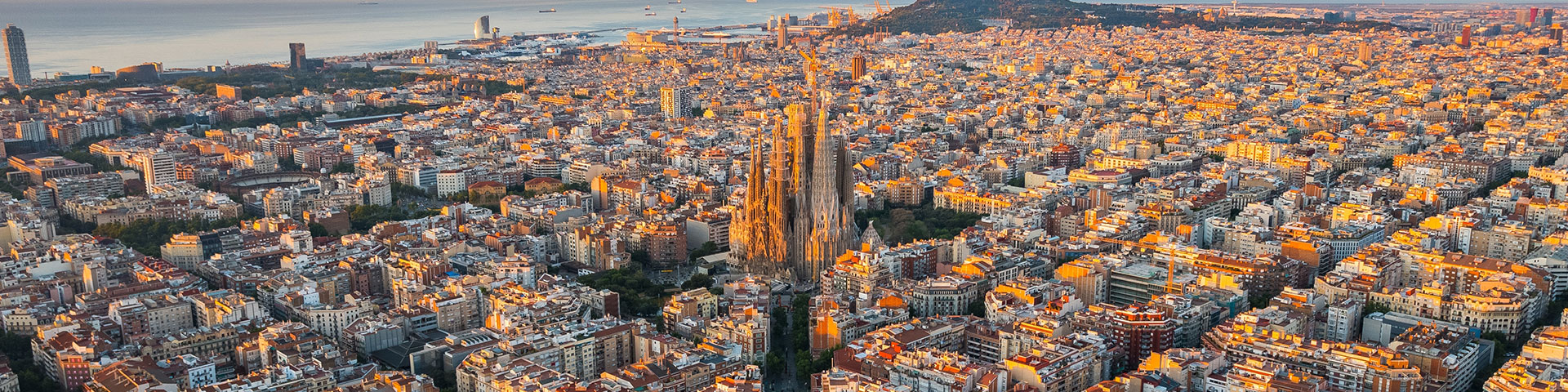
Modernist Barcelona: a journey through vibrant art, history, and architecture
The Catalan capital invites you to explore its Modernist heritage along art-filled routes
Barcelona lives and breathes Modernism at every corner. Its streets, palaces, and façades tell the story of a golden era when art and architecture came together to reshape the city. From the Sagrada Familia to the Casa Batlló, Modernist landmarks now form an essential part of Barcelona’s identity. Cultural routes, guided tours, and revitalized venues invite you to discover a city that continues to reinvent itself through beauty, history, and creativity. Exploring this Modernism offers a journey through the living history of the so-called Ciudad Condal, Barcelona’s historic name. This artistic movement, which emerged in the late 19th century and flourished in the early 20th, has left an unmistakable mark on the cityscape. Some of the most celebrated gems of this style can be found in the renowned Eixample district, featuring buildings that revolutionized both architecture and urban aesthetics. The Modernism Route offers an inclusive journey adapted to everyone—from passionate art lovers to families eager to experience a different side of the city. The route can start at Plaça de Catalunya and follow the Paseo de Gracia, home to several icons of Catalan Modernism: Antoni Gaudí’s Casa Batlló, Lluís Domènech i Montaner’s Casa Lleó Morera, and Josep Puig i Cadafalch’s Casa Amatller. Together, these three distinct visions of the same movement define the very essence of Barcelona’s Modernism.
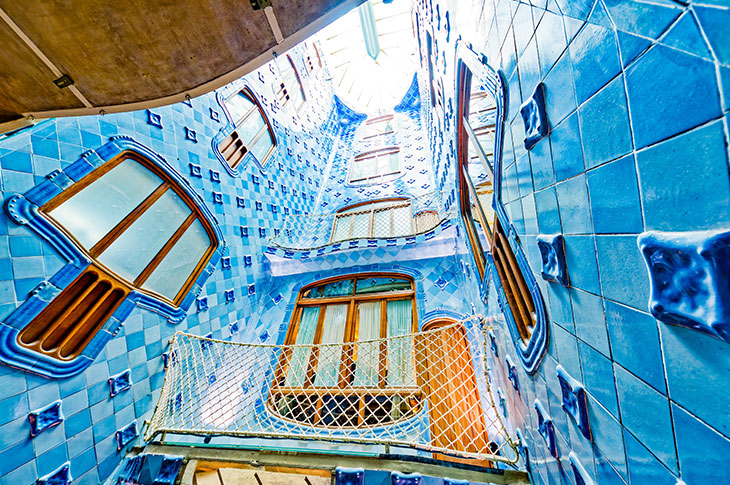
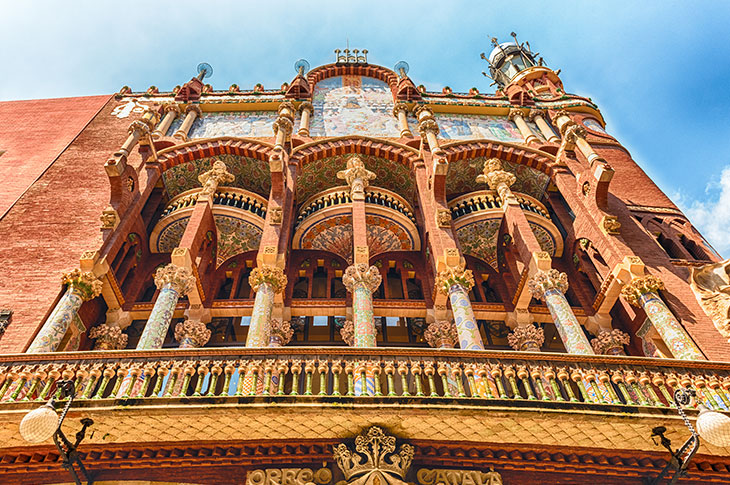
A little further up stands the Casa Milà, famously known as La Pedrera, renowned for its flowing façade and rooftop adorned with sculpted guardian figures. From there, the journey continues to the Sagrada Familia—without a doubt, Gaudí’s most ambitious work and the city’s iconic symbol. Though still unfinished, its soaring silhouette dominates the city skyline, embodying the harmony of faith, art, and nature. Beyond the Eixample district, Modernism reaches out across the entire city. The Palau de la Música Catalana, a UNESCO World Heritage Site, offers up a dazzling spectacle of light and color; meanwhile, another World Heritage Site, the Sant Pau Modernist Complex, provides a distinctive example of how art can be woven into everyday life. Both venues invite you to experience Modernist architecture from within, offering tours fusing culture with emotion.
For those looking to set off on a more comprehensive experience, Modernism can be explored by bike or on foot, with routes showcasing façades, artisan workshops, and historic cafés where artists of this era once gathered. Every building and mosaic tells a story of creativity and local pride. As a result, amid streets that retain the vibrant glow of another era, Barcelona continues to reveal fresh ways to admire its past. All you need to do is give yourself over to its colors, curves, and rhythm, and you’ll soon realize that, in this city, art never stands still. LocationBarcelona is situated in northeastern Spain, along the Mediterranean coast, within the region of Catalonia. It is served by the AP-7 and C-32 motorways and enjoys connections via the Josep Tarradellas Barcelona-El Prat Airport, the port of Barcelona, and Sants Station, the main hub for AVE high-speed and commuter trains. Additionally, the city offers an extensive metro, tram, and bus network, supported by tourist cards such as Hola Barcelona and Barcelona Card for transport and discounts.