
The culinary soul of the Balearic Islands: products that tell the story of the islands
A gastronomic journey through its star products and recipes
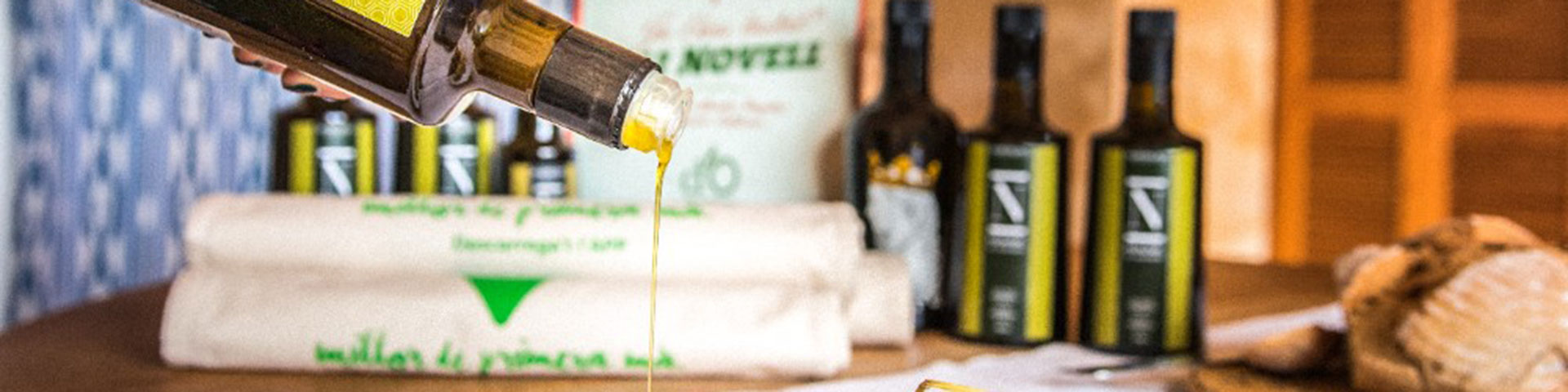
Spring transforms the Balearic Islands into a stage upon which gastronomic authenticity returns to the spotlight, thanks to local products celebrating origin, sustainability, and traditional craftsmanship. Unique ingredients born from the sea and land are transported directly to the table, crafting a culinary experience that reveals the archipelago’s deepest identity. Exploring Balearic gastronomy in spring means stepping inside a world where tradition and nature converse in every dish. In Mallorca, the landscape heralds the start of the season with its blossoming almond trees, a prelude to dishes that incorporate this essential nut in deeply rooted recipes such as the gató almond cake, usually accompanied by ice cream made with the same raw ingredient. The markets of Santa Maria del Camí, Sóller, and Palma de Mallorca offer the opportunity to discover these products at their very best, alongside cheeses, cured meats, and artisan breads. Mallorca also reveals an active culinary calendar with events such as the Mostra in Calvià, which brings together a number of restaurants to showcase local culinary diversity. Iconic recipes such as orange salad with olives and spring onions, or grass-fed lamb stews—highly valued in the municipalities of Pollença and Alcúdia—confirm the island’s seasonal richness.
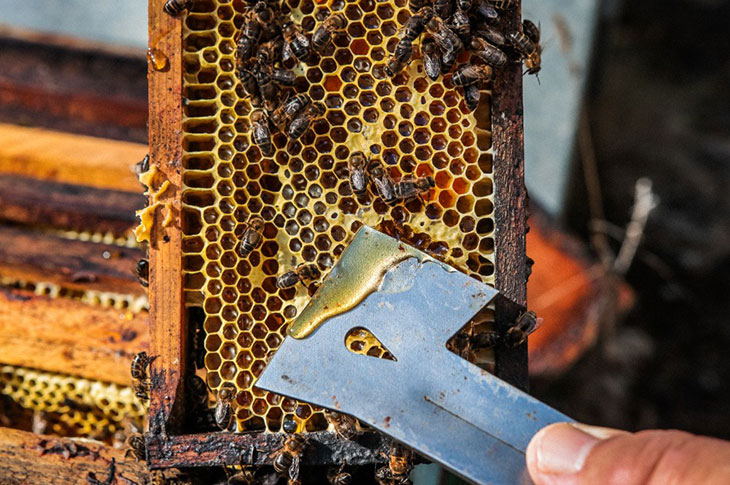
Menorca’s culinary calendar includes a highly anticipated milestone: the season of the spiny lobster, the main ingredient of its emblematic caldereta stew, reflecting the island’s seafaring spirit. Products from the land such as olive oil, vegetables, honey, or Mahón cheese round off an offering enjoyed at markets like those hosted in Ciutadella and Mahón. In Ibiza, the aromas of the countryside set the pace in the kitchens. Wild herbs such as rosemary and thyme are not only used in the kitchen, but also form part of the production of traditional Hierbas Ibicencas, a liqueur closely linked to the island’s identity. What’s more, the arrival of the first fresh cheeses heralds the season of flaó, a dessert made with cheese and spearmint that’s made a name for itself on the Sant Joan market. The sea continues to take center stage in places such as Santa Eulària or Sant Antoni, where the bullit de peix maintains its starring role. Formentera expresses its connection to the sea through preparations such as peix sec, frita de pulpo, or sofrit pagès—all dishes that can be found at the La Mola market alongside honey, farmhouse bread, and the island’s renowned salt. Each product reflects the balance between tradition, sustainability, and territory.
Location
The Balearic Islands are located in the western Mediterranean and make up one of Spain’s regions. Their main access points are the airports of Mallorca, Ibiza, and Menorca, along with the ports of Palma, Alcúdia, Ibiza, Mahón, and Formentera. Internal mobility, in turn, is organized through island roads.