
The Balearic Islands activate their cultural ecosystem to drive tourism
Art, museums, fairs, and festivals consolidate a distinctive narrative in the islands
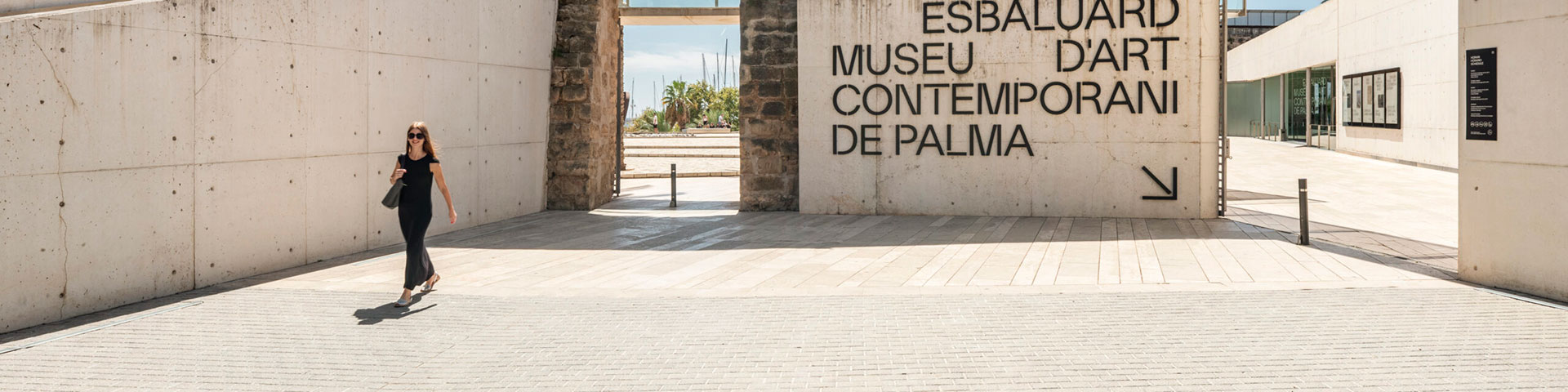
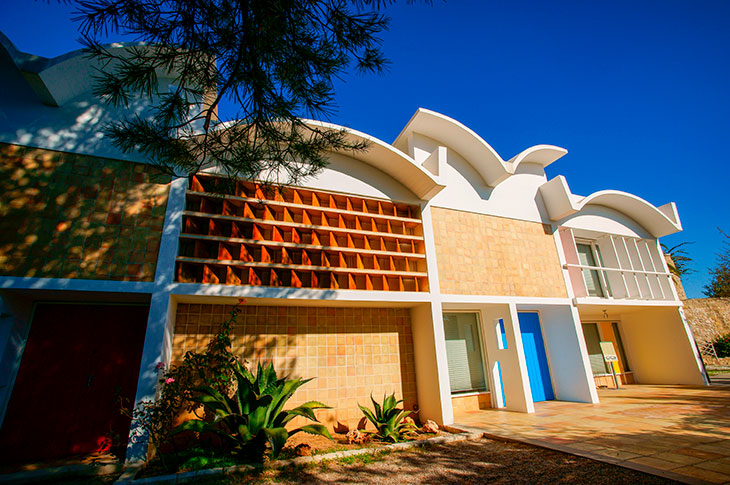
The Balearic Islands have reinforced a tourist proposal in which culture takes center stage as a differentiating element, travel inspiration, and a lever to extend the season. Museums integrated into heritage sites, contemporary creation centers, international fairs, festivals, and new urban projects shape an offering capable of bringing together art, Mediterranean identity, and island experience, endowing the archipelago with a stronger and more appealing narrative for visitors interested in meaningful content. Today, the archipelago has drawn up a more ambitious and cohesive cultural map, in which each island reveals a unique profile within a common strategy. It is not just about adding events and activities, but about articulating an ecosystem where heritage, the artistic scene, the local land, and the cultural agenda become tourism assets with real capacity to diversify demand and generate new reasons to travel. In Mallorca, Palma reinforces this positioning against a backdrop that combines legacy, modernity, and urban transformation. The Balearic capital has reaffirmed itself as a contemporary artistic epicenter thanks to an offering supported by a network of more than 15 museums and 30 galleries, in addition to a great variety of attractions in theaters and auditoriums. In this context, the Nit de l’Art transforms the urban fabric into an open-air museum every September, while spaces such as Es Baluard—integrated into the Renaissance walls—or the Fundació Pilar i Joan Miró in Mallorca, with its workshops and collection, form a first-rate cultural itinerary. On top of all this, you’ll find the reconstruction of the Torres del Temple and waterfront redefined thanks to the Palma Culture & Innovation Bay project, set to turn Nou Llevant into a hub of culture, technology, and innovation. Meanwhile, the GESA building will be rehabilitated as a Culture and Innovation Center, and the Llevant area’s redevelopment will incorporate green spaces and new cultural areas.
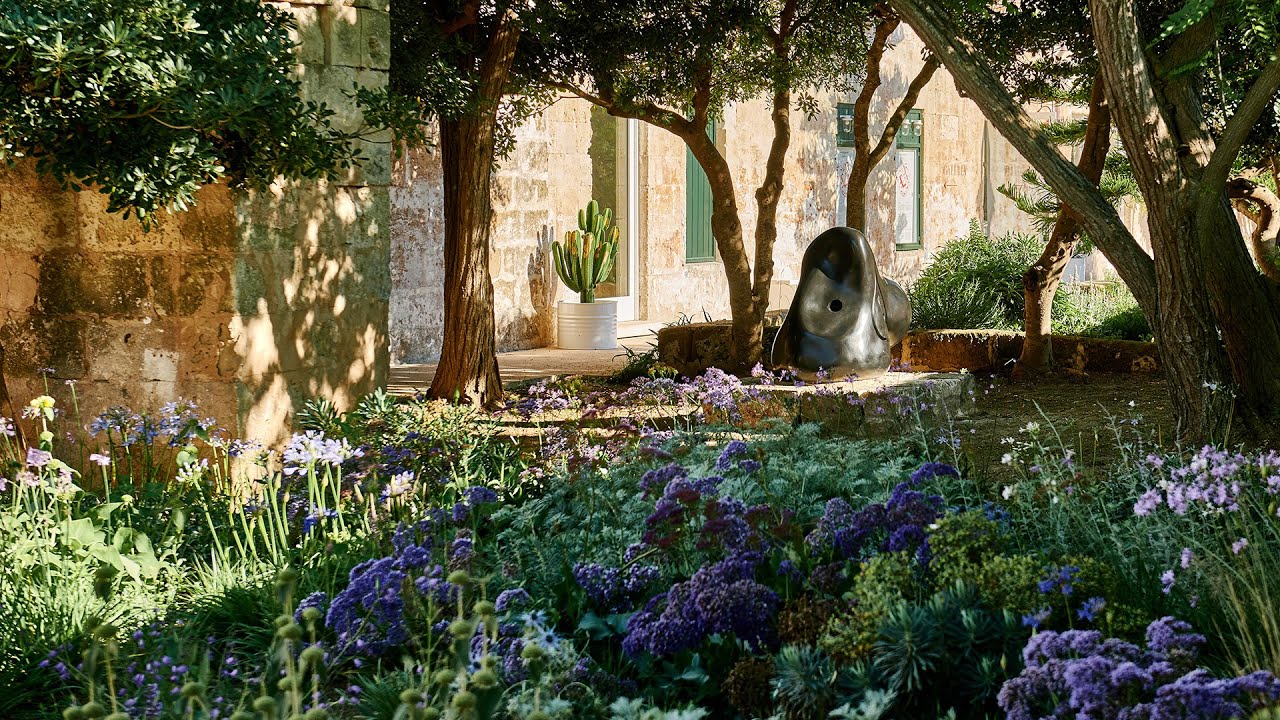
Ibiza showcases a dynamic cultural scene in which the avant-garde, tradition, and lifestyle coexist. The Eivissa Museum of Contemporary Art, located within the Dalt Vila heritage ensemble, allows visitors to understand the artistic evolution that has been linked to the island since the 1960s, while spaces such as Casa Broner and the Espacio Micus engage in dialogue with the legacy of international creators drawn in by its light and landscape. In terms of major events, CAN Art Fair Ibiza (from June 25 to 28, at FECOEV) has bolstered its role as a key date on the contemporary calendar, with a curated offering that brings together international galleries and local talent. Its expansion through the OFF program, together with initiatives such as CAN Design and public art interventions, extends the experience across the entire island, integrating art, architecture, landscape, and community. The result is a destination in which culture manifests itself in multiple layers—from galleries to public spaces—and where each visit leads travelers on a creative journey. Menorca, on the other hand, has strengthened its positioning with a cultural proposal deeply connected to the territory, the landscape, and contemporary reflection. The Museum of Menorca offers a broad interpretation of the island’s history, while Hauser & Wirth Menorca, located on Illa del Rei, consolidates its international reputation with a 2026 program that will include the group exhibition Directionless starting June 21, alongside educational and community initiatives. This balance between global art and local roots is expanded with a year-round agenda: the Cranc Illa de Menorca Festival (from September 17 to 19) adds a contemporary musical dimension with a focus on sustainability and inclusion, while the Menorca Doc Fest (from October 20 to November 10) introduces documentary language as a tool for social and cultural analysis. All this is complemented by a network of events that transform the island into an environment where culture can be experienced in a relaxed way, integrated into the landscape and connected with the community.
Finally, Formentera’s cultural offering is closely tied to its landscape, light, and creative tradition, which has attracted artists and craftspeople from around the world since the 1960s, weaving a cosmopolitan fabric that is particularly fertile in art, design, and crafts. Spaces such as the Sala d’Exposicions de l’Ajuntament Vell, with its year-round programming; the Antoni Tur “Gabrielet” Center; and the Faro de la Mola structure this proposal, alongside the Ethnographic Collection. Beyond this, visitors can enjoy artisan markets, music series, and events like the Formentera Jazz Festival, which reinforce an authentic, intimate cultural experience that is fully integrated into the local land. As a result, the Balearic Islands have consolidated a model in which culture and art act as a tourism driver, brand narrative, and a connecting element between the visitor and the territory, ensuring an experience that transcends seasonality and redefines travel in the Mediterranean.
Location
The Balearic archipelago is located in the Mediterranean Sea, east of the Iberian Peninsula, and forms part of Spain. Its main air access is provided through the airports of Palma de Mallorca, Ibiza, and Menorca. It also enjoys regular maritime connections with peninsular ports such as Barcelona, Valencia, and Dénia.