
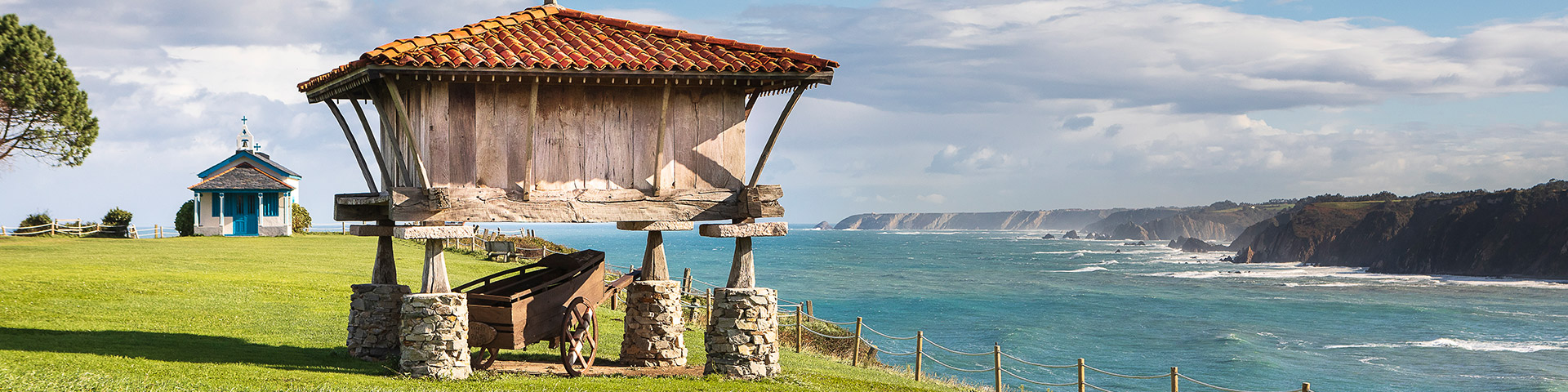
Slow travel discovers its fullest, natural expression in Asturias
This region enchants the most peaceful travelers with mountains, pristine beaches, and villages that inspire real calm
Nestled among beautiful mountain ranges that make their way down to the Cantabrian Sea and villages where life flows quietly, Asturias has emerged as an exceptional destination for those looking to travel the world at a gentle pace, avoiding the rush of conventional tourism. Its combination of green landscapes, peaceful villages, and deeply rooted culture makes the Principality the ideal setting for slow travel, an approach that prioritizes sustainability, authenticity, and connection with the environment. This type of tourism encourages travelers to reduce their travel and focus on a deeper experience of the destination. Instead of accumulating points on a map, it’s about spending more time in fewer places, listening to the surroundings, walking more, and participating in daily life. This way of traveling generates less stress, encourages a real disconnection from everyday life, and allows tourists to return home with a sense of rest and belonging, not exhaustion. The Asturian landscape naturally aligns with this philosophy, thanks to a geographical diversity that facilitates extended stays in contact with nature. In Peñamellera Alta and Baja, the trails of the Cuera mountain range and calm descents along the Cares River perfectly pair with visits to villages set up by aristocrats returning from Latin America and some artisanal-cheese dairies. In Valdés, almost pristine beaches and viewpoints such as Regalina or Cabo Busto are the perfect place to stop and reflect. And in Ponga, routes through beech forests such as Peloño and the climb to the summit of Tiatordos reveal some majestic landscapes.
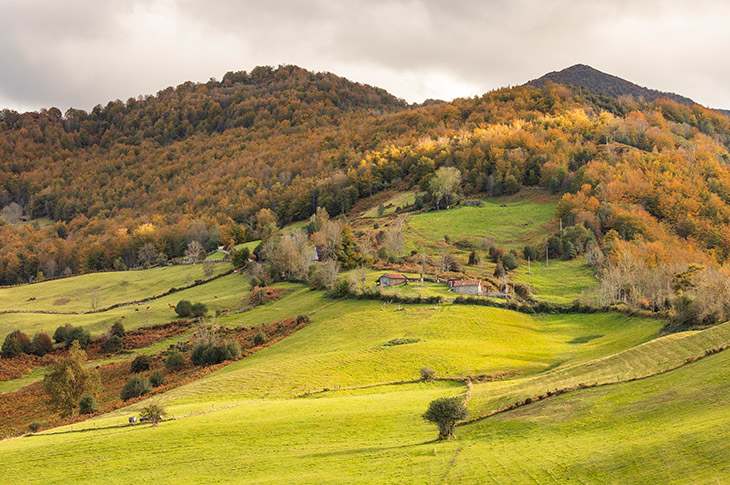
The slow traveler also seeks out a respectful connection with the human environment. In places like Los Oscos or Aller, traditional craft workshops, rural accommodation, waterfalls, forests, and local producers’ markets offer visitors the chance to step inside the region’s daily life. Though tourism in Asturias has seasonal peaks, slow travel best aligns with the low season. Between October and May, even highly visited areas like Llanes, Cudillero, or Cangas de Onís rediscover their calm, offering visitors a more authentic experience. Far from the hustle and bustle, here, travelers can enjoy trails, gastronomy, and local encounters.