
The art of slow travel: rural tourism in Asturias
Villages, nature, and culture define a destination experienced without haste
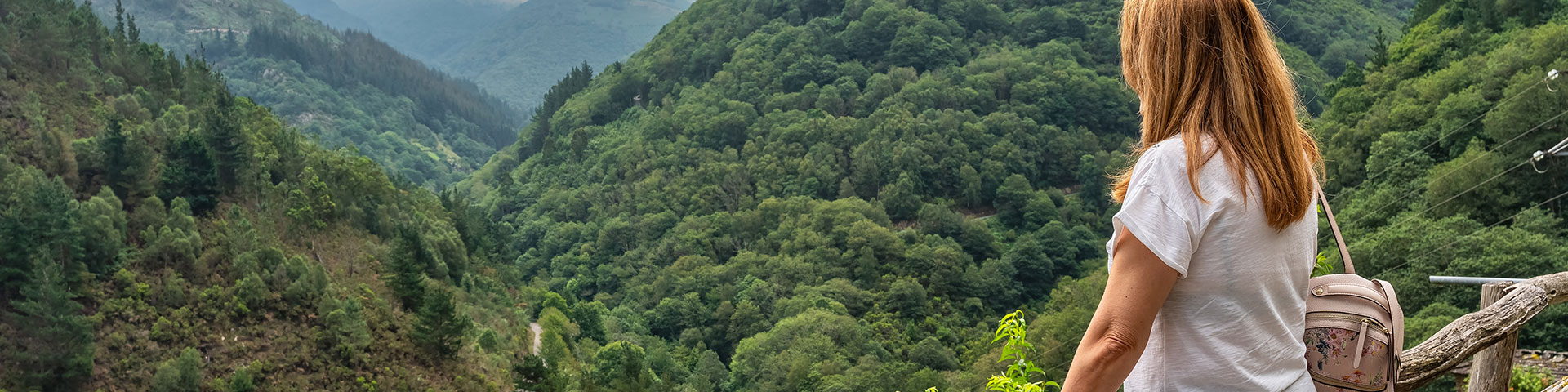
Asturias offers a profound and emotional rural experience, where nature, villages, and ways of life intertwine in a well-preserved identity. Among mountains, valleys, coastlines, and villages full of history, rural tourism becomes an invitation to observe, walk, and interact, discovering a territory that reveals itself without artifice. A destination to travel slowly, listen to the landscape, and feel part of it. Rural tourism in Asturias is a way of viewing and inhabiting the land. It does not recall a single image, but rather a mosaic of landscapes, villages, and traditions that unfold from the West to the East, passing through a central area where sea, mountains, and history coexist naturally. Each area brings its own nuances, but all share the same essence: authenticity. In western Asturias, the traveler discovers lands of slate, cattle pastures, deep forests, and towns where traditional crafts remain alive. Taramundi and Los Oscos represent the origins of rural tourism in Asturias, with forges, mills, fulling mills, and crafts integrated into everyday life. Traditional architecture – granaries, corn cribs, and stone houses – dialogues with a landscape that invites unhurried exploration. The central area offers a different perspective on rural life. Here, mining history and industrial heritage blend into green valleys, river routes, and towns with vibrant cultural life. Museums, old mines, and eco-museums help to understand the relationship between people and the land, while religious pilgrimages, prao festivals (traditional outdoor celebrations in meadows or rural areas), and popular festivities keep the calendar alive. It is a space where tradition and memory form part of the traveler’s experience. Towards the East, the landscape opens up to the sea and the mountains simultaneously. Cliffs, beaches, inland valleys, and the famous Picos de Europa create a landscape of great diversity. Llanes, Ribadesella, and Cangas de Onís offer historical paths, shepherding, cheesemaking, and accessible nature. Viewpoints, routes, and trails make it possible to experience Asturias from multiple perspectives.
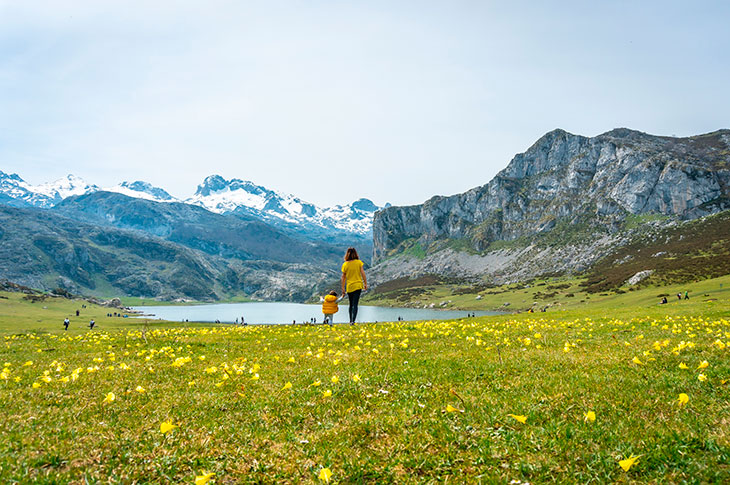
Rural accommodation forms an essential part of the journey. Country houses, apartments, and small hotels blend into the surroundings and offer visitors various ways to experience their stay: views of a valley, the sound of a river, meadows, or the silence of the mountains. Hospitality, functional decoration, and a warm approach reinforce the feeling of welcome. Gastronomy accompanies the journey as an intrinsic expression of the area. Cider, cheeses, garden produce, and traditional recipes are shared in bars, espichas (traditional social gatherings), and communal tables where conversation flows naturally. Eating in rural Asturias involves participating in a living culture. Rural tourism in Asturias extends far beyond just one visit. It is a destination that invites you to return to continue discovering the area from new perspectives. Location Asturias is located in northern Spain, bordered to the north by the Cantabrian Sea and by Galicia, Castile and León, and Cantabria. It is accessed via the A–8 and A–66 highways, an airport in Asturias (Oviedo–Avilés), ports in Gijón and Avilés, and a railway network with national connections.