
Astrotourism in the Balearic Islands: an experience connecting land and cosmos
Each island reveals some unparalleled settings to experience the breathtaking beauty of the night sky
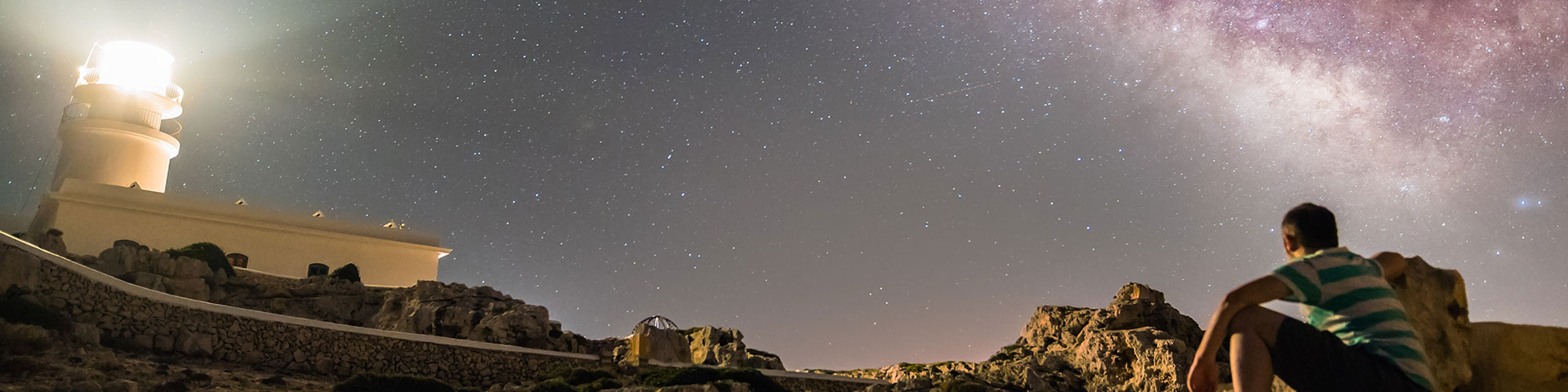
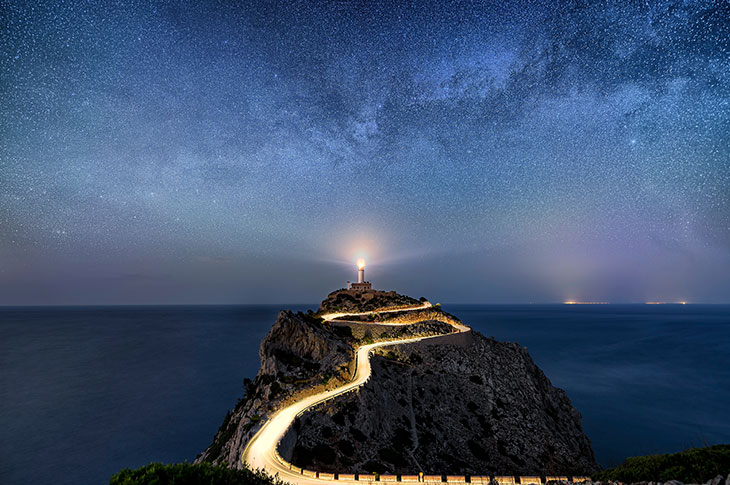
The Balearic Islands are establishing themselves as a premier destination for astrotourism, a flourishing experience that blends stargazing with activities connected to culture, nature, and well-being. The purity of its atmosphere, minimal light pollution, and dedication to conservation have positioned the archipelago as real leader in Europe, offering travelers the opportunity to discover stars and constellations in settings that radiate beauty and authenticity. Visiting the alearic Islands is about far more than just sun and beaches. As night falls, the archipelago reveals one of its most inspiring sides: a vibrant, crystal-clear sky teeming with subtle hues and wonders. Each island unveils its own perfect stargazing havens, transforming the experience into a unique tourist attraction that meets the rising demand from travelers in pursuit of sustainability, authenticity, and a deep connection with nature. Menorca, declared a UNESCO Biosphere Reserve in 1993, combines exceptional sky quality with a rich archaeological heritage that enhances its connection to astronomy. At Talaiotic sites such as Talatí de Dalt, prehistoric remains evoke humanity’s ancient ties to the cosmos. This experience is enriched by offerings such as night tours through Cavalleria and stargazing from the Sa Posta de Sol Viewpoint, where expert guides help you identify constellations. In Mallorca, the largest of the islands, the Cúber and Gorg Blau reservoirs, nestled in the heart of the Sierra de Tramontana mountains, have become key destinations for astronomy enthusiasts. Thanks to their distance from urban hubs, they enjoy a pristine and majestic night sky. The coastline also presents a series of unique settings, such as Cala Coll Baix and the Formentor peninsula, where the absence of artificial light creates a perfect environment for stargazing.
In Ibiza, the mystique of Es Vedrà perfectly intertwines with the magic of the starry sky. This islet becomes the main attraction unforgettable nights filled with symbolism. For those seeking a more educational experience, the recently upgraded Puig des Molins Astronomical Observatory offer the opportunity to observe planets and uncover the sun’s secrets through its specialized telescopes. Formentera, meanwhile, has been awarded the Starlight Tourist Destination distinction, in recognition of the exceptional quality of its skies and its commitment to preserving natural darkness. From the La Mola Viewpoint, you can clearly admire various constellations—though perhaps the greatest privilege here is the feeling of being enveloped by the vastness of the night sky from the water, at spots like Cala Saona, where the horizon blends seamlessly into the Milky Way. Astrotourism in the Balearic Islands is not just an invitation to gaze at the stars, but an opportunity to experience the destination from a different viewpoint: one that is tranquil, intimate, and inspiring. This offering reinforces the archipelago’s status as a global leader in sustainable and experiential tourism. Location The Balearic archipelago lies in the western Mediterranean Sea, to the east of the Iberian Peninsula. It is made up of the islands of Mallorca, Menorca, Ibiza, and Formentera. It is mainly accessed by air via the airports in Palma, Ibiza, and Mahón; and by sea through island ports connected to the mainland.