
Art in Mallorca: the island discovered through craftsmanship
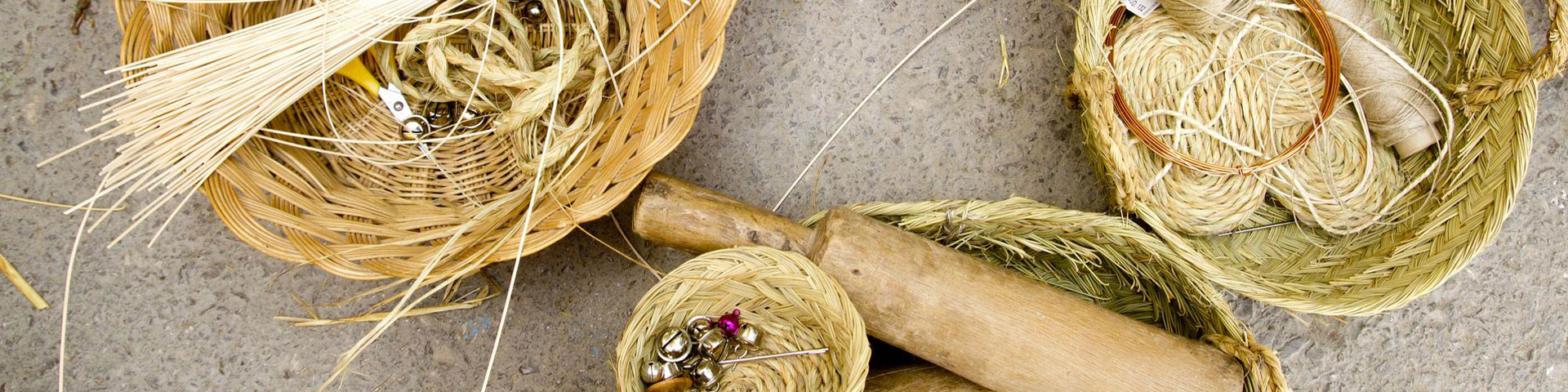
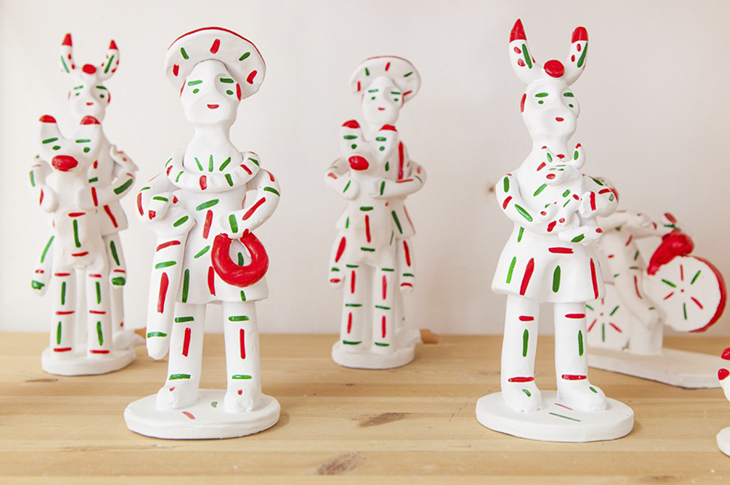
In Mallorca, art is expressed in the material, in the hands that work it, and in the crafts that have shaped the island's daily life through different generations. Clay, plant fibers, lengua fabrics, leather, and footwear shape a cultural interpretation of the area in which craftsmanship is not presented as a relic of the past but as a living experience that can connect heritage, contemporary creativity, and Mediterranean travel. Far from being confined to exhibition spaces, Mallorcan craftsmanship can be seen in villages, workshops, and routes that allow visitors to understand the island from within. Each technique reveals a relationship with its environment: the available resources, the utility of the objects, the value of time, and the continuity of knowledge passed down through generations. Thus, the visitor approaches a culture that is not only observed but also touched, explored, and recognized in precise gestures. In the northeast of the island, the towns of Artá and Capdepera preserve the tradition of llata, the artisanal braiding of palmito leaves. Baskets, woven bags, and hats originate from a technique historically linked to the rural world and the ability to create useful objects from the area’s resources. More than just a finished piece, llata represents collective knowledge that remains relevant today. In Marratxí, clay holds a central place in the island’s artisanal identity. Ceramics are part of domestic life and popular culture, with pieces as recognizable as the siurells, clay figures painted white, red, and green that serve as whistles. The Clay Route invites you to delve into this material world and discover a craft that turns earth into objects rich in memory.
Pollensa and Sóller offer one of Mallorca’s most emblematic textile expressions: the lengua fabrics. Their wavy shape and bright colors, crafted through the ikat technique, connect design, functionality, and heritage. In the town of Inca, leather is another essential tradition, linked to shoes, bags, and items that retain the imprint of a craft culture adapted to the present. This creative map finds continuity in Moda Artesana de Mallorca, a brand promoted by the regional government of Mallorca to protect, promote, and enhance the visibility of the island’s artisanal fashion. The initiative highlights traditional techniques, modern design, and local production, turning manual knowledge into a distinct way to explore the island that is mindful of detail, the origin of pieces, and the bond between craftsmanship and the local area. Art in Mallorca ultimately means discovering an island built through the act of creation. Beyond its landscapes, the destination reveals a Mediterranean identity woven with clay, fibers, textiles, and leather: a material culture that transforms every journey into an experience of authenticity, creativity, and living memory.
Location
Mallorca, the largest of the Balearic Islands, is located in the western Mediterranean, east of the Peninsula. Its main access is Palma de Mallorca Airport; by sea, the ports located in Palma and Alcúdia connect to Barcelona, Valencia, Dénia, and other islands. Internal mobility combines road network and train from Palma.