
Aragon, a destination best discovered through flavour
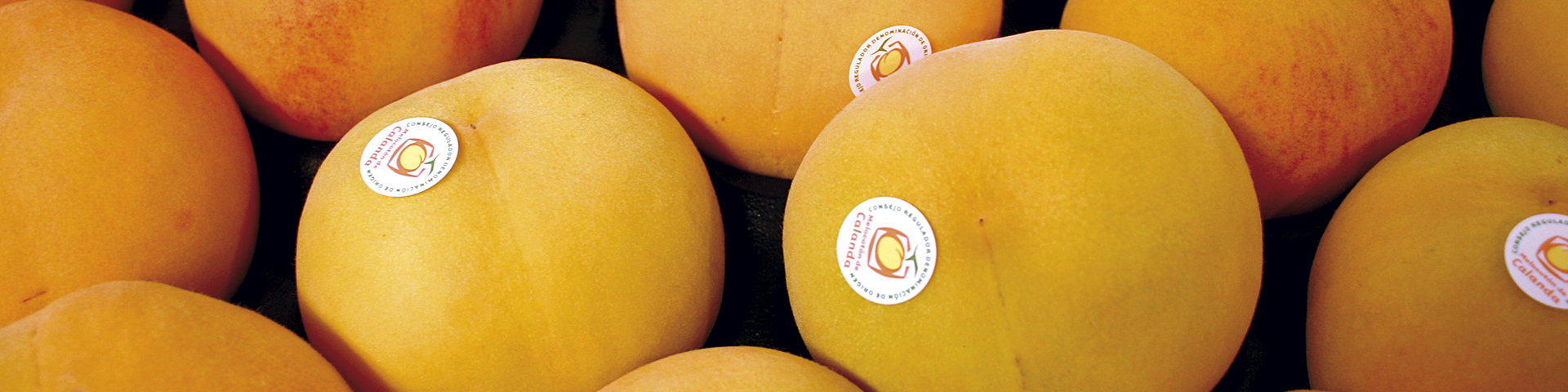
Aragón serves, with its cuisine, a way to cross the territory from north to south. From the Pyrenees to Matarraña, each landscape adds flavours, products and traditions that reflect the identity of its regions. Designations of origin such as the Calanda Peach, the Jamón de Teruel or the Fuentes de Ebro Onion serve as starting points for routes that familiarize travellers with to local wineries, villages and cuisines. The Despensa Aragonesa functions as a complete map of the territory. Fruits, cereals, vegetables, legumes, truffles, mushrooms, nuts, saffron, meats, eggs, sweets and cheeses are part of an offer in which origin and landscape are closely intertwined. This is complemented by an artisanal tradition that preserves the production techniques linked to cheeses, sausages, pastries and preserves, in addition to organic production and foods protected under various quality labels. Among the names that best express this identity are the protected designations of origin Jamón de Teruel, Fuentes de Ebro Onion, the oils of Bajo Aragón and Sierra del Moncayo, the Calanda Peach and the protected geographical indication Ternasco de Aragón. The C’Alial brand expands this repertoire with typical products such as borage, longaniza sausage, Almudévar braid, cheeses, honey, fruits of Aragón, marzipan, black nougat or guirlache nougat, composing a pantry that takes the traveller from everyday flavours to preparations closely linked to each area.
The wine adds yet another layer to the journey. Cariñena, Campo de Borja, Somontano and Calatayud outline four wine-producing territories with distinct profiles, on top of which are the supra-regional DOP Cava and the single estate wines Aylés and Urbezo. Grenache occupies another prominent place in the landscape, with traditional varieties such as cariñena, tempranillo or moristel, turning visits to wineries and vineyards into a way to interpret the territory through a glass of red or white. This bond between product and landscape naturally extends into culinary routes. The offer traverses Aragón through itineraries such as Aragón Through the Five Senses, Walks Through the Somontano of Moncayo, El Campo de Borja, The Natural Environment Surrounding Calatayud, Suggestive Tena Valley, Gúdar-Javalambre, La Hoya de Huesca or Valle del Aragón. Other itineraries link gastronomy with castles, history, snow and other ways to discover the territory while maintaining the connection between the table and its environment.

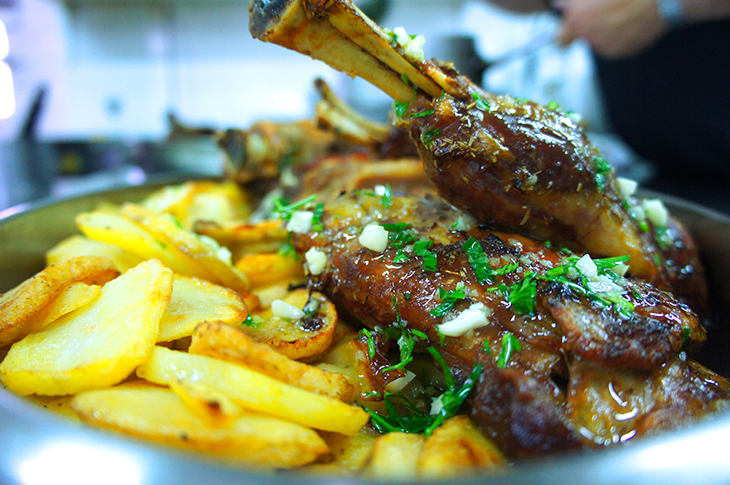
In the south, Bajo Aragón, Matarraña and Maestrazgo invite travellers to associate the journey with oils, pork products, ham, lamb, cheeses, sweets and traditional cuisine. In Calatayud, wine shares prominence with ternasco lamb and heritage; in Campo de Borja, the wine culture becomes one of the major guiding threads; while in the Pyrenees area, valleys such as Tena or Aragón combine mountains, villages and gastronomy to create an experience where eating is not just an isolated activity, but part of the journey itself. The cities round out this culinary panorama from a different perspective. Tapas and dining establishments offer a way to discover Aragonese products through more informal formats, while pastry-making showcases specialities such as the Almudévar braid, guirlache nougat, Russian cake or Aragón fruits. These flavours also serve as mementos of the trip and, beyond the dining table, extend the connection with the places where they were born. Gourmet craftsmanship provides an additional avenue via which to approach this diversity. Cheeses, cold cuts, sweets and preserves made using traditional techniques coexist with organic productions and brands that certify their quality and, in certain cases, their origin. On this more intimate scale, the culinary experience revolves around the specific product: tasting it, recognizing its origin and relating it to the landscape from which it hails turns each stop into an edible interpretation of Aragón. Location Aragón is located in the northeast of Spain, bordering France and six Spanish autonomous communities . Its main access by air is Zaragoza Airport. Zaragoza–Delicias train station connects by high-speed rail with Madrid and Barcelona.