
Aragon, a certified territory: a journey through its protected flavors
Climate, soil, and tradition define a pantry with a personality of its own
Exploring Aragon through its gastronomy means stepping inside a map where each region expresses its character through local products. The Protected Designations of Origin (PDO) and the Protected Geographical Indications (PGI) certify their quality and act as a compass for travelers interested in understanding how climate, soil, and tradition shape a solid and recognizable culinary identity. In the upper regions of Teruel, cold and dry air creates the ideal environment for curing Jamón de Teruel and Paleta de Teruel. The combination of pigs born and raised in this province, primarily fed on cereals, together with a slow maturation process, results in cuts with a shiny appearance, marbled fat, and a balanced, mildly salty flavor. Visiting these lands allows visitors to appreciate the direct relationship between altitude, climate, and gastronomic tradition. The olive-growing landscape of Lower Aragon offers another sensory experience. The Aceite del Bajo Aragón (PDO) oil, obtained mainly from the Empeltre, Arbequina, and Royal varieties, is renowned for its clarity and color range, which spans from golden yellow to old gold. On the palate, it presents a fruity profile with almond notes, moderate sweetness, and a slight spiciness. Further northwest, sheltered by the spectacular Moncayo, the Aceite Sierra del Moncayo (PDO) incorporates varieties such as Negral and Verdial to offer balanced oils with a fruitiness that combines mature and green notes. Both denominations invite you to stroll through the olive groves, oil mills, and agricultural landscapes that lie between the Ebro valley and the mountainous areas.
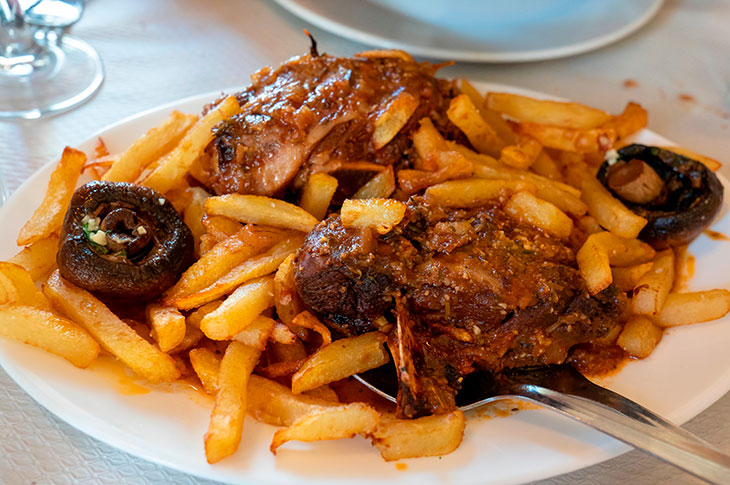
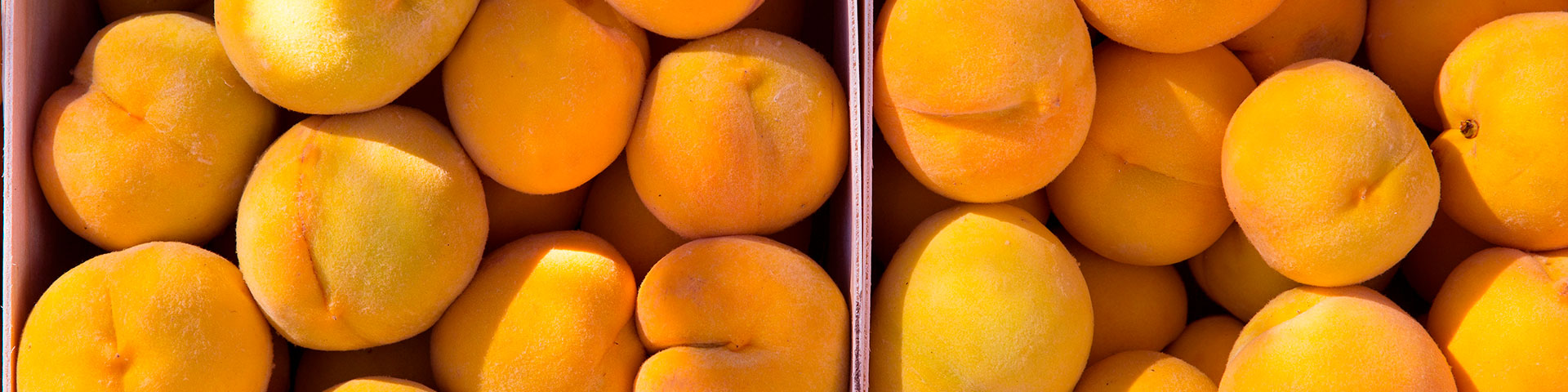
Between the provinces of Teruel and Zaragoza, the Melocotón de Calanda (PDO) peach emerges as a symbol of thoughtful agriculture. Its uniform color, between creamy yellow and straw, its firmness, and its high sugar content make it a fruit of impeccable appearance and unique flavor. On the Zaragozan banks of the Ebro, the Fuentes de Ebro (PDO) onion stands out for its mildness, slight spiciness, and the absence of any persistent aftertaste. Its globular shape and characteristic straw-white color are associated with a landscape steeped in agricultural tradition. This itinerary continues with the Ternasco de Aragón (PGI), one of the most representative livestock products of the Aragon region It comes from lambs fed on their mother’s milk from birth, supplemented with white straw and authorized concentrates, with a minimum lactation period and a controlled weight. Traditionally roasted with potatoes, it is one of the most emblematic dishes of Aragonese cuisine. Within the wider region, the Espárrago de Navarra (PGI) asparagus, also cultivated in bordering areas of Aragon, extends the regional gastronomic experience. This product from the Ebro valley is distinguished by its white color, low fibrosity, and a characteristic balance between smoothness and slight bitterness. In short, each protected quality seal offers up an invitation to explore Aragon through its productive landscapes. A journey in which the territory is not only seen, but also savored.
Location
Aragon is located in the northeast of Spain and borders France to the north. It is composed of the provinces of Huesca, Zaragoza and Teruel. Its main road accesses are the A–2 between Madrid and Barcelona, the A–23 (Sagunto–Somport) and the A–68. It enjoys transport connections via Zaragoza Airport and train stations connected to the Madrid–Barcelona high-speed rail network.