

Valencian agrotourism: flavors, trades and landscapes
Fairs, museums and agricultural trails showcase the rich productive diversity of Valencia
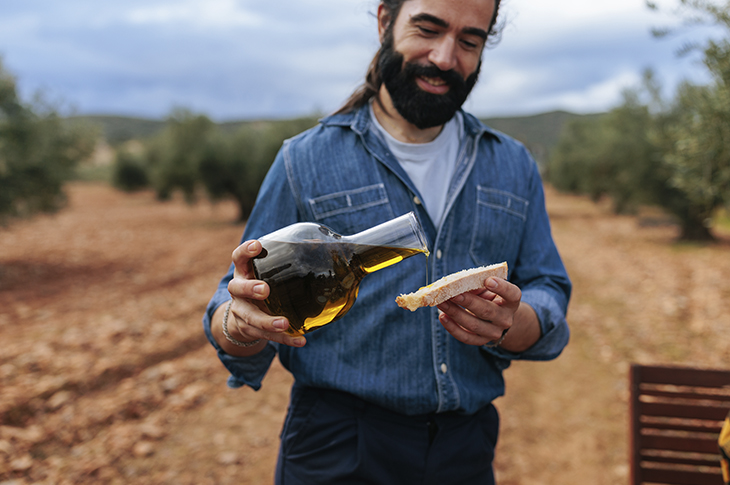
The agrotourism map of the Region of Valencia invites visitors to explore olive oil mills, wineries, orchards, beehives, rice fields, cheesemaking facilities and fishing ports. Through visits, tastings, workshops and guided routes, visitors can gain insight into the value of the diverse agricultural production that transforms the flavors of land and sea into intimate, sensory experiences. These experiences are deeply connected to the region’s identity, ancestral knowledge, productive landscapes and traditional trade that thrive in daily life. Agrotourism offers a fresh perspective on the region, through the eyes of producers, rural communities and craftspeople who have shaped the bonds between people, farming, fishing and livestock. Its charm lies not only in admiring the landscape but in understanding how the food that reaches the table table is cultivated, harvested, crafted and transformed. The Valencian offer brings together eleven unique ways to savor the region —from oleotourism (olive oil tourism) and enotourism (wine tourism) to apitourism (bee tourism), citrus fruits, cheeses, truffles and mushrooms, rice, tiger nuts, craft beers, fishing tourism and other local crops. Each experience offers a closer look at production methods, farms and artisanal products through guided tours, excursions, tastings and even accommodation options connected to the surrounding agricultural environment. Among ancient olive groves and oil mills, extra virgin olive oil is the central thread weaving together seasonal routes, specialized museums and traditional activities. In the wineries, the vine culture is complemented by tastings, paired menus and overnight stays amidst vineyards, with diverse offerings across the provinces of Alicante, Valencia and Castellón, with the Utiel-Requena region featuring prominently. Craft beer and distilling culture add another dimension to this flavorful journey, with breweries, stills and immersive experiences detailing their production processes.
The orchard landscape adds a distinctly recognizable dimension to the experience. In Tabernes Blanques, Alboraya and Almácera, tiger nuts complete their journey into artisanal horchata, while citrus orchards invite visitors to explore groves, discover various varieties of mandarins, oranges and lemons, and join tastings that celebrate Valencian citrus traditions. Among the rice fields of La Albufera near towns like Alfafar, Cullera and Sueca, rice inspires boat rides, days spent in traditional Valencian barracas and hands-on cooking experiences featuring regional specialties. The most engaging experiences arise from activities where travelers actively immerse themselves in the craft. Apitourism offers an insight into the world of bees, visiting hives, joining workshops and savoring a variety of honeys. Truffle and mushroom foraging leads to destinations like Puebla de Benifasar, Morella and Vistabella del Maestrazgo, where visitors can join guided searches with specially trained dogs. Meanwhile, fishing tourism reveals the inner workings of ports, artisanal fishing practices and the marine landscape, featuring birdwatching excursions and tastings at restaurants linked to the experience. Festivals and heritage enrich the travel experience with even more possibilities. Ayora hosts the First Honey Harvest Fair; Montanejos showcases artisanal cheeses in demonstrations and workshops; and Caudiel celebrates its most popular festival in honor of the cherry. This network also includes sites such as the Bodega Redonda, the Region of Valencia’s Wine and Vine Museum; the Almácera Orchard Museum; the Josep Ferrís March Southern Orchard Regional Museum in Torrent; the oil museums of Montesa and Segorbe; and the Bicorp Ecomuseum. The productive landscapes tell their own captivating stories. The Sierra de Espadán reveals cork landscapes set among lush holm oak forests, while the Route of the Riuraus preserves historic structures that relate to the drying of muscatel grapes. Its routes also link towns such as Benisa, Vergel, Parcent, Jávea and Rótova, offering opportunities to explore this rural heritage on foot, by bike or by car. Agrotourism invites visitors to discover the Region of Valencia through its products, landscapes and trade, offering experiences that connect travelers with its authentic rural and maritime spirit.
Location
The Region of Valencia is situated in eastern Spain, bordering the Mediterranean Sea. The region’s main roadways are the AP–7, A–7 and A–3 highways. It has airports in Valencia, Alicante–Elche Miguel Hernández and Castellón; maritime ports in Valencia, Alicante and Dénia; as well as high-speed and long-distance train connections.