
Barrier-free travel through the Region of Valencia
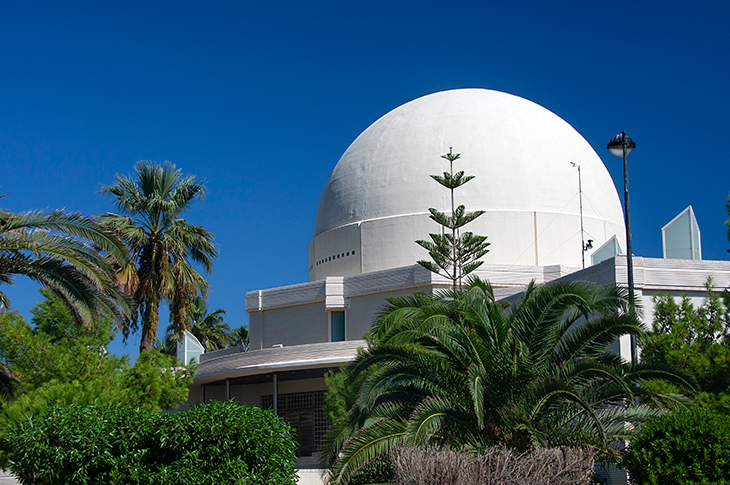
The Region of Valencia has strengthened its accessible tourism offer thanks to a network of beaches, museums, green spaces and cultural routes for all. Science and nature are the stars of adapted experiences in Valencia and Castellón, while the heritage and coastline of Alicante offer personalized itineraries for people with different needs. To explore the territory in an independent, comfortable and inclusive manner, the offers are complemented by mobility resources and targeted services. The 2026 edition of the guide “The Region of Valencia, for you too” compiles routes that turn the concept into an experience: observing the sky, discovering traditional crafts, visiting museums, cycling along the Mediterranean Sea, exploring a cave by boat or familiarizing oneself with natural landscapes through itineraries prepared for diverse needs. Castellón unites some of the most diverse examples. In Vinaroz, the Langostino: from sea to market route connects the Casa Membrillera, the market and the fish auction. The first has an entrance ramp, accessible bathrooms and a lift; the market features accessible bathrooms and public parking with reserved spaces, while the fish auction also has reserved parking. Further south, the planetarium in Castellón de la Plana and the Astronomical Observatory of Culla offer an astrotourism proposal with accessible tickets and itineraries. Els Estanys, in Almenara, features a circuit around the main reservoir with birdwatching observatories, a recreational area and a specific itinerary for blind people.
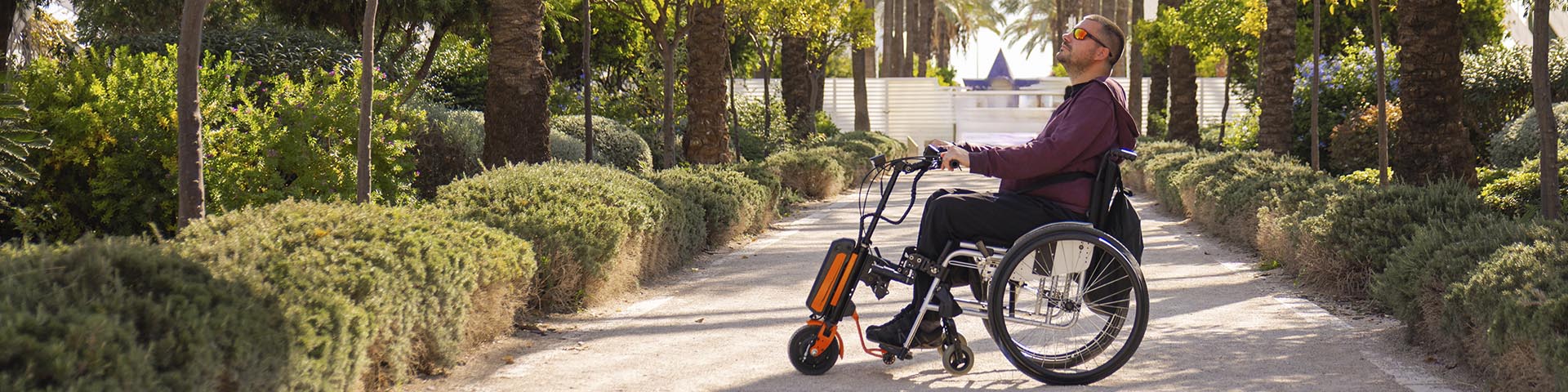
Nature can also be experienced through movement. The Castellón by bike route connects Oropesa del Mar, Benicasim and Grao de Castellón along the Greenway of the Sea and various cycle paths, with options for handbikes, wheelchairs and adapted bicycles. In Vall de Uxó, the San José Caves allow visitors to cross 800 metres in an adapted boat before continuing on to the archaeological site of the Poblado de San José. Valencia extends this inclusive approach to the urban space. The Cabecera Park offers numerous points of access via practical ramps featuring variable inclinations and a uniform, non-slip surface, while several theatres throughout the city schedule performances interpreted in sign language and have special entrances. The Scientific Valencia route links the Science Museum, L’Hemisfèric and the Natural Science Museum, transforming workshops, screenings and scientific outreach into a day focused on participation, experimentation and learning.

Outside the urban centre, the Albufera expands the catalogue with a route between the Gola de Pujol Viewpoint, El Palmar and the Rice Museum. In El Palmar, visitors have the possibility to take a ride on an adapted boat and get close to the canals and rice fields, while the museum recreates the operations of an old mill and also has a lift. Alicante unites sea, heritage and trails. The Costa Blanca has about fifty beaches equipped for people with disabilities, with resources such as ramps, floating chairs and other aids, as well as four greenways that have been prepared to be travelled by wheelchair: Alcoy, Maigmó, Torrevieja and Xixarra 2. The route Alicante: a journey of 2,000 years connects the MARQ, Vilamuseu and the Roman Villa of Albir, while the Albir Lighthouse Route offers a five-kilometre walk through Mediterranean landscapes, history and a visitor centre with reserved parking spaces, adapted picnic tables at the start of the trail and accessible bathrooms. The offer extends to accommodations, restaurants and cultural spaces with adapted structures, reinforcing an experience that aims to reduce barriers throughout the entire journey. Location The Region of Valencia is located in the east of Spain by the Mediterranean Sea. Its main road accesses are the A–7/AP–7, A–3, A–31 and A–23. Its airports include Valencia, Alicante–Elche Miguel Hernández and Castellón, in addition to high-speed rail connections and passenger ports in Valencia and Alicante, as well as cruise ship stops in the city of Castellón.